I've been running treks for more than three years. Solo trekkers have always come through—Manaslu, Annapurna, Everest. Never needed permission. Never needed a guide legally. They came solo, they trekked solo, they left solo.
Upper Mustang was different. Completely locked down. Restricted area. Government mandate: every single person in that zone had to be on an agency permit with a licensed guide. No exceptions. Solo travel was prohibited.
March 2026 changed that one rule.
Now you can trek Upper Mustang solo—if you hire a guide. Read More on solo travel to Mustang.
That sounds like a contradiction. It's not. And once you understand what actually shifted, everything changes about how you think about solo trekking in Nepal.
The Story That Changed How I Think About Solo Trekking in Nepal
A few years back, a woman came to me wanting to trek Annapurna. She'd just finished a divorce. She was explicit: she wanted to be alone. Space. Silence. Processing time. I got it and briefed my guide Narayan—minimal conversation, let her walk, early nights, that kind of thing.
He followed it for a day and a half.
On day two, he asked her something I didn't expect him to ask: "Do you want to be alone? Or do you want to belong?"
She didn't answer right then. But she also didn't shut him down.
The next day, Narayan broke the itinerary entirely. Instead of moving forward, they stayed three days in Ghandruk—a village most trekkers pass through in an hour. This time, she stayed with a local family. Cooked with them. Harvested with them. Ate what they had, when they had it.
When she finished the trek, she called me instead of sending an email. First thing she said: "I came here to find myself. Turns out I came here to remember what it felt like to belong. That's what I'm taking home."
That moment taught me something about solo trekking that no regulation can teach you: solo doesn't mean isolation. Solo means autonomy. And a guide who understands that difference—who knows when to step back and when to open a door—is the difference between a trek you forget and a trek that changes your thinking.
March 2026: What Actually Shifted for Solo Travellers
The government realised people were going to hire guides anyway. The restriction wasn't protecting anything. It was just creating bureaucracy around an inevitable reality. So they formalised it.
That's the whole shift. Not revolutionary. Just honest.
The old rule said: no solo travel in restricted areas. Full stop. If you wanted to trek Upper Mustang, you had to lie about your group size or go through grey-market operators who bent the system. The regulation wasn't preventing solo travel. It was just refusing to acknowledge it existed.
The new rule says: trek solo. Hire a guide. That guide goes on your permit. You're registered, insured, and legal.
What this means operationally on the trail is critical: your guide isn't managing you. You're walking your own pace. You have silence for hours. You have autonomy. The guide exists for infrastructure—arranging lodging, knowing which stream crossings flood in monsoon, understanding local customs around photography and monastery access. That's not hovering. That's the operational difference between a trek that works and one that falls apart.
And honestly? Most solo trekkers I send to Mustang would hire a guide even if they didn't have to. Not because they need hand-holding. Because Narayan—my guide there—knows every monastery, every local family, every shortcut; he knows which villages will invite you in and which ones won't. He knows the difference between a tourist moment and an actual human one.
That knowledge is worth the $35-45/day cost alone.
Why a Guide Actually Enhances Solo Travel
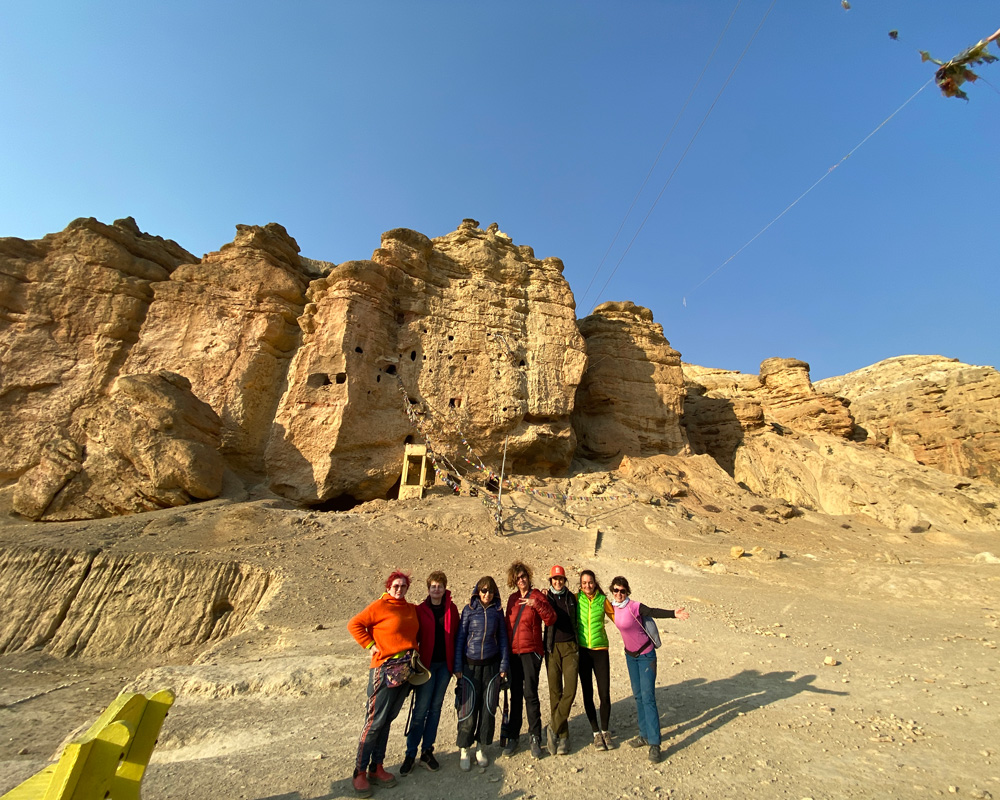
This is where most solo trekking content gets it backwards.
The narrative is: hire a guide, lose autonomy. Guides are friction. They get between you and the experience.
I've watched the opposite happen repeatedly.
When solo trekking is truly unsupported—no guide, no infrastructure—you spend your mental energy on logistics. Navigation. Where do I sleep tonight? Is this water safe? Can I trust this lodge owner? Should I walk through this village at dusk alone? By the time you reach camp, you've made 40 decisions. You're exhausted from problem-solving, not from walking.
A guide removes that noise.
You wake up without planning the day. You don't negotiate with lodge owners in broken English. You don't verify routes or wonder about timing. Your guide has already thought through the weather, the community dynamics, the water sources, the safe passage times.
What you get back is something solo trekkers actually want: mental space. Four hours of walking where your only job is to be present. To think. To notice the landscape. To listen to yourself think instead of problem-solving.
That's not compromise. That's infrastructure built around solitude.
Best Solo Routes (And Why I Don't Lead With Everest)
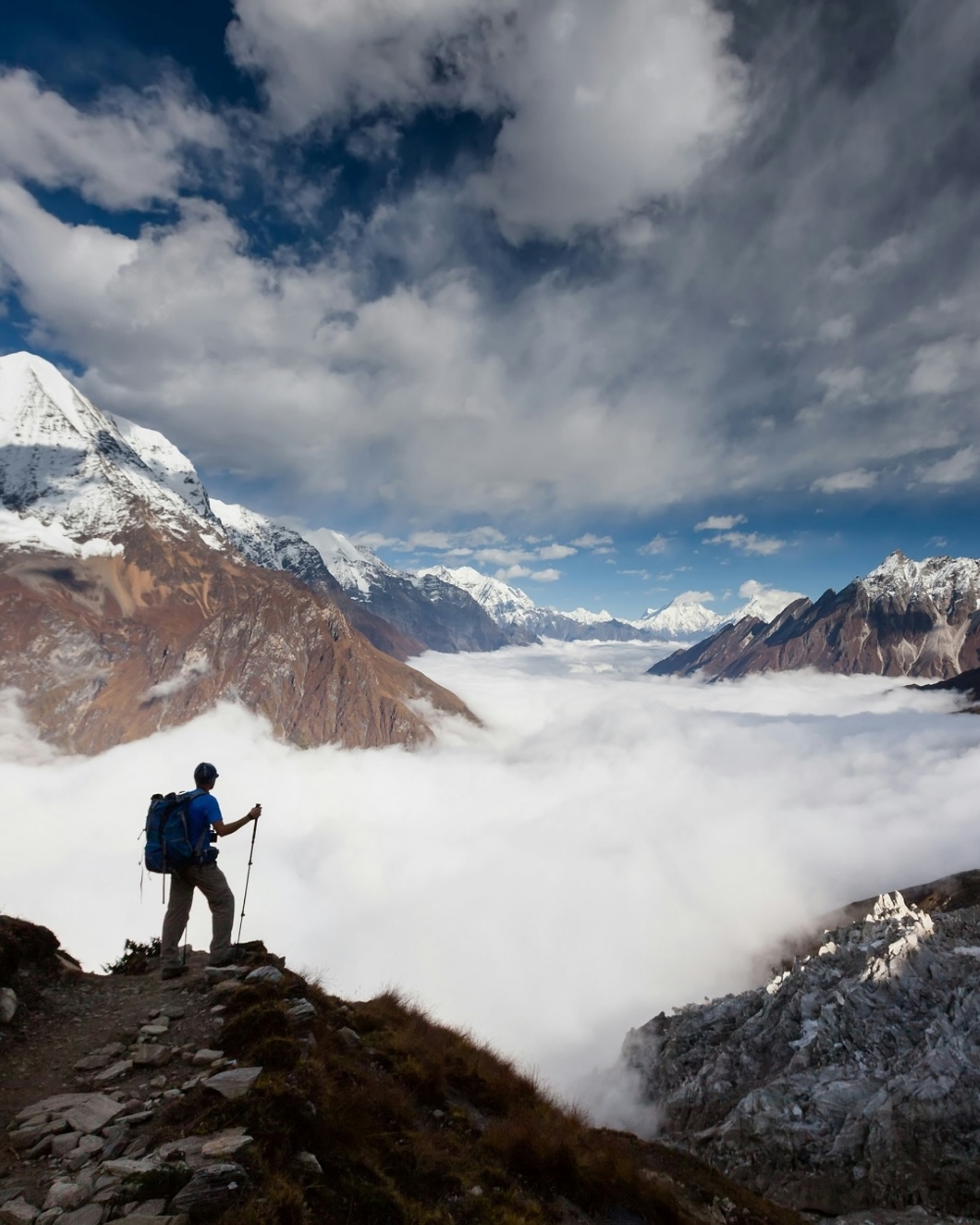
Manaslu Circuit Solo Trek (14 days)
This is what I send experienced solo trekkers to when they want depth without extreme restriction.
What you get: a real trade route, not a tourist highway. Villages where trekking isn't the primary economy. Guides who are rooted in communities, not rotating through zones. Cultural immersion that happens because you're walking slower than most, stopping longer, asking better questions.
Manaslu is less crowded than Everest by a factor of ten. You'll walk days without seeing other Western trekkers. You'll see actual daily life—farming, herding, village festivals if you time it right.
The trade-off: longer trek than Everest (14 days vs. 12), more technical terrain, less-established lodge infrastructure (meaning sometimes basic accommodation), and fewer Western comforts.
The real story: Manaslu is where solo trekkers discover that solitude isn't about being alone. It's about walking through places where tourism hasn't flattened the experience into a commodity yet.
Full Manaslu itinerary and costs here.
Langtang Valley Solo Trek (7 days)
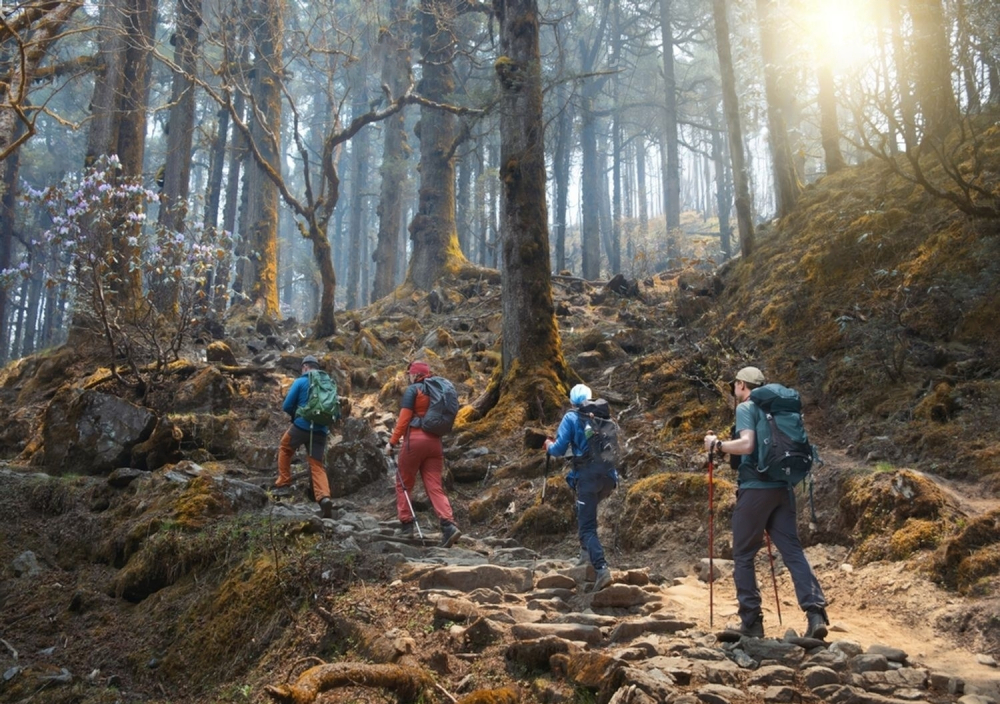
This is the entry point for first-time solo trekkers.
What you get: lower altitude (3,500m max), established trails, real communities (not just teahouses), and a trek that rebuilds itself. Langtang was devastated by the 2015 earthquake. Walking it now means trekking through actual community recovery, not restoration for tourists.
The trade-off: shorter than Manaslu or Mustang, less extreme isolation, more trekkers on the trail (especially in October-November).
The real story: Langtang matters because it teaches you something crucial about trekking in Nepal: the mountains aren't the point. The people rebuilding their lives in those mountains are the point. A week there teaches you more about what solo travel actually is than two weeks on a more famous route.
Check our Langtang day hike and valley trek packages.
Upper Mustang Solo Trek (13-14 days)
This is the trek that changed in March 2026. Now legal for solo travel with a guide.
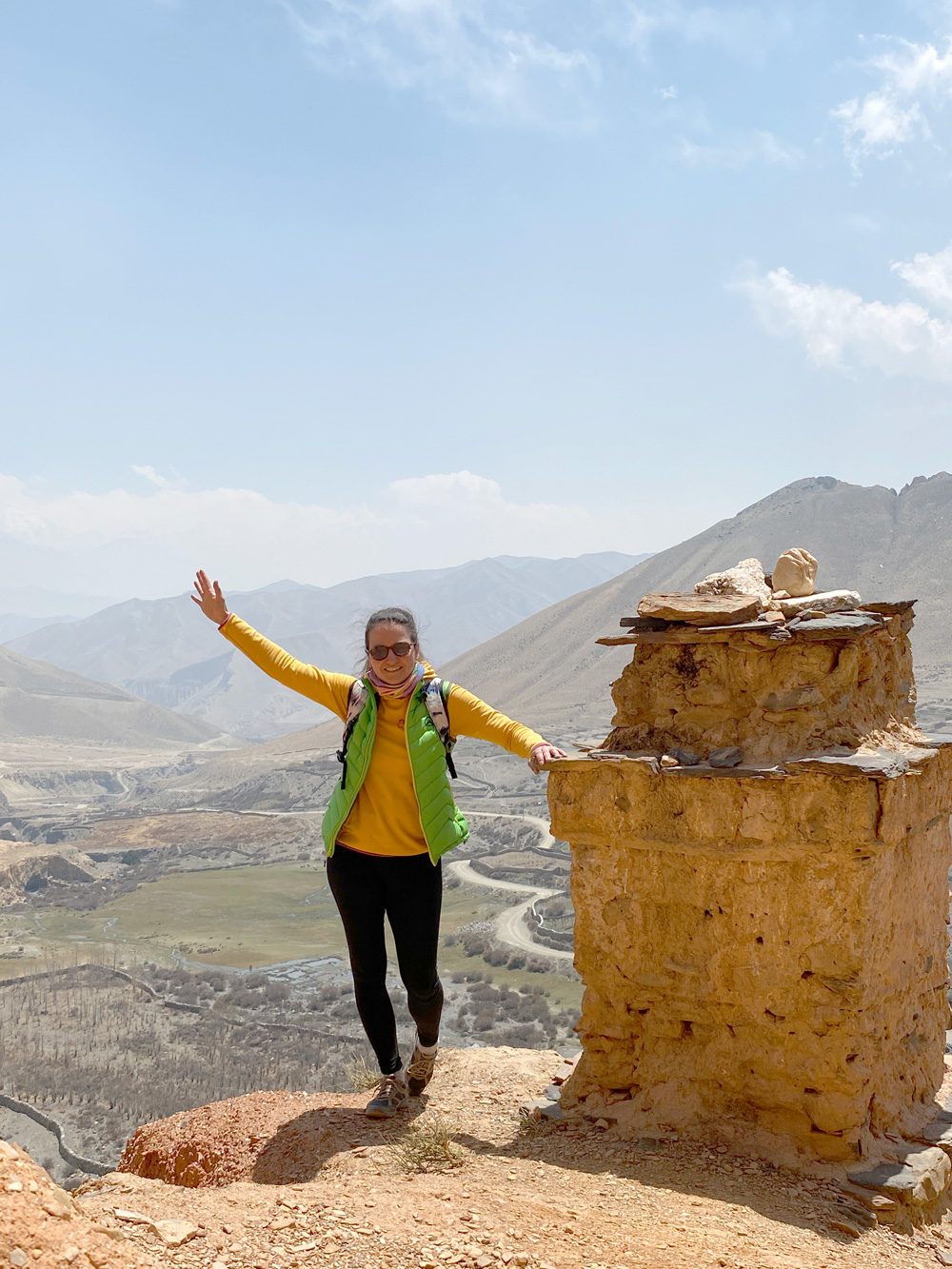
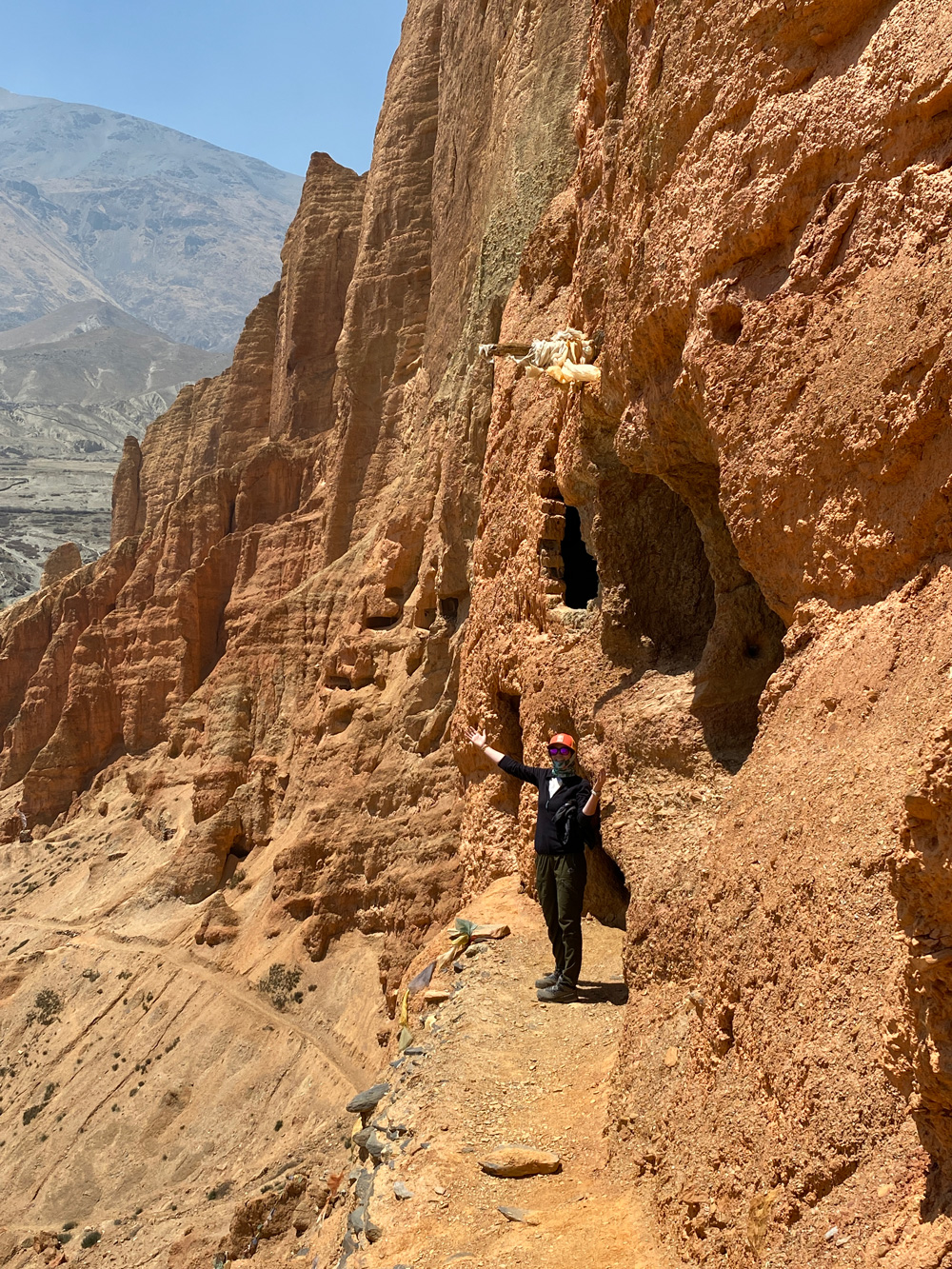
What you get: complete isolation. The landscape is Mars—red cliffs, sky caves, ancient monasteries built into rock faces. The culture is preserved specifically because access is restricted. Only a certain number of permits per day. You're not walking a tourist trail; you're walking through an ancient kingdom that's been closed to outside visitors for centuries.
The trade-off: altitude (4,200m), remoteness (no phone signal), restricted logistics (limited lodging options), and $50/day RAP fee (government permit for restricted area access).
The real story: most trekkers who do Upper Mustang solo do it because they want solitude that actually means something. Not crowds. Not teahouse circuits. Real isolation in a place that's actively protecting itself from tourism.
The guide structure works here because you're walking a restricted area. Your guide knows the government officials, the local families, the monasteries that allow visitors. Without that knowledge, you're navigating bureaucracy and cultural boundaries alone. With it, you're inside the experience.
Read more about what Upper Mustang actually requires.
Everest Base Camp Solo Trek (12-13 days)
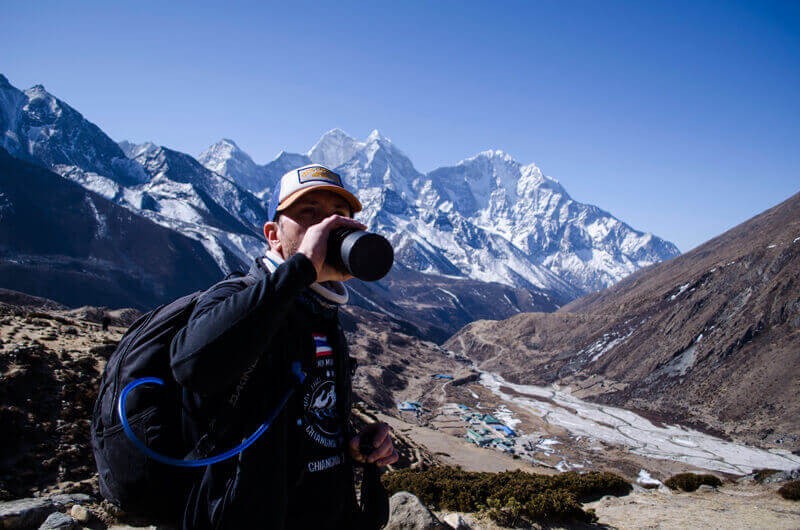
I mention this because everyone asks.
What you get: the mountain. 5,364m. Kala Patthar views. Sherpa culture in Namche and Tengboche.
What you actually get: 40,000 other trekkers per year. You won't be alone. You'll be hiking with thousands of other people who are also alone. The trail is crowded. The lodges are crowded. The experience is shared-solitary, which isn't solitude at all.
The real story: Everest is phenomenal if you want Everest specifically. But if you want solo travel—actual autonomy, actual isolation, actual depth—Manaslu or Mustang will give you that far more authentically. You're paying for a famous mountain, not for a transformative trek.
Everest Base Camp itinerary (if that's what you want).
Permits, Insurance, and What Actually Changed in 2026
Upper Mustang RAP (Restricted Area Permit):
- $50/person/day for foreign nationals
- Must be processed through a licensed trekking agency (you can't buy it yourself at Kagbeni)
- Requires passport copy, travel insurance proof (as of 2026), guide confirmation
- Processing takes 3-5 days—do this before arrival in Nepal if possible
- Funds conservation efforts and local community development
Annapurna Conservation Area Permit (ACAP):
- Rs. 3,000 ($25) for foreign nationals
- One-time entry to the entire Annapurna region
- Can buy in Kathmandu or at Bhesisahar checkpoint
- Required for Manaslu and Annapurna treks
TIMS Card (Trekkers Information Management System):
- Rs. 2,000 ($17) for foreign trekkers
- Registration system tracking trekker safety and movement
- Your agency or guide handles purchase
- Required at major checkpoints (Namche, Manang, etc.)
Travel Insurance Requirement:
This changed in 2026. As of now, travel insurance must be presented at major checkpoints (depends, but we do in Kagbeni). Standard travel insurance excludes trekking above 3,000 metres—read your policy carefully. You need explicit high-altitude coverage.
What this actually means: if your policy says "mountaineering and high-altitude trekking excluded," it doesn't cover you above 3,000m. Most treks start above 3,000m on day two.
Cost of high-altitude insurance: $50-100 for 2-3 weeks through World Nomads, AIG Adventure, or Allianz.
Cost of rescue at 4,200m: $15,000-25,000.
The insurance is non-negotiable.
Solo Trekking Permit (March 2026 Change):
Your guide appears on your permit. You trek independently. The guide is listed as responsible party. This is now standard procedure for restricted areas. Before March, this was a grey area requiring workarounds. Now it's formal.
Read more on Permits needed for Mustang.
Gear: Keep It Light, Keep It Functional
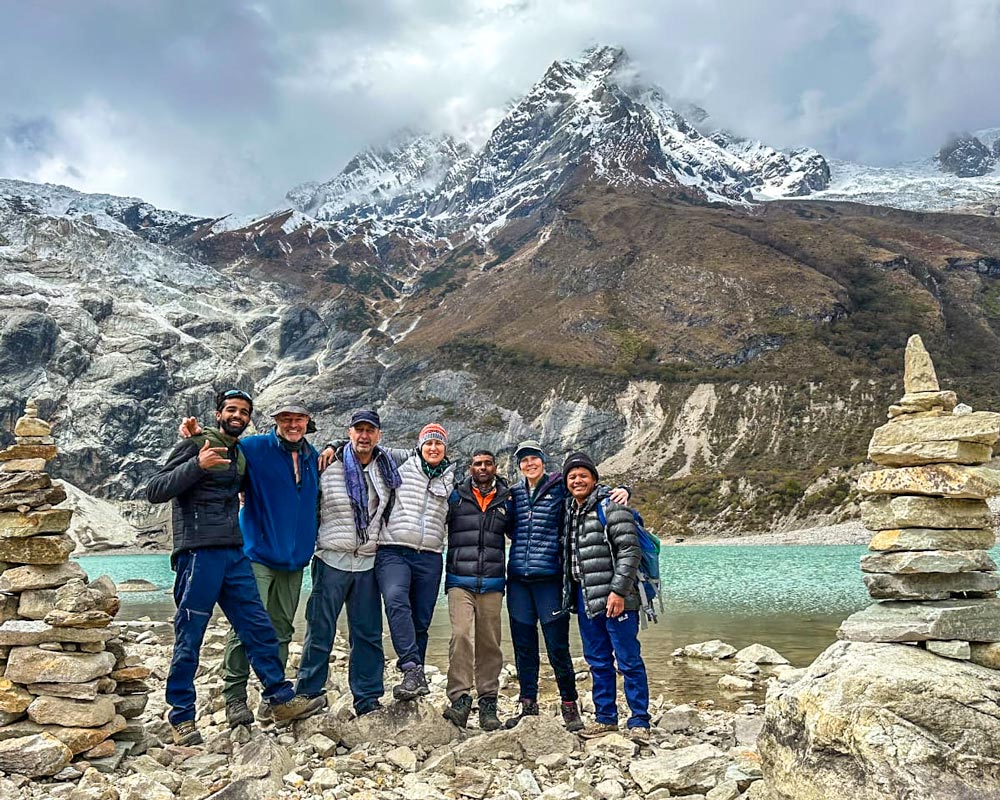
Boots: Bring Your Own
This is non-negotiable. You need 50km minimum break-in before you trek. Blisters at 4,000m on day four are genuinely dangerous—they can lead to infection, premature descent, or worse.
Rented boots are communal foot fungus. The leather isn't moulded to your foot. The sole wear is uneven. Someone else's blister bacteria is living in there.
Spend $150-200 on quality boots at home. Break them in over 2-3 months. Bring them to Nepal.
Everything Else: Rent in Kathmandu
Trekking poles: Rs. 200-300/day. Essential on descent. Redistributes knee impact.
Tent: Rs. 400-600/day for lightweight 3-season tent (you'll need this for Upper Mustang camping sections). Big Agnes, MSR, or Salewa quality.
Sleeping bag: Rs. 300-500/day. Temperature rating matters: -10°C for high altitude, -5°C for Annapurna.
Backpack: Rs. 300-500/day for a 50L pack.
Layers: Bring merino base, rent fleece and waterproof shell if needed.
Navigation:
Download offline maps (Google Maps, Alltrails, Maps.me) before you leave home. Your guide knows the trail, but offline maps are backup and give you confidence.
Don't bring GPS—unnecessary weight. Phone GPS with offline maps is sufficient.
First Aid:
Blister patches, ibuprofen, diamox (for altitude), antihistamine, antibiotic cream, athletic tape. Your guide carries the larger medical kit. You carry basics.
Solo Female Trekking: What Actually Matters
I'm going to be direct because this gets romanticised or catastrophised incorrectly.
Solo female trekking in Nepal is safe. You'll hear harassment stories; they exist but are rare and avoidable with basic operational sense.
What actually provides security:
Your Guide:
A guide who's alert, embedded in communities, and culturally aware is your most effective protection. Narayan—one of my guides—knows the rhythm of villages. He knows which places have good energy at dusk and which ones don't. That instinct, plus his presence, is better security than any insurance document.
Timing:
Arrive at villages during daylight. Don't walk alone at dusk. Stay in established lodges. This isn't paranoia. This is operational sense that applies to solo travel anywhere.
Visibility:
Trekking with a registered guide on a registered permit means someone knows your route and timeline. Your agency has itinerary details. That's genuine security, not just comfort.
Practical Considerations:
Dress modestly in villages (covered shoulders, knees). This isn't a restriction; it's respect.
Don't photograph people without asking.
Learn basic Nepali greetings. "Namaste" and "Dhanyavaad" (thank you) go a long way.
Be wary of solo male trekkers who try to attach to your group. Your guide will handle this, but stay aware.
Female solo trekkers I've sent to Manaslu and Mustang come back talking about guides who knew exactly when to offer help and when to give space. They come back changed, not harmed.
The women who have issues are the ones who ignore local customs or trek without guides in unmarked areas. Follow basic protocols, trek with a registered guide, and solo female trekking is genuinely safe.
Timing: October vs. March vs. When Not to Go
October-November (Autumn)
Clearest skies of the year
Coldest nights: -5 to 0°C at high camps, 8-15°C during day
Fewest trekkers (still busy, but 30% of peak season volume)
Driest trails
Best visibility for mountain views
Pick October-November if: you prioritise solitude and clear weather over comfort.
March-April (Spring)
Still clear skies (90% as good as autumn)
Warmer days: 10-18°C, 0-5°C at night
Wildflowers blooming in lower regions
Higher trekker volume (busier than autumn)
Some high passes still have snow
Pick March-April if: you want warmer nights and can tolerate more trekkers.
Never Go:
July-August: monsoon. Trails are mud. Views are obscured. Leeches. Don't. However, you can go to Mustang in June and July. Read more on why.
December-February: cold (sometimes -15°C at night), crowded with holiday tourists, some passes close entirely.
May-June: hot, dusty, some lodges closed for monsoon prep.
FAQ: The Stuff That Actually Matters
What's the real difference between a guide and a porter?
Guide: educated, licensed, speaks English, knows permit requirements, understands community dynamics, can make operational decisions, costs $35-45/day.
Porter: carries your pack, basic Nepali, limited English, no guide certification, costs $15-20/day.
For solo trekking, you need a guide. A porter is just load-carrying. Not the same thing.
Can I trek completely alone without a guide in Mustang?
Legally, no. Upper Mustang requires a licensed guide on your permit as of March 2026. Lower Mustang also requires one. But here's what that actually means operationally: your guide doesn't shadow you. On the trail from Kagbeni to Chele, you walk at your own pace. Your guide walks ahead or behind. You have silence for hours. The guide exists for logistics—arranging the 8 am departure from a lodge, knowing which stream crossings are safe in monsoon, having a conversation with the lodge owner in Ghar Gompa about bed availability. That's not hovering. That's infrastructure. If you want to walk alone and have a guide handle the rest, Mustang works perfectly for that.
Can I trek Lower Mustang solo without a guide?
Yes. Lower Mustang doesn't require RAP—just an ACAP permit (Rs. 3,000). You can book independently and negotiate directly with lodges. Most people don't because lodge owners speak limited English and daily negotiation wears thin. But legally, yes.
Langtang Valley—is it actually easier than Everest for a first-time solo trekker?
Yes, and here's why: Langtang maxes out at 3,500 metres. Everest hits 5,364 metres. Altitude affects everyone differently, but the difference between 3,500m and 5,364m is the difference between "I feel a bit tired" and "I'm deciding whether to descend." Langtang also has actual communities—real villages, not just teahouses. You'll see farming. You'll see daily life. Everest is trekkers and teahouses. Langtang is a place where people live, and trekkers are visitors. For a first-time solo trekker, Langtang is the right call. Our Langtang package runs 7 days, $999 total with a guide.
October-November trekking—what's the actual difference from March-April?
October-November: skies are clearer, temperatures are cooler (8-15°C during the day, -5 to 0°C at night in high camps), fewer trekkers (maybe 30% of peak season), trail is drier. The trade-off is nights are cold—you need a proper sleeping bag. March-April: skies are still good, temperatures are warmer (10-18°C day, 0-5°C night), wildflowers are blooming in lower regions, but more trekkers are on the trail, and some upper passes can still have snow. October is objectively better. March is objectively more comfortable temperature-wise. Pick based on cold tolerance and solitude preference.
Do I really need high-altitude travel insurance, or is standard travel insurance fine?
Standard travel insurance explicitly excludes trekking above 3,000 metres. Most policies say "mountaineering and high-altitude trekking excluded." You're above 3,000m starting from day two on most treks. A rescue helicopter from Everest's South Col costs $30,000-50,000. From Manaslu at 4,200m, it's $15,000-25,000. From Langtang at 3,500m, it's $8,000-12,000. Your policy must explicitly cover "trekking to altitude" or "mountaineering at altitude." We recommend World Nomads, AIG (American International Group), or Allianz Adventure. Cost is $50-100 for 2-3 weeks. Non-negotiable.
Should I bring my own trekking boots or rent in Kathmandu?
Bring your own. Break them in at home for at least 50km of walking. Rented boots are communal—blisters from previous trekkers' sweat, leather not moulded to your foot, soles worn unevenly. A blister at 4,000m on day four of a 12-day trek is genuinely bad. Your boots are the one piece of gear worth travelling with. Everything else (tent, bag, sleeping bag) can be rented.
Is it cheaper to book through an agency or arrange independently in Kathmandu?
Booking through an agency beforehand costs more upfront ($200-400 coordination fee for Mustang, $100-200 for Manaslu). But you get: confirmed guide assigned before you land, pre-arranged lodging, permits processed, flights/transport coordinated. If you arrive in Kathmandu and arrange everything street-side, permits take 3-5 days to process, guides may not be available, and you're juggling phone calls with poor English-speaking lodge owners. You'll save $100-200 but lose 5-7 days and gain stress. Most solo trekkers regret doing it independently. The coordination fee is actually cheap insurance for your time and sanity.
What's the real difference between Lower Mustang and Upper Mustang for solo trekking?
Lower Mustang (Jomsom-Marpha-Tatopani loop): lower altitude (2,500-3,500m), fewer permits required (ACAP only, Rs. 3,000), doable in 5-6 days, less restricted. Upper Mustang (Kagbeni-Lo Manthang-Dhakmar): higher altitude (3,500-4,200m), restricted area requiring RAP ($50/day), requires licensed agency booking, 12-14 days minimum, ancient kingdom preservation rules (no photos of certain monasteries, no wandering off-trail). Lower Mustang is solo-friendly, less bureaucratic, more flexible. Upper Mustang is what you want if you're seeking actual isolation and cultural depth, but it requires commitment and paperwork. Most first-time Mustang solo trekkers do Lower. Second time, they do Upper.
How long does it actually take to arrange a solo trek after landing in Kathmandu?
If you pre-book: zero days. You land, we pick you up, permits are ready, guide is confirmed, you trek. If you arrive without booking: 5-7 days minimum. Permits for Upper Mustang require specific agency filing. Permits for Everest need TIMS processing. Guides need to be contacted and confirmed. Lodging needs to be arranged. Solo trekking isn't spontaneous—it requires coordination. Plan before you land.
Can I do a 3-day solo trek or is that too short?
Three days is a day hike. We have a Dhulikhel day hike ($99/person, guide Gopal) that's legitimately good—you get real trekking experience, local village immersion, no altitude issues. If you want actual multi-day trekking, the minimum is 7 days (Langtang). Anything shorter isn't really trekking; it's hiking. The endurance required, the mental shift, the connection with guides and communities—that happens on day 4-5, not day 1-2.
Do I need acclimatisation days or can I go straight to high altitude?
For anything above 4,000m, yes, you need acclimatisation days. We build them into every itinerary. Manaslu has a day in Samdo at 3,880m before the pass. Upper Mustang has a day in Lo Manthang at 3,800m. Everest has rest days in Namche and Tengboche. These aren't optional. Altitude sickness (AMS) isn't an inconvenience—it's dangerous. Ignore it, and you're airlifted out at $20,000+. Follow acclimatisation protocol, and you're fine. Read more about the Acclimatization days in Nepal.
Conclusion
The regulation change in March 2026 matters because it created space for something that was already happening: people wanting to trek on their own terms, supported but autonomous.
That woman in Ghandruk didn't remember the 10 days because they were well-organised. She remembered three days with people who became, briefly, family. Her guide didn't plan that. He understood something about presence—knowing when to step back, when to open a door, when a rule on a permit matters less than an actual human moment.
That's what solo trekking is now.
Not alone. Present. And operating within a system that finally recognises the difference.
Ready to trek solo? Check our Manaslu package or read the full Upper Mustang permit guide if you're going high-altitude. Or start with Langtang if it's your first time.