Every week, I get some version of the same question: "I read permits cost $500. Someone else said $50 a day. Is there a minimum group size? Can I go solo?" All three people are partly right — and all three are confused about which zone of Mustang actually requires what.
Here's the core problem: Mustang isn't one trekking region with one permit system. It's two regions with two completely different rules. Get the zone wrong, and you either waste money on permits you don't need or show up at a checkpoint missing documentation you should have brought.
I've watched travellers lose a full day in Pokhara scrambling to correct permit confusion. I've seen others argue with checkpoint staff about regulations that changed in March 2026. This guide is built from 3+ years of on-ground operating experience in these zones — what actually works, what the government actually enforces, and what catches people off guard.
Quick Answer
If you're entering Upper Mustang beyond Kagbeni, you need:
RAP (Restricted Area Permit): $50 USD per day
ACAP (Annapurna Conservation Area Permit): $30 USD
TIMS (Trekker Information Management System): $10 USD
Licensed guide: Mandatory (solo travellers now permitted since March 22, 2026)
If you're staying in Lower Mustang only (Jomsom, Marpha, Kagbeni, Muktinath), you need ACAP + TIMS only — no RAP.
Mustang's Two Zones: Which One Are You Actually Visiting?
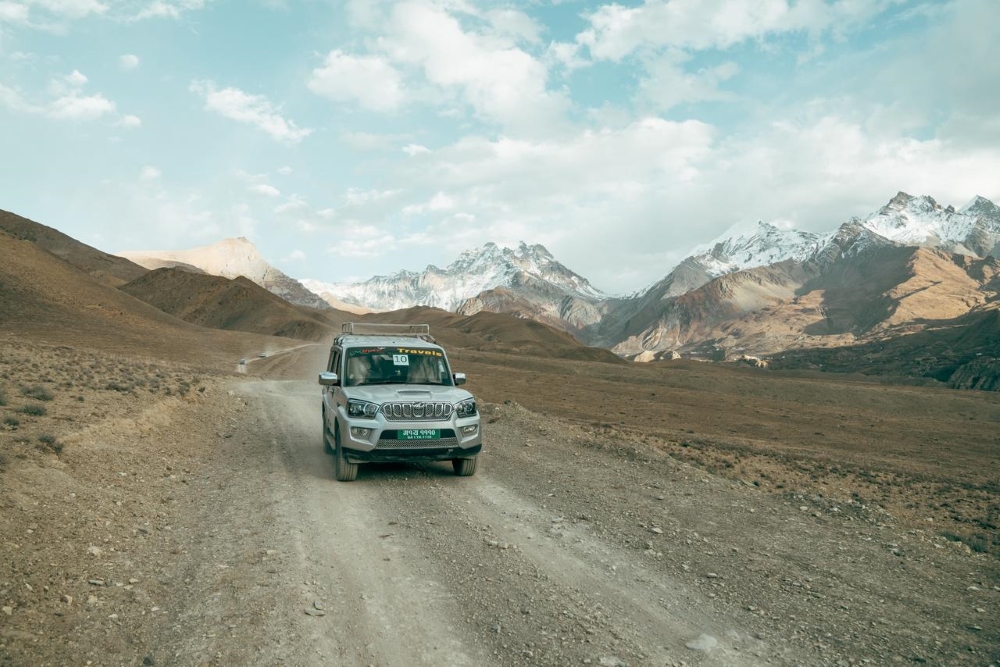
The entire Mustang region sits inside the Annapurna Conservation Area. But Mustang is not one zone — it's two, with different geography, different culture, and different permit requirements.
Lower Mustang: Open, Affordable, No Restricted Permit
Lower Mustang runs from Pokhara southward through the Kali Gandaki valley to Kagbeni. This includes:
- Jomsom (the main hub)
- Marpha (the apple wine town)
- Kagbeni (the southern gateway)
- Muktinath (the pilgrimage site)
- Lete, Kalopani, Tukuche
This is accessible trekking territory, fully open to visitors, with no government restrictions. You walk through real villages, visit working farms, and experience Mustang culture without bureaucratic barriers.
What you need: ACAP + TIMS. That's it. No restricted area permit. No minimum group size. No mandatory guide (though I'd recommend one anyway — the difference in experience is significant).
Cost: ACAP $30 USD + TIMS $10 USD = $40 total. One-time payment, covers the entire Lower Mustang region.
Upper Mustang: Restricted, Controlled, Permit-Required
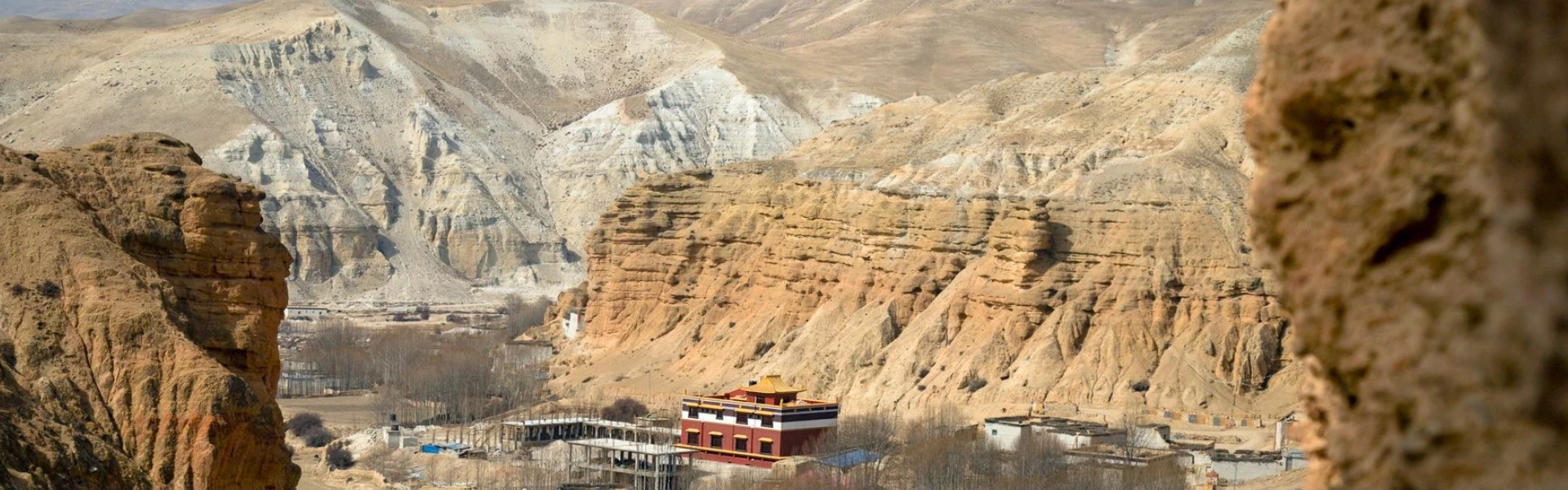
Everything north of Kagbeni is classified as a restricted area by Nepal's Department of Immigration. This includes:
- Chele (the first village inside)
- Syangboche
- Ghami
- Tsarang
- Charang
- Lo Manthang (the walled capital, the centrepiece)
- Drakmar and surrounding areas
This is the "Forbidden Kingdom" you read about. It was closed entirely to foreign visitors until 1992, and remains heavily controlled.
What you need: RAP + ACAP + TIMS, plus a licensed guide. This is not negotiable — checkpoints are staffed and enforced.
Cost: RAP $50/day USD + ACAP $30 USD + TIMS $10 USD + guide costs (varies by operator).
Lower Mustang Vs Upper Mustang — Permit Difference at a Glance
| Aspect | Lower Mustang (South of Kagbeni) | Upper Mustang (North of Kagbeni) |
|---|---|---|
| Permit required? | Yes (ACAP only) | Yes (RAP + ACAP) |
| Restricted Area Permit (RAP) | No | Yes, $50/person/day |
| ACAP | Yes, $30 USD | Yes, $30 USD |
| TIMS | Yes, $10 USD | Yes, $10 USD |
| Mandatory guide? | No (recommended) | Yes, always |
| Solo trekking allowed? | Yes | Yes (as of March 22, 2026) |
| Guide ratio | None | Max 1 guide: 7 trekkers |
| Checkpoint enforcement | Light | Strict (Kagbeni manned 24/7) |
| Total permit cost | $40 | ~$500 for 10 days (RAP only) |
| Can you extend? | No extension needed (open area) | Yes, $50/day, arranged in Jomsom |
Simple rule: If you're staying south of Kagbeni, ACAP covers you. If you're going north, you need RAP. There is no middle ground — Kagbeni is the hard boundary.
For More Upper Mustang and Lower Mustang comparison, see our guide.
Understanding The Restricted Area Permit (RAP): What It Is & Why It Exists
The RAP isn't bureaucratic theatre. It's Nepal's intentional choice to keep Upper Mustang from becoming another mass-market trekking destination.
When Upper Mustang opened to foreigners in 1992, the government set strict controls: limited visitor numbers, high daily fees (originally $100/person/day), and a rule that solo travellers couldn't enter at all. These weren't arbitrary — they were designed to preserve the region's fragility.
In March 2026, Nepal made a significant policy shift. The government removed the two-person minimum and switched from a flat daily rate to a calculated daily rate based on actual days inside the zone. Solo travellers can now trek Upper Mustang if they're with a licensed guide. This was a real policy change, driven by Nepal's Trekking Agencies' Association (TAAN) arguing that the solo ban was costing Nepal tourism revenue while other restricted areas (Manaslu, Dolpo) were opening up.
Here's what changed:
- Old system (pre-March 2026): Flat $500 for any Upper Mustang trek of 10 days or fewer
- New system (March 22, 2026 onward): $50/person/day, calculated for actual days inside the zone
On a 17-day total itinerary with 10 days inside Upper Mustang (north of Kagbeni), you now pay $500 for the RAP — the same flat amount as before, but now based on your actual time in the zone, not a fixed bracket. The difference: if you do an 8-day trek with 5 days in Upper Mustang, you pay $250, not $500.
This is why websites quoting "$500" and others quoting "$50/day" are both technically correct — they're just describing the same rule two different ways.
Lower Mustang Permits: ACAP & TIMS Complete Breakdown
.webp)
If you're planning Lower Mustang (which is most trekkers' actual goal when they mention "Mustang" casually), here's what you actually need.
ACAP: Annapurna Conservation Area Permit
Cost: $30 USD (foreign nationals) / 1,000 NPR (SAARC citizens)
What it covers: Entry into the entire Annapurna Conservation Area, which includes:
- Lower Mustang (Jomsom, Marpha, Kagbeni, Muktinath, etc.)
- The Annapurna Circuit trek
- Annapurna Base Camp trek
- Any trekking inside the conservation area boundary
How long it's valid: For the entire duration of your stay inside ACAP. No expiration date while you're on the trek.
Who needs it: Everyone. Nepali citizens need it too.
Where to get it: Through your trekking agency (HST processes this as part of your booking), or at the ACAP office in Kathmandu (Singha Durbar, near the Ministry of Forests). Walk-in applications take 1–2 hours.
TIMS: Trekker Information Management System
Cost: $20 USD (foreign nationals) / 1,000 NPR (SAARC citizens)
What it is: A basic trekking registration card — essentially a safety tracking document. If you go missing on a trek, TIMS is how the government knows who you are, who your operator is, and who to contact.
How long it's valid: 30 days from the issue date (plenty of time for any trek).
Where to get it: TIMS office at Kathmandu's Tourism Board (Bhikuti Mandap) or through your trekking agency (preferred — HST handles this).
Who needs it: Everyone trekking in Nepal. This applies to Lower and Upper Mustang equally.
Combined Lower Mustang Cost
ACAP ($30) + TIMS ($10) = $40 USD per person for the entire trek. One-time payment. This is genuinely simple.
Processing timeline: 1–2 days if you're in Kathmandu; can be done same-day if you're in a rush. HST processes this immediately upon your arrival.
Upper Mustang Permits — RAP, ACAP, TIMS & Guide Requirements
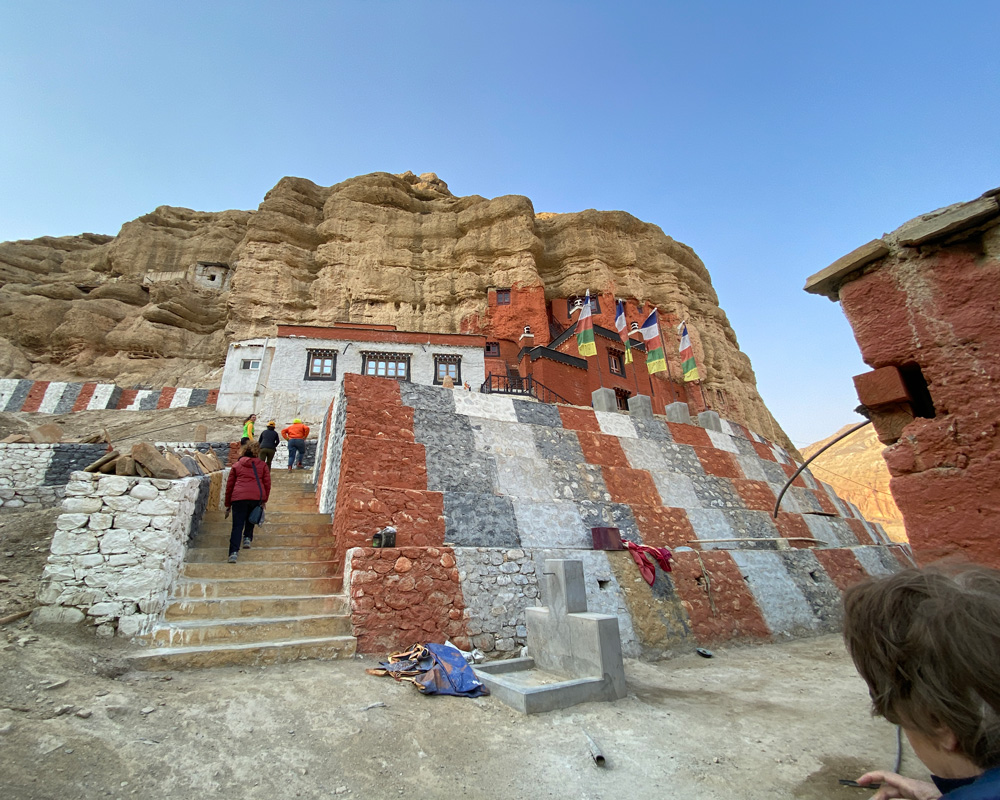
Upper Mustang is more complex because it involves government restrictions, specific enforcement, timeline coordination, and solo traveller regulations that changed in 2026.
RAP: Restricted Area Permit — The Core Permission
Cost: $50 USD per person, per day spent north of Kagbeni
Calculation: On a 17-day total itinerary, if 10 days are inside the restricted zone (north of Kagbeni), the RAP costs $500. If 12 days are inside, it's $600. You pay only for days actually spent in Upper Mustang — not an estimate, not a bracket, not a flat fee.
What it covers: Permission to enter and trek through all areas north of Kagbeni:
- Chele
- Syangboche
- Ghami
- Tsarang
- Charang
- Lo Manthang
- Drakmar and surrounding areas
Who issues it: Nepal's Department of Immigration (DoI). It cannot be issued by anyone else, and only through a registered trekking agency — individual applications are rejected outright.
When can you apply? Only after you arrive in Nepal and have your official visa number. The RAP application requires:
- Your Nepal visa number (obtained after landing and passing immigration)
- Your passport number
- Your passport copy
- Passport-sized photographs (4 copies recommended)
- Proof of travel insurance covering high-altitude trekking and helicopter evacuation (this is verified at checkpoints — insufficient coverage means you're turned back)
Processing timeline: 3–7 working days after submission. This is built into any proper itinerary — you don't rush this.
Validity: The permit becomes valid on your first entry date at Kagbeni and expires at midnight on your final permitted day. There is no grace period — if your permit expires on Day 10, you must be south of Kagbeni before midnight on Day 10.
Extensions: Yes, available through the Department of Immigration office in Jomsom at the same $50/day rate. Arrange this through your guide or at the office directly.
ACAP: Still Required for Upper Mustang
Yes, you need ACAP in addition to the RAP. Upper Mustang sits inside the Annapurna Conservation Area, so the conservation fee applies regardless of whether you're in the restricted or unrestricted portions.
Cost: $30 USD (same as Lower Mustang)
Why? Conservation funding for the area. Both permits serve different purposes:
- ACAP = conservation/access to ACAP regions
- RAP = government control / restricted area management
TIMS: Still Required for Upper Mustang
Yes. Same as Lower Mustang.
Cost: $10 USD
Licensed Guide: Mandatory
This has not changed and will not change. Upper Mustang does not open to unguided travel — not for groups, not for pairs, not for solo travellers.
What changed in March 2026: You no longer need a second trekker. Previously, solo travellers couldn't get a permit at all — you needed at least two people. Now, one licensed guide can lead one trekker (or up to seven trekkers under current regulations).
Who qualifies as licensed? A guide who:
- Holds official government trekking guide certification (issued by Nepal's Department of Tourism)
- Has been trained, typically through NATHM (Nepalese Academy of Tourism and Hotel Management) or equivalent
- Is registered with a licensed trekking agency
- Carries proof of credentials
You cannot hire a local guide from a teahouse and call it legal. The guide must be formally licensed and formally registered with your agency before the permit application is submitted.
How HST handles this: We vet every guide for cultural sensitivity, mountain experience, and communication skills. Before your trek, your guide is briefed specifically on your preferences — pace, interests, how much guidance vs. quiet time you want — not generically assigned. Our guides are trained through NATHM standards and know the terrain and the communities deeply.
Solo Traveller Update: What Changed March 22, 2026
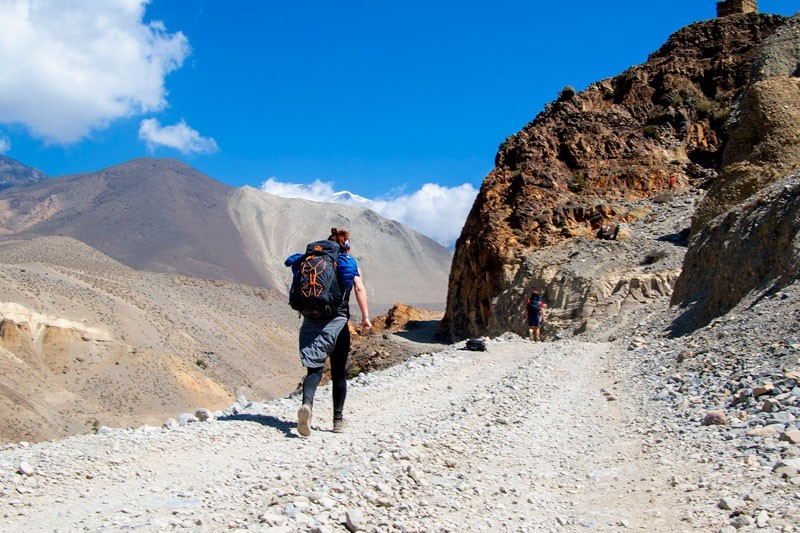
Until March 2026, this was the actual rule from Nepal's Department of Immigration: "A minimum of two foreign nationals are required to obtain a Restricted Area Permit for Upper Mustang."
This meant: you could not trek Upper Mustang alone. If you were a solo traveller, you either had to join a group trek or find a companion trekker.
On March 22, 2026, the Department of Immigration officially removed this requirement. The new rule: "Solo foreign nationals can obtain a Restricted Area Permit provided they are accompanied by a licensed Nepali trekking guide and book through a registered trekking agency."
Why did it change? The Trekking Agencies' Association (TAAN) and Nepal's tourism stakeholders argued that:
The solo ban was economically inefficient (travellers were choosing other restricted areas or other countries)
Safety concerns were overblown if a licensed guide was mandatory anyway
Other restricted areas (Manaslu, Dolpo, etc.) were already allowing solo travellers
The government listened. Now solo travellers can trek Upper Mustang without waiting for a travel partner or joining someone else's group.
For HST clients: Solo travellers now follow the same permit process as groups, just with one trekker and one guide. The RAP is the same cost ($50/day), and the itinerary is customised entirely to you — not following a group schedule.
Complete Upper Mustang Permit Cost Breakdown: 10-Day Trek Example
Here's what a realistic Upper Mustang trek costs in permits alone (not guide, not accommodation, not transportation):
| Item | Cost | Notes |
|---|---|---|
| RAP (Restricted Area Permit) | $500 | 10 days inside zone × $50/day |
| ACAP | $30 | One-time, covers entire trek |
| TIMS | $10 | One-time, covers entire trek |
| Total permits | $540 | Per person |
| Guide fee | $25–40/day | Varies by operator (HST handles this) |
| Total with guide | $790–940 | For 10-day trek, permits + guide |
The RAP is by far the largest cost component. If someone quotes you $500 for Upper Mustang permits, they're quoting RAP only — which is accurate.
The Permit Application Process: Step By Step
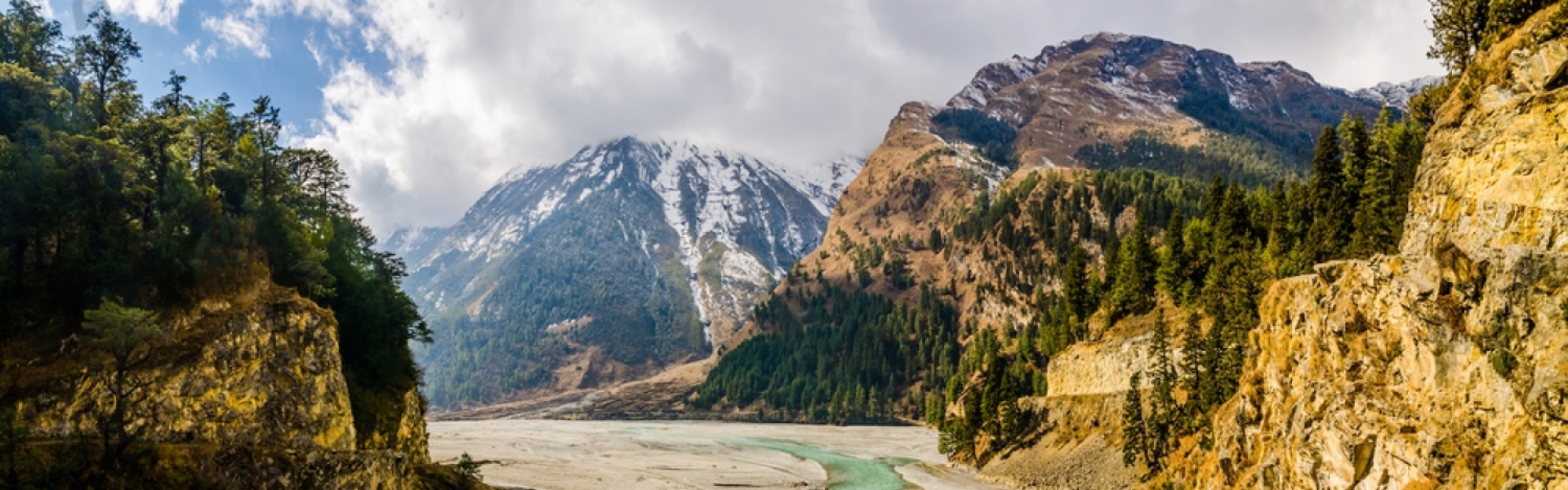
This is where confusion happens. Most travellers think they need permits before arriving in Nepal. They don't.
Step 1: Arrive in Nepal, Get Your Visa (Days 1–2)
You arrive at Tribhuvan International Airport, Kathmandu. You get your visa:
- Visa-on-arrival: Apply at the airport immigration counter upon landing (easiest for most international travellers)
- Or pre-arranged e-visa: Apply online before your flight
Once you clear immigration, you have your official visa number. This is the magic document. Without it, the RAP application cannot be submitted.
What to bring: Passport, completed arrival card (given on the flight), and cash or payment method for visa fee (Nepalese Rupees or USD).
Step 2: Provide Your Details to HST (Day 2–3)
Once you're in your hotel in Kathmandu (or Pokhara if you're fast-tracking), you contact HST:
- Confirm your visa number
- Provide your passport number
- Submit 4 passport-sized photographs
- Confirm your travel insurance details
HST then submits the RAP application to the Department of Immigration in Kathmandu.
Step 3: Wait for Processing (3–7 Working Days)
The Department of Immigration processes the application. Processing time is genuinely 3–7 working days — this is not negotiable. You cannot rush it. This is why proper itineraries always build in 3–4 "Kathmandu days" before flying to Jomsom.
During this time:
- The department verifies your visa
- They confirm you're listed with a registered agency (HST)
- They check that your travel insurance meets their requirements
- They issue the permit
If your insurance doesn't cover high-altitude trekking and helicopter evacuation, they will reject it. This happens. We've seen people's applications held up because they submitted generic travel insurance. Standard "medical evacuation" is not enough — it must specifically state mountain/altitude coverage.
Step 4: Collect Your Permit (Before Flying to Jomsom)
Once approved, you collect the RAP from the Department of Immigration office in Kathmandu (or HST collects it on your behalf). The permit is a printed document issued by the government — you must carry it physically to the checkpoint.
At this point, you have:
- RAP (restricted area permit)
- ACAP (conservation area permit)
- TIMS (registration card)
All three travel with you on the trek.
Step 5: Checkpoint Verification (Day at Kagbeni)
You arrive at Kagbeni checkpoint (manned 24/7, no exceptions). Immigration staff verify:
- Your passport
- Your visa in the passport
- Your RAP (physical document)
- Your ACAP
- Your TIMS
- Your travel insurance (they will ask to see it — have it with you)
They record you and stamp you through. This process takes 15–30 minutes, but it's not optional. If you're missing anything, you turn around. There's no "I'll sort it out later." This is final.
You're now officially inside Upper Mustang's restricted zone. Your permit is active.
Real Timeline Example: Typical Upper Mustang Trek Schedule
Day 1: Arrive in Kathmandu, clear immigration, get visa number
Day 2–3: Brief city tour, rest, submit permit documents to HST
Day 3–5: Department of Immigration processes application (3–7 days assumed)
Day 5: Permit approved, HST collects it from DoI office
Day 5–6: Final preparations, pack, fly to Jomsom
Day 6: Arrive in Jomsom, trek to Kagbeni, pass checkpoint
Day 7–16: Trek Upper Mustang (10 days inside restricted zone, covered by RAP)
Day 16: Fly back to Pokhara
Day 17: Drive back to Kathmandu, depart
This is not rushed. The itinerary includes buffer days specifically for permit delays.
Travel Insurance: The Checkpoint Requirement People Miss
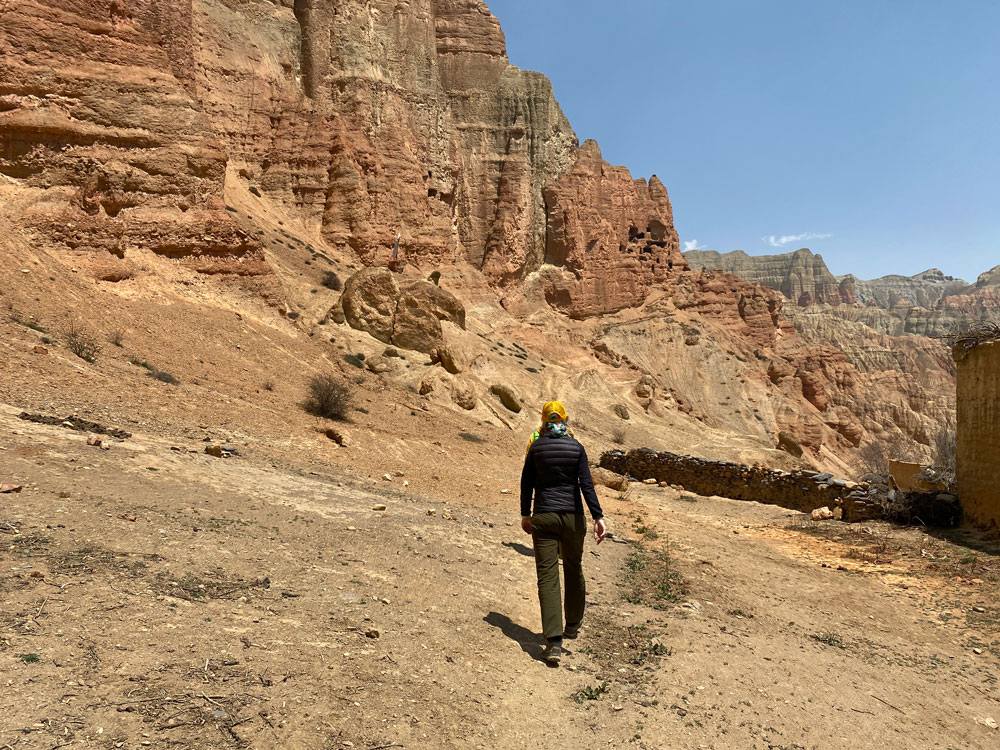
Here's the detail that catches people: travel insurance isn't optional. It's required, and it must meet specific criteria.
What's Required
Your travel insurance must cover:
High-altitude trekking (specified in policy)
Helicopter evacuation (explicitly mentioned)
Medical costs (international standard)
Accidental death and disability
Emergency travel/repatriation
What Won't Work
Insurance that says:
"Travel insurance — general coverage" (too vague)
"Medical evacuation" only (doesn't specify altitude)
"Asia trip coverage" (no mountain clause)
Generic policies often exclude altitude above 3,000 m or state that mountain rescue isn't covered. The checkpoint staff will ask to see your policy document and will verify the specific language.
Real scenario: A trekker arrived at Kagbeni with a major US insurance policy that covered medical emergencies but explicitly excluded "mountaineering and trekking." The checkpoint turned them around. They had to buy a new policy in Jomsom and resubmit the RAP application — another 3–7 days of waiting.
Where to Get Proper Insurance
- Before you leave home: Buy from your home country insurance provider — World Nomads, IMG Global, SafetyWing, or local equivalents all offer mountain-specific trekking policies ($40–80 for 2–3 weeks)
- In Kathmandu, if you forgot: Insurance brokers near Thamel can arrange it, but it takes time and costs more
- Never buy it at the checkpoint: It's too late and likely won't be accepted
Cost Range
International trekking insurance covering Nepal high-altitude + helicopter evacuation: $50–150 USD for 2–3 weeks, depending on provider and coverage limits.
When To Start The Permit Process: Timeline Recommendations
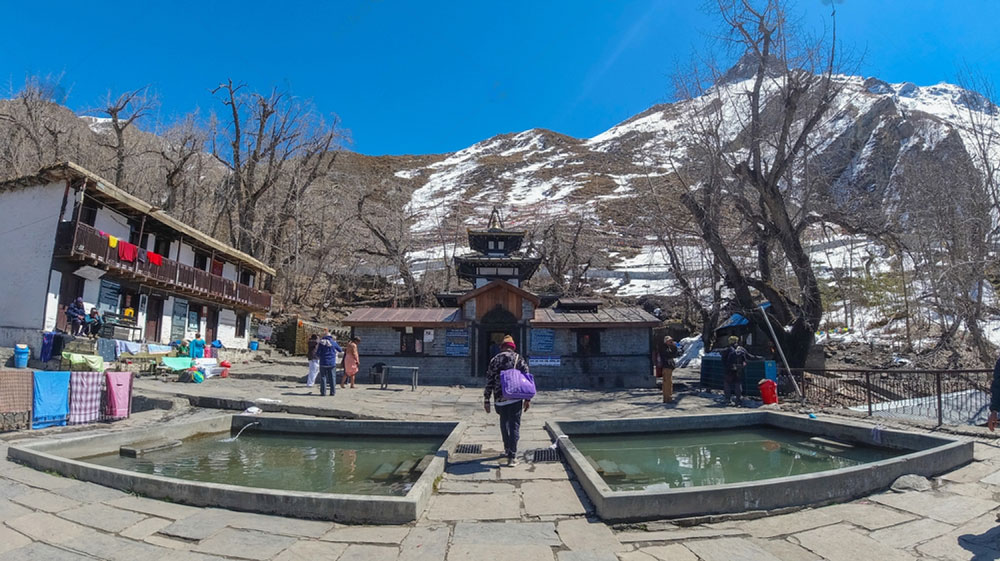
This is the operational detail most guides skip.
Ideal Timeline: 4–6 Weeks Before Your Trek
4–6 weeks out:
- Book your trek with HST
- Arrange your international flights (Kathmandu arrival date locked in)
- Start obtaining travel insurance
2–3 weeks out:
- Get your Nepal visa (if not doing visa-on-arrival, do it now)
- Confirm final itinerary dates with HST
- Prepare permit documents (passport copies, photographs)
1–2 weeks out:
- Arrive in Kathmandu on your scheduled date
- Go through immigration, get visa number
- Hand over permit documents to HST (Days 2–3
After arrival:
- HST submits application (Days 3–4 after landing)
- DoI processes (Days 4–10 after landing, 3–7 working days)
- You fly to Jomsom (Day 10–11 after landing)
This gives you a safe buffer. If processing hits the 7-day ceiling, you're still fine.
Minimum Timeline: 2–3 Weeks Before Trek
If you're booking late:
- Arrive in Kathmandu 4–5 days before Jomsom flight
- Submit documents immediately (Day 1)
- Hope for fast processing (3 days minimum)
- Fly on Day 4–5
This works, but there's no buffer. If the DoI is slow or your insurance has issues, you miss your flight.
Too Late: Less Than 2 Weeks Before Trek
Don't do this. The processing time alone is 3–7 days. You'll be stuck in Kathmandu waiting for a permit instead of trekking.
Solo Travellers: What Changed In 2026 & What This Means Practically
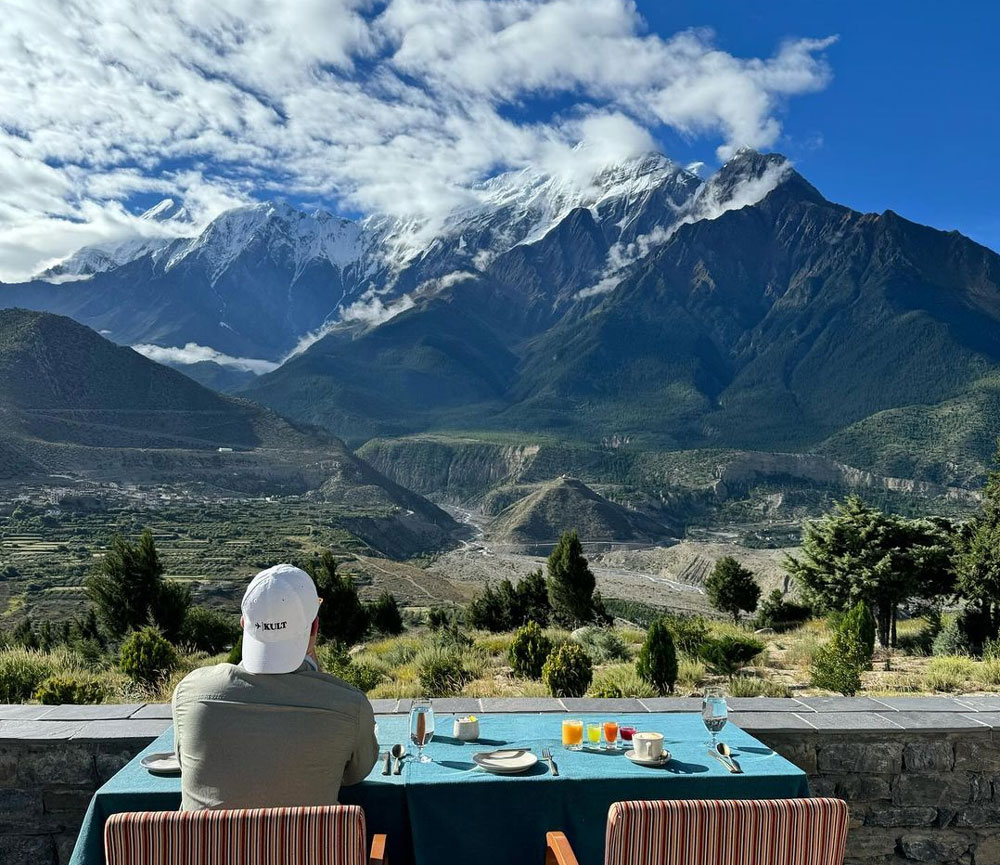
The March 2026 policy change opened Upper Mustang to solo travellers for the first time. Here's what it actually means on the ground.
What the Rule Says
Solo foreign nationals can obtain a Restricted Area Permit provided they:
- Are accompanied by a licensed Nepali trekking guide
- Book through a registered trekking agency
- Follow the same permit process as groups
What This Means Practically
You can trek alone, but not unguided. Your guide is mandatory, not optional. The guide-to-trekker ratio under 2026 regulations is: 1 guide can lead up to 7 trekkers. One solo traveller gets one guide full-time.
Why this matters: The guide is your checkpoint requirement, your safety insurance, your cultural facilitator, and your logistics coordinator. They're not an optional add-on. Without them, you cannot obtain the permit, and checkpoints will turn you around.
For HST's solo travellers: This is genuinely more personal than group treks. You're not following a group itinerary — the pace, the acclimatisation, the amount of time in Lo Manthang, the guide's attention — all adjust entirely to you. We assign a guide specifically suited to solo trekking (patience, cultural knowledge, flexibility) and brief them on your preferences before departure.
Common Solo Traveller Questions
Q: Can I hire a guide locally in Jomsom instead of booking through HST?
No. The guide must be registered with a licensed agency before the permit application is submitted. Hiring someone at the teahouse in Jomsom is not legal. Checkpoints check guide credentials against the agency that submitted the permit application.
Q: Does solo cost more than group?
The RAP cost is identical ($50/day). Guide fees might be similar or slightly higher per day (since you're not sharing one guide with 6 others), depending on the operator. HST's pricing for solo is transparent — email for a quote.
Q: Can I meet other solo travellers and trek together informally?
Yes — if you all booked through HST and have permits for the same dates. But you need formal registration with one agency first. You cannot "find people in Kathmandu" and decide to trek together — all permits must be pre-applied for by an agency.
Special Scenarios: Tiji Festival, Jeep Tours & Alternatives
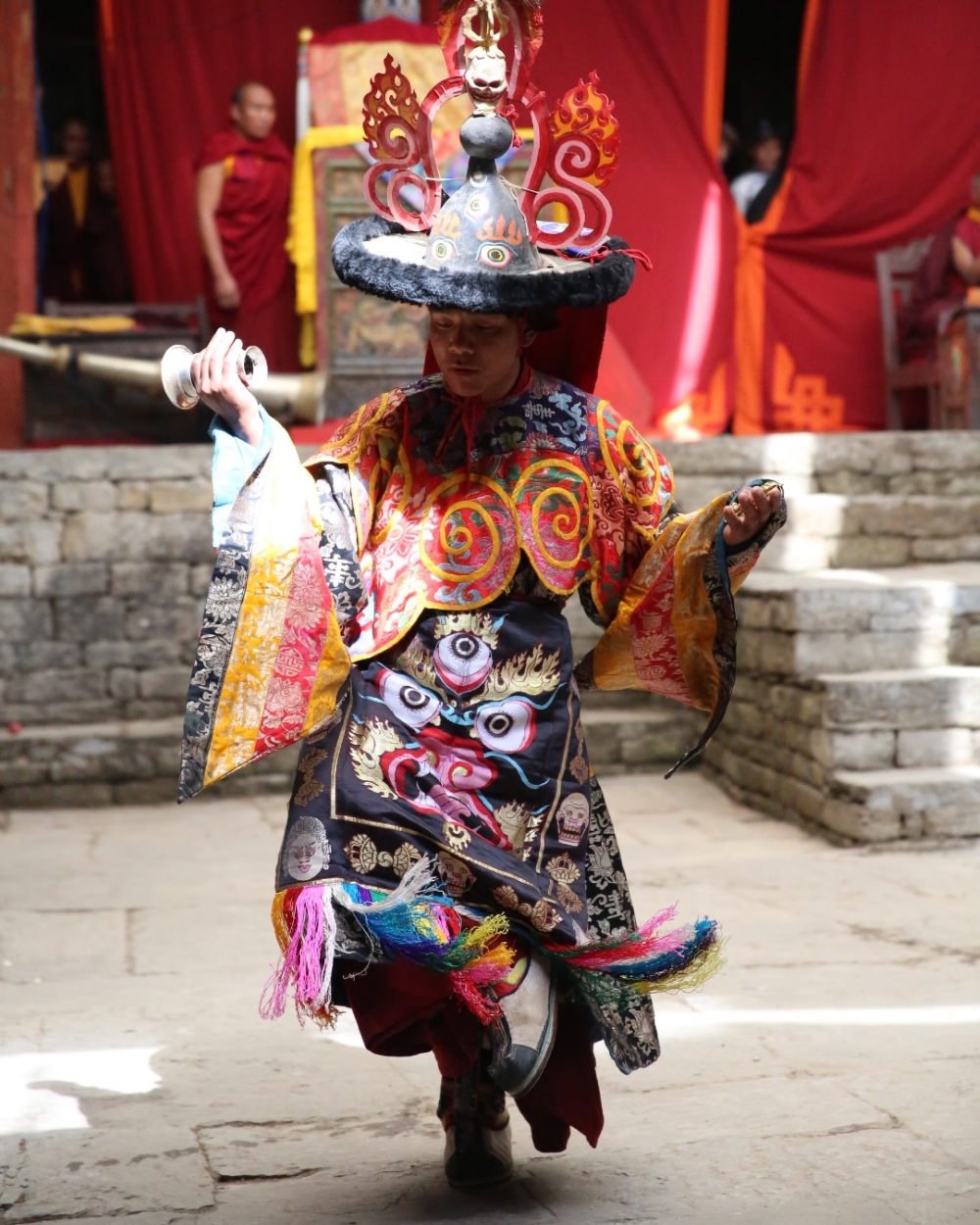
Tiji Festival (Upper Mustang, Typically May)
If you're trekking during the Tiji Festival in Lo Manthang, your permit requirements don't change. The RAP is still required, still costs $50/day, and still requires a licensed guide.
What changes: Availability and timing.
During Tiji Festival (typically mid-May, exact dates announced by the local monastery):
Permits sell out 4–6 weeks in advance
Guesthouses in Lo Manthang book up completely
The trail is crowded with other trekking groups
Prices for guides and accommodation may increase
If Tiji is your goal, book early — at least 2 months ahead. HST's Tiji Festival Trek is specifically timed for this event.
For timing and details, see our dedicated Tiji guide — but operationally, the permits work the same way.
Jeep Tour to Upper Mustang (No Trekking)
The Luxury Upper Mustang Jeep Tour drives to Lo Manthang via road, accessing the same sites without the walking.
Permit requirements: Identical. You still need RAP ($50/day), ACAP ($30), and TIMS ($10). The RAP applies to entering Upper Mustang, whether you walk or drive.
Timeline: Faster. A jeep tour is typically 5–7 days total (vs. 17-day trek). So RAP cost is lower: 3–4 days inside the zone = $150–200 (vs. $500 for a trek with 10 days inside).
Why both exist: Different travellers, different preferences. See our Jeep Tour vs. Trek comparison for which suits you.
Alternative Restricted Areas with Similar Permit Systems
If Upper Mustang is booked or doesn't fit your schedule, Nepal has other restricted areas with similar policies:
- Manaslu Circuit: $50/day RAP (March 22, 2026 onward — just updated to solo allowance)
- Tsum Valley: $45/day RAP
- Upper Dolpo: Varies, but restricted and requires permits
- Nar Phu Valley:$50/day RAP
All follow similar permit logic: RAP (daily rate) + ACAP/regional conservation fees + mandatory licensed guide.
For comparative details, see our Manaslu permit guide.
Seasonal Considerations: When Permits Are Easiest (And Hardest) To Get
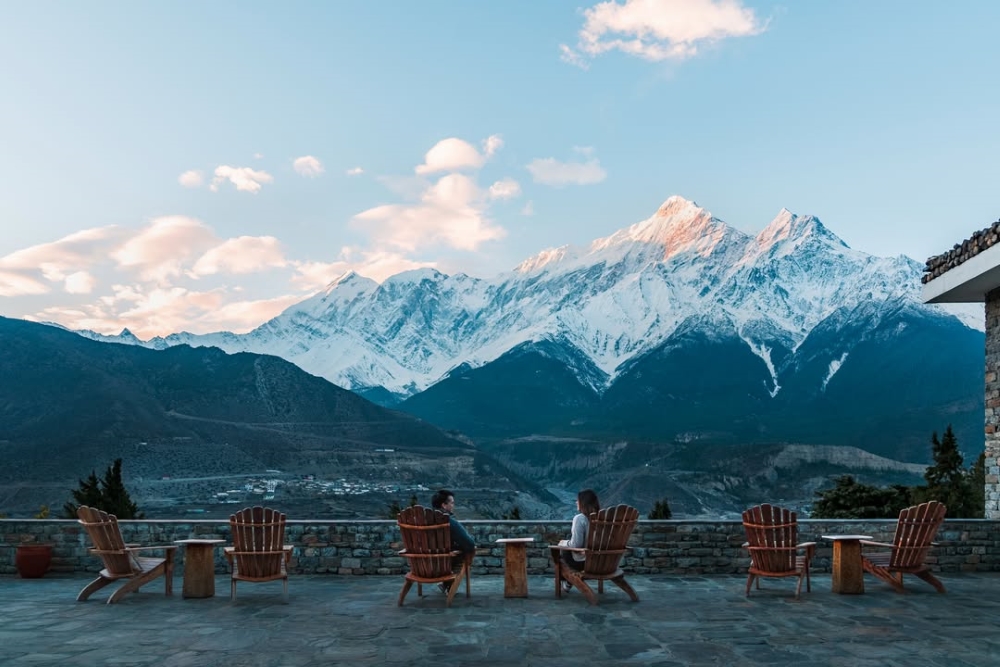
Permit availability and checkpoint speed vary by season.
Peak Season: Spring (March–May)
Permit challenges:
- Applications pile up at DoI
- Processing can stretch to 7 days
- Limited permit quotas (soft caps in some years)
- Tiji Festival (if May) causes permit rush
Solution: Arrive in Kathmandu 2–3 weeks before Jomsom flight. Don't arrive 5 days before.
Monsoon: June–August (The Secret Window)
Permit advantages:
- Fewer trekkers = less demand at DoI
- Processing is faster (usually 3–4 days)
- Permits available on short notice
- Checkpoint staff less rushed
Practical note: Most people think "monsoon = no trekking," so Upper Mustang's rain shadow is less crowded. This is genuinely a good season to trek if you understand the geography. See our Monsoon season guide for details.
Autumn: September–November
Peak season again:
- Classic "best weather"
- Applications backed up (4–7 days)
- Higher guide costs, guesthouse prices
- Full teahouses, crowded trail
Solution: Book 4–6 weeks ahead. Arrive in Kathmandu with buffer time.
Winter: December–February
Quiet season:
- Permits process quickly
- Very few trekkers
- Cold at altitude; some passes can have snow
- Roads less reliable in Lower Mustang
Solution: If you trek in January, permits aren't the bottleneck — weather and flight reliability are.
Honest Mistakes & What Actually Happens When Things Go Wrong
I'm not here to scare you, but I am here to be truthful about what checkpoints actually enforce.
Mistake #1: Wrong Insurance, Rejected at Checkpoint
Reality: It happens. A trekker with medical insurance but no altitude/helicopter clause gets turned around at Kagbeni. They either buy new insurance in Jomsom and reapply (3–7 day delay) or fly home.
How to avoid it: Read your policy's exact language before you travel. Email your insurance provider: "I'm trekking at 3,700 m in Nepal. Does this policy cover high-altitude trekking and helicopter evacuation?" Get a written confirmation or screenshot.
Mistake #2: Visa Number Not on Permit Application
Reality: You arrive in Kathmandu, book with an operator, and they submit the RAP without waiting for your visa number. DoI rejects the application. Delay happens.
How to avoid it: Give your visa number to HST on Day 1–2 of arrival, not before landing. Your visa doesn't exist until you pass immigration.
Mistake #3: Applying Too Late
Reality: You arrive 3 days before flying to Jomsom. Submit the permit application. Hope for 3-day processing. Checkpoints are not negotiable — if the permit isn't in hand, you can't leave Jomsom. You either wait or abandon the trek.
How to avoid it: Arrive 5–7 days before your scheduled Jomsom flight. That's 4–6 days of buffer for processing.
Mistake #4: Checkpoint Rejects You for Another Reason
This has happened — not often, but it has:
Passport damage (faded visa, torn pages)
Missing emergency contact information on TIMS
Trekker's appearance causes concern (very rare, but checkpoints have subjective authority)
Health concerns (if you're visibly unwell, they may refuse entry for your own safety)
How to avoid it: Carry extra photocopies of all documents. Be respectful and patient at checkpoints. If there's any question, HST can facilitate from Jomsom.
Mistake #5: Extending Your Permit When You Shouldn't
Reality: You want to stay longer in Lo Manthang, go to the Department of Immigration office in Jomsom, and extend your permit. This works fine, but you must do it before your original permit expires at midnight on its final day. Extensions cost $50/day.
How this goes wrong: You miscalculate, think you have time, and end up in Lo Manthang when your permit expired at midnight two days ago. This creates a serious problem. Don't do this.
How to avoid it: Track your permit expiration date on paper. Your guide will remind you, but don't rely solely on them.
Why HST Handles This Differently: Our Permit Process
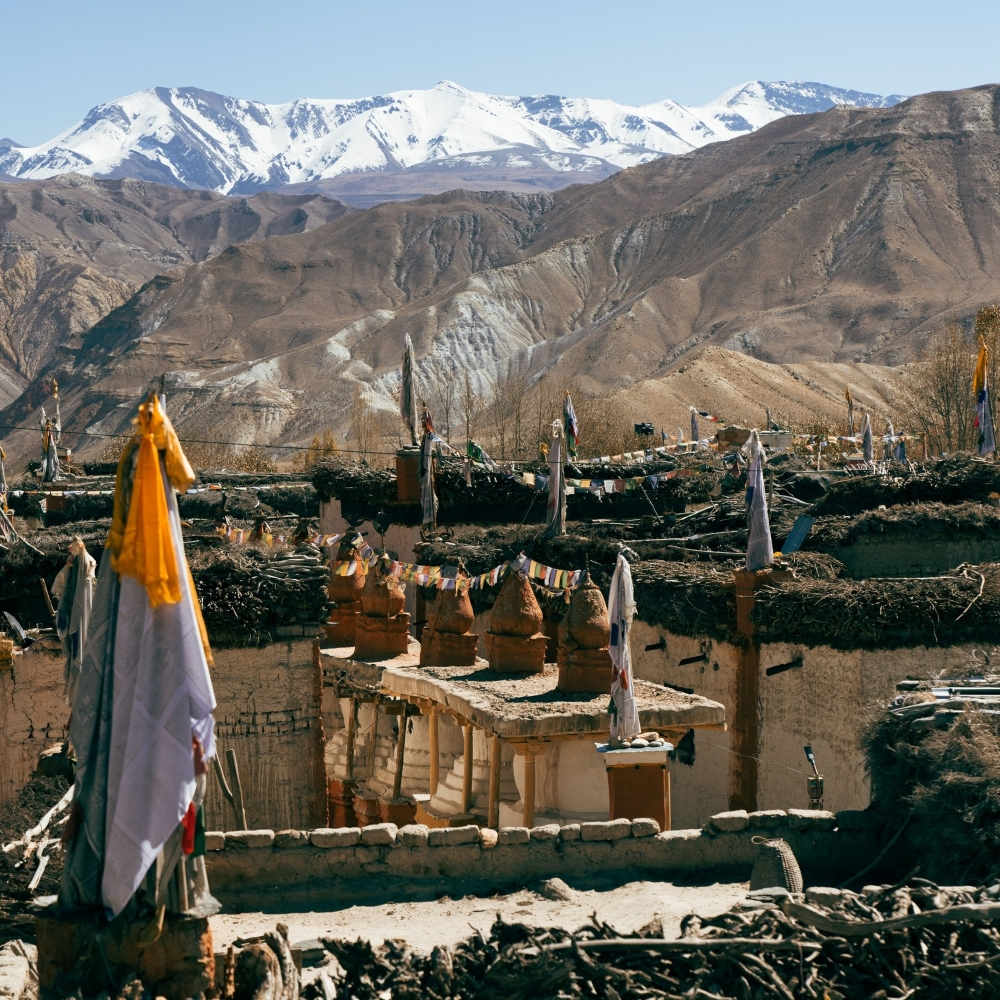
I'll be direct: we don't just file paperwork. Here's what actually happens when you book an Upper Mustang trek with HST.
Day 1–2 (Your arrival in Kathmandu)
You contact us. We ask for:
Visa number (once you've cleared immigration)
Passport number
Passport copy (email or in-person)
4 passport-sized photographs
Full travel insurance details (policy number, provider)
We review your insurance immediately. If it has gaps, we tell you to buy supplemental coverage before we submit the application.
Day 3 (Application submission)
We visit the Department of Immigration in person (not via courier, not via email — in person). We submit:
Your RAP application form
All documents
We get a dated receipt
The processing clock starts. We track it daily, not weekly.
Days 4–10 (Processing + checkpoint coordination)
- DoI processes your application
- We follow up on Day 6 if it hasn't been approved
- Once approved, we collect the permit in person
- We physically carry it to Jomsom (or arrange courier if timing is tight)
- We provide it to your guide before the Kagbeni checkpoint
Why this matters: Permit applications disappear sometimes. Offices lose paperwork. We don't rely on "it's in the system" — we follow it directly.
Your itinerary is structured around permits, not the other way around
If your Jomsom flight is Day 6 and processing isn't complete by Day 5, we push your flight. We don't force you to leave Kathmandu without your permit. You fly when everything is ready.
You're briefed on checkpoint protocol
Your guide briefs you on what to expect at Kagbeni: what documents to have ready, what staff will ask, how the verification process works. No surprises.
We handle extensions if you want to stay longer
If you reach Lo Manthang and decide to stay extra days, your guide coordinates with the DoI office in Jomsom. We extend your permit before you need it, not on the last possible day.
Beyond Permits: What Else You Need Before Trekking
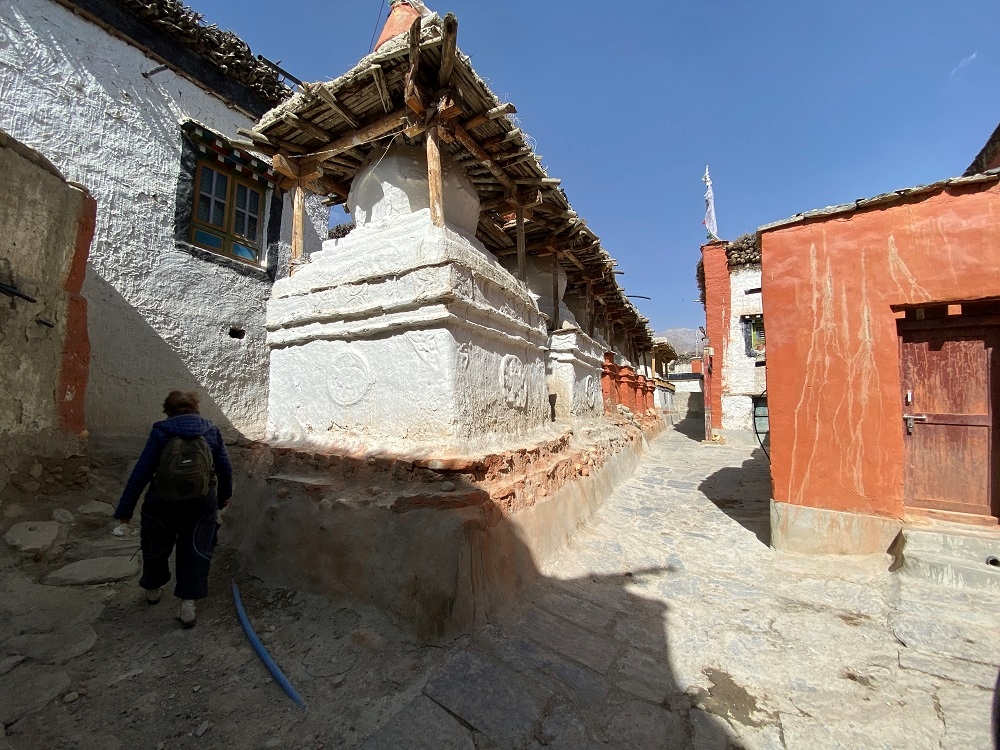
Permits are one thing. Actually trekking Upper Mustang requires more.
Physical Fitness & Acclimatisation
The trek is graded strenuous — not because it's technical, but because you spend 10 days above 3,000 m, cross 5 high passes (up to 4,010 m), and walk 5–7 hours daily. Altitude impacts people unpredictably.
HST's acclimatisation approach:
We brief you on altitude symptoms (headache, nausea, fatigue)
We structure the itinerary with acclimatisation days built in (e.g., Day 10 is a full exploration day in Lo Manthang, not a hiking day)
Your guide watches for altitude sickness and adjusts pace accordingly
We carry a medical kit with altitude medication (available if needed)
Prepare beforehand: 4–6 weeks of cardio + at least one prior trek at 2,500 m+. The Annapurna Base Camp Trek is ideal preparation.
Gears For Mustang
You need proper mountain gear — not luxury, but functional. Sleeping bag rated to -5°C, warm layers, good boots, weatherproof jacket, sun protection.
HST provides a detailed packing list at booking. The region is arid, so dust protection (sunscreen, sunglasses, buff/scarf) matters as much as rain gear.
See our Upper Mustang packing guide for specifics.
Money & Payments
Plan for:
Permit costs (handled by HST, but part of your budget)
Guide & porter fees (included in HST package)
Personal expenses (teahouse tea, snacks, tips, toiletries, etc.) — budget $100–150 total for 17 days
Contingency funds (flight delays, extensions, unexpected costs)
Bring USD cash or cards that work in Nepal. ATMs in Jomsom and Pokhara; none in Upper Mustang. Teahouses accept cash only.
Permits for Other Restricted Areas (If Comparing)
If you're weighing Upper Mustang against Manaslu Circuit or other restricted areas, note that permit logic is similar but not identical. Manaslu's RAP is also $50/day (as of March 2026, same update as Upper Mustang), but the conservation area structure differs. See individual guides for each region. Learn More on Solo Travelling to Mustang.
The Bigger Picture: Why These Permits Exist & What They Protect
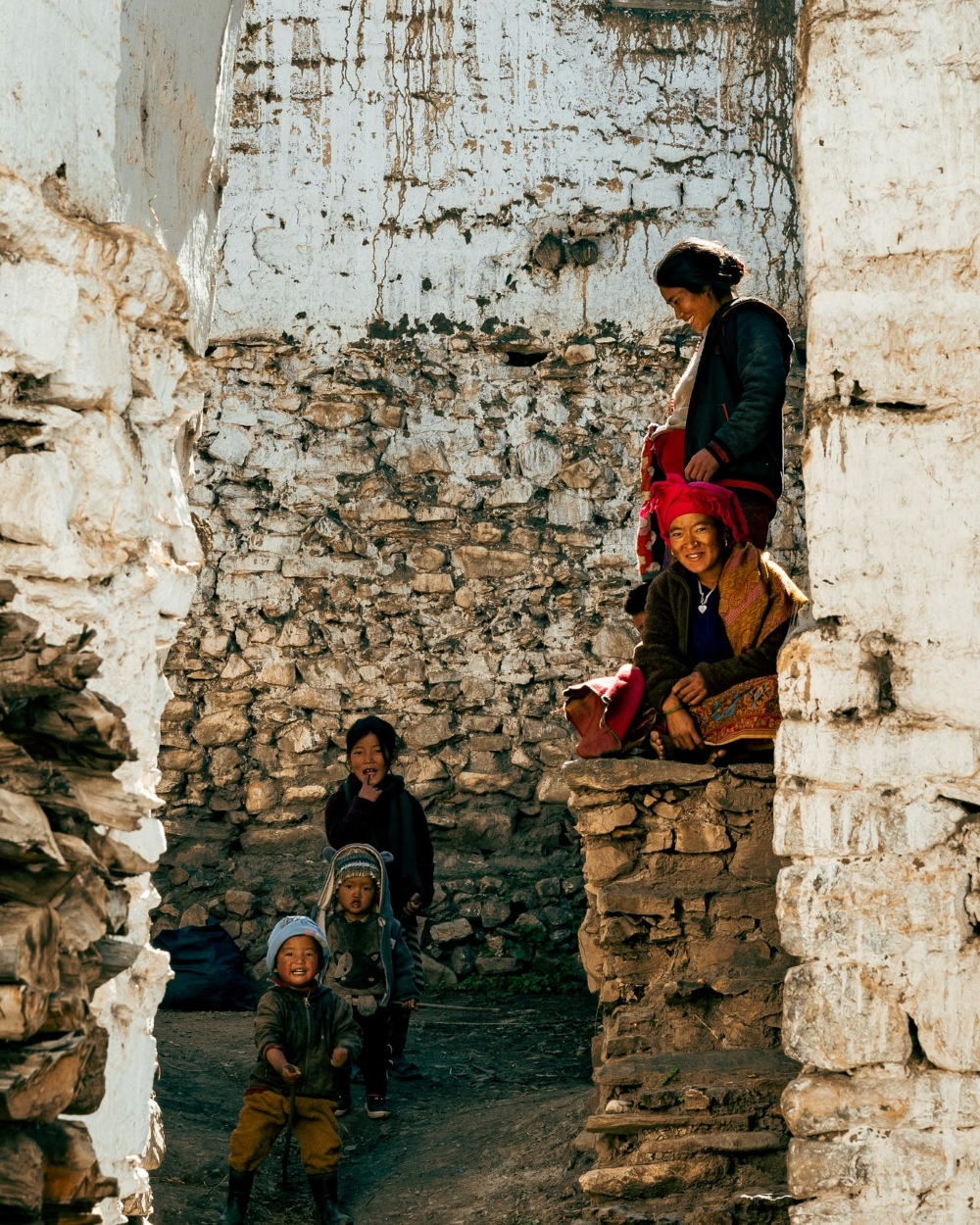
This is the context most permit guides skip, but it matters for understanding why you're filling out forms.
Upper Mustang's permit system isn't bureaucratic friction. It's intentional conservation policy.
The Kingdom of Lo was a closed society for centuries. It only opened to foreigners in 1992, and deliberately under strict controls. The government didn't impose these limits lightly — they chose to protect something: the landscape's fragility, the culture's insularity, the economy's reliance on small-scale farming and trade rather than mass tourism.
The permits fund:
Local infrastructure (roads, schools, health clinics)
Cultural preservation (monastery maintenance, monastic education)
Environmental protection (watershed management in an arid region)
Employment (guides, porters, guesthouse staff)
When you pay $50/day for the RAP, that money doesn't go to a distant bureaucracy. It flows to local government development in Mustang district, directly supporting the communities you're walking through.
This is why the permit system isn't going away, why solo access was carefully gated (not abolished), and why guides are mandatory. It's managed access, not restricted tourism — there's a meaningful difference.
For HST's philosophy on this, see our Why We Operate This Way page.
How To Book
If you're ready to trek Upper Mustang or explore Lower Mustang, here's what happens:
Option 1: Upper Mustang Trek (17 days, full experience)
→ See our Upper Mustang Trek page
Option 2: Upper Mustang Jeep Tour (5–7 days, no trekking)
→ See our Luxury Upper Mustang Tour page
Option 3: Tiji Festival Trek (timed for May festival)
→ See our Tiji Festival Trek page
Option 4: Lower Mustang Trek (open, no RAP needed)
→ Email us for custom itineraries
To begin:
Contact HST with your dates and preferences
We confirm availability
You send deposit + booking details
We lock your itinerary
You arrive in Kathmandu on your scheduled date
We handle permits, guides, everything else
Send an enquiry or call +977 9851083619.
FAQs
Q: Can I get the Upper Mustang permit before arriving in Nepal?
No. It can only be processed once you're in Nepal with your official visa number. This is a firm government rule. No exceptions.
Q: Do I need a guide if I'm going to Lower Mustang only?
No. Lower Mustang has no mandatory guide requirement — it's an open trekking zone. However, a guide enriches the experience significantly. You see villages differently, understand the culture better, and support local employment. We recommend one even though it's not required.
Q: Can I do Upper Mustang as part of a larger Nepal trip without trekking the full 17 days?
Yes. The jeep tour option does Lo Manthang in 5–7 days. You still need the RAP (calculated for actual days inside the zone), but you can combine it with other Nepal activities. See the Short Upper Mustang Jeep Tour.
Q: What if I arrive in Nepal and discover my insurance doesn't cover trekking? Can I buy new insurance in Kathmandu?
Yes, insurance brokers in Kathmandu can sell you mountain-specific policies. It takes 1–2 days and costs more than buying at home ($80–150). Have HST submit your original insurance with the application; if rejected, buy supplemental coverage and resubmit. This adds 3–7 days to your timeline.
Q: Is the $50/day RAP final, or can it increase?
The rate has been $50/day since March 2026. Could it change? Possibly, but Nepal's government changes major policies slowly. Monitor HST's updates if you're booking far in advance.
Q: What's the difference between a guide and a porter? Do I need both?
A guide is a licensed trekking professional trained in mountain safety, cultural knowledge, and client management. A porter carries your gear (typically 15 kg max). You need a guide; porters are optional but highly recommended. On our treks, porters carry the bulk load, so you walk with only day essentials.
Q: Can I use a guide from a previous Nepal trek for Upper Mustang?
Only if they're licensed and registered with HST (or your current operator), their previous work doesn't matter — registration and licensing do. And Upper Mustang guides need specific experience. We assign guides accordingly.
Q: Does the RAP cover jeep tours, helicopter tours, and trekking equally?
Yes. The RAP applies to entering Upper Mustang, regardless of transportation method. $50/day whether you walk, drive, or fly.
Q: How do I know my guide is actually licensed?
Licensed guides carry a government ID card and trekking certificate from Nepal's Department of Tourism. Ask to see it. If they don't have it, they're not legal. HST guides carry full credentials.
Q: Can I change my trek dates after submitting the RAP application?
Only if you haven't travelled yet. If you need to change dates, contact HST immediately. A new application may be required (slight delay). Once you enter at Kagbeni checkpoint, your permit dates are locked.
Q: What if I get sick or injured and have to leave early? Does the RAP get refunded?
No. Once issued, the RAP is non-refundable. This is why emergency insurance and evacuation coverage are so important. Your insurance covers the medical costs; the permit fee is sunk.
Q: Is the permit check the only checkpoint in Upper Mustang, or are there others?
In practice, Kagbeni is the main checkpoint. There are military/police checkpoints further north (Syangboche, Lo Manthang), but they spot-check; Kagbeni is the enforcement point. Have your permit accessible and your guide with you at all times.
Q: Can I trek Mustang in June and July (monsoon)?
Absolutely — this is counterintuitive, but Mustang sits in the rain shadow of Annapurna and Dhaulagiri, so it stays dry while the rest of Nepal gets monsoon rain. The trail is quieter, permits process faster, and the landscape is genuinely beautiful. See our monsoon season guide for details.
Q: Do I need vaccination proof for Upper Mustang?
Nepal doesn't enforce COVID vaccination requirements currently (as of 2026). Check with your country's requirements before departure. Standard Nepal vaccinations (tetanus, typhoid, hepatitis A) are recommended; check with your doctor.
Q: What's the weather like during my Mustang trek?
Spring: 5–20°C (altitude dependent), clear skies, possible rain in lower sections.
Monsoon: 10–25°C, clear in Upper Mustang, strong afternoon wind.
Autumn: 5–15°C, brilliant clarity, strong afternoon wind in Kali Gandaki.
Winter: -5–10°C (can drop to -20°C at night), occasional snow on high passes.
See our seasonal guide for details.
Q: What's the difference between HST's trek and a budget operator's trek?
This is worth being honest about. Budget operators may undercut our prices by $200–400 per person. Here's what differs:
- Guides: We pre-brief guides on your preferences and needs specifically. Budget operators assign guides day-of, generically.
- Logistics: We track permits in person. Budget operators may rely on government processing alone.
- Group size: We cap groups at a smaller. Budget operators run larger groups to reduce per-person costs.
- Communication: We're responsive to changes and problems. Budget operators are less flexible.
- Insurance/safety: We require proper evacuation insurance and have emergency protocols. Budget operators may be less rigorous.
You get what you pay for. HST focuses on experience, not volume. If price is the only factor, find a cheaper operator. If experience and reliability matter, we're your choice.
Q: Can I combine Lower and Upper Mustang in one trip?
Yes — the typical itinerary hits Lower Mustang (Jomsom, Kagbeni) on the approach, then enters Upper Mustang. So a single trek covers both. Alternatively, you can do Lower Mustang only (trekking or jeep tour), with no RAP needed.
Q: Should I hire a porter, or is it optional?
It's optional, but we recommend it. A porter carries your main gear (15 kg max), leaving you with only a daypack. This makes hiking easier at altitude. Cost is ~$25–35/day. Most trekkers find it worth it — you arrive at camp less exhausted, which matters when you're fighting altitude.
Conclusion
Permit confusion is almost always a zone problem. Once you know whether you're staying south of Kagbeni (Lower Mustang, ACAP only) or heading north (Upper Mustang, RAP required), the paperwork stops being complicated.
Lower Mustang is simple: $40 in permits, no guide required, accessible year-round.
Upper Mustang is more involved: $500–550 in permits, licensed guide mandatory, applications take 3–7 days to process. But that process, and that cost, is what's kept the walled city of Lo Manthang intact for six hundred years while most of the world has turned into another version of itself.
The permits aren't a barrier. They're part of what makes Upper Mustang worth walking to.
Ready to plan your trek? Contact HST directly — we handle everything else.
Send an enquiry | Call +977 9851083619 | Explore trek options