Every June, I get some version of the same message: "Is it even worth coming to Nepal right now? Isn't it monsoon?" And every June, my answer depends entirely on where they're going. If it's Annapurna or Everest, I tell them to wait. If it's a Mustang, I tell them to book.
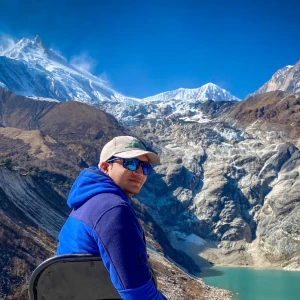
Mustang sits north of the main Himalayan spine, tucked behind Annapurna and Dhaulagiri, in a rain shadow. The monsoon comes up from the Bay of Bengal, hits the southern face of the Himalayas, and drops almost everything it's carrying before it ever reaches the plateau. I've stood in Kagbeni in the middle of July under a sky so clear it looked like October, while friends messaging from Pokhara were watching the second week of solid rain. Same country, same week, two completely different climates.
This isn't a secret exactly — it's on our when-to-visit-mustang guide too — but it's the kind of fact people forget under the general assumption that "monsoon" means "cancel Nepal." It doesn't. It means being specific about where in Nepal.
Why Rain Doesn't Reach Mustang: The Mechanics of a Rain Shadow
It's worth explaining this properly, because "rain shadow" gets used loosely and most people nod along without actually picturing what's happening.
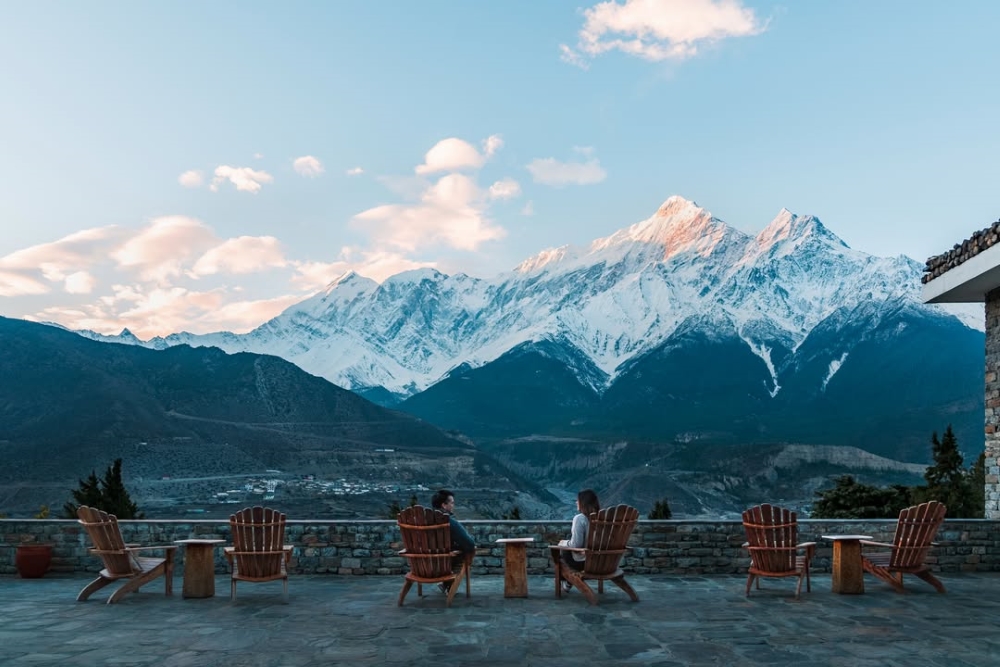
Monsoon moisture arrives from the Bay of Bengal, travelling north across the Indian plains until it hits the Himalayan wall. Annapurna and Dhaulagiri — two of the highest ranges on earth, both over 8,000m — sit almost side by side directly south of Mustang, forming a barrier the moist air has to climb. As that air rises up the southern slopes, it cools, condenses, and drops as rain — this is why Pokhara, sitting right at the base of that barrier, is one of the wettest places in Nepal during monsoon.
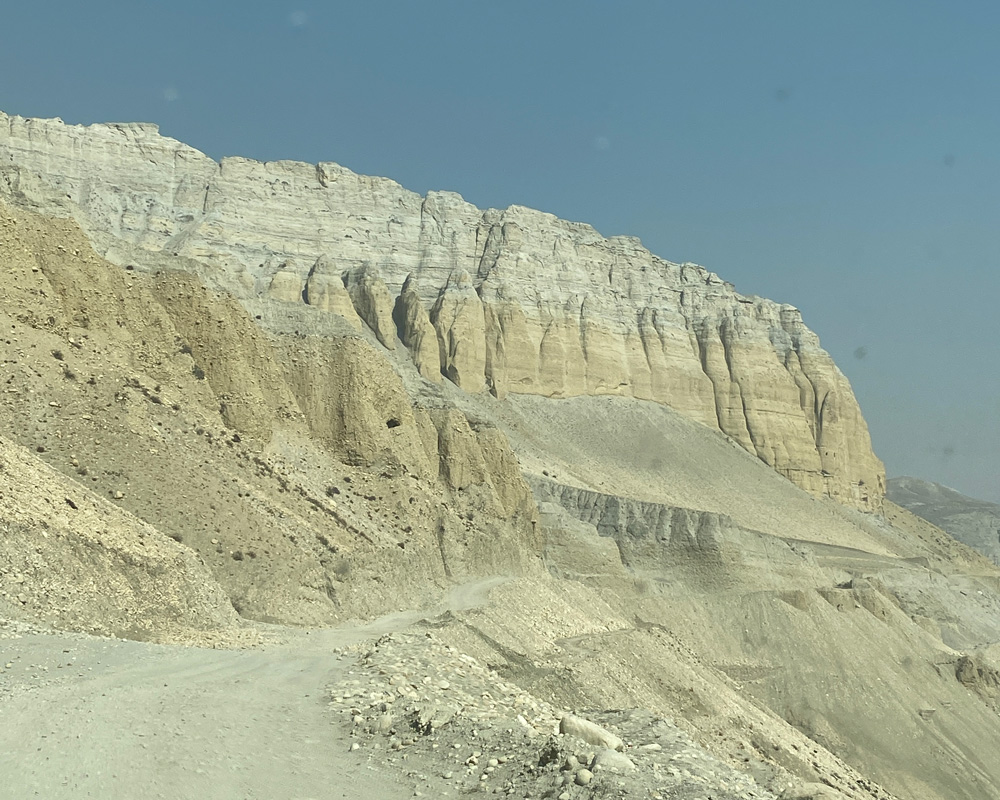
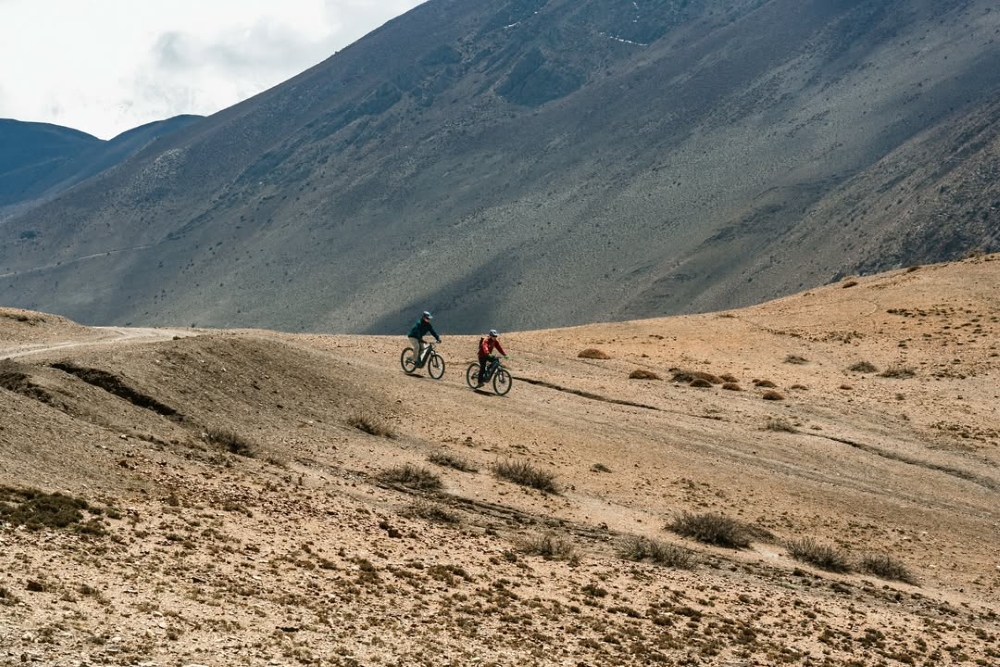
By the time whatever air makes it over the top of Annapurna and Dhaulagiri reaches Mustang on the northern side, it's already lost most of its moisture. What comes down the other side is dry, descending air — the opposite of what fell on Pokhara a few hours earlier. This is the same mechanism that makes deserts sit behind mountain ranges worldwide; Mustang's landscape, arid and eroded rather than green, is the physical evidence of it.
It's also why the effect is consistent rather than a monsoon-season fluke. The ranges don't move, so the barrier doesn't change — which is why Mustang stays dry in July the same way it stays dry in January. It's built into the geography, not the season.
What June and July Actually Feel Like in the Mustang region
Days in the Mustang valley run dry and bright, typically 10–25°C in Jomsom. Nights cool off fast, more so the further north you go toward Lo Manthang, so evenings still call for a proper layer.
The one thing that doesn't change with the season is the wind. Every afternoon, the Kali Gandaki corridor turns into a wind tunnel between Annapurna and Dhaulagiri — this happens in October just as much as it does in July, so don't mistake it for a monsoon effect. It's simply how this valley behaves. Mornings are still and clear; by early afternoon, you want to already be where you're sleeping that night.
Village Life of Mustang in June and July
This is the part people don't expect. Autumn Mustang is festival season — Tiji fills Lo Manthang with crowds, performance, and a packed trail. Summer Mustang is working season.
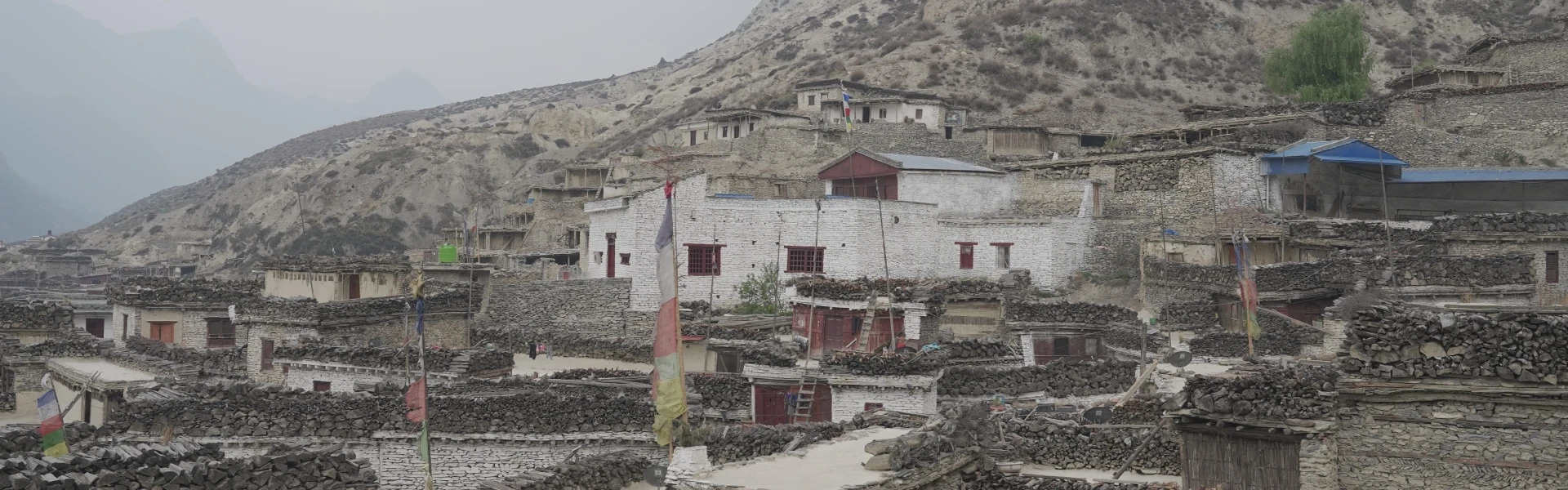
June and July are irrigation and barley months. You'll pass fields being worked in Chele, Geling, and Tsarang the way they have been for generations, without a festival calendar shaping the rhythm of the day around visitors. Monasteries are quieter too — not staged for Tiji audiences, just monks going through an ordinary week, which sometimes means more room for an actual conversation rather than a viewing.
It's a different kind of Mustang. Less spectacle, more of what daily life here actually looks like.
Light and Photography in the Monsoon Window of an Ancient Kingdom
One thing worth knowing if you're bringing a camera: the light in June and July is often better than autumn's. Peak season haze builds up over the Kali Gandaki valley by October; monsoon-window air is cleaner, and the cloud that does build up over the southern ranges creates contrast against Mustang's ochre cliffs that flat autumn skies don't give you. Early morning, before the wind picks up, is still the best window for this — that part doesn't change with the season.
What You Actually Gain by Going Mustang in June and July
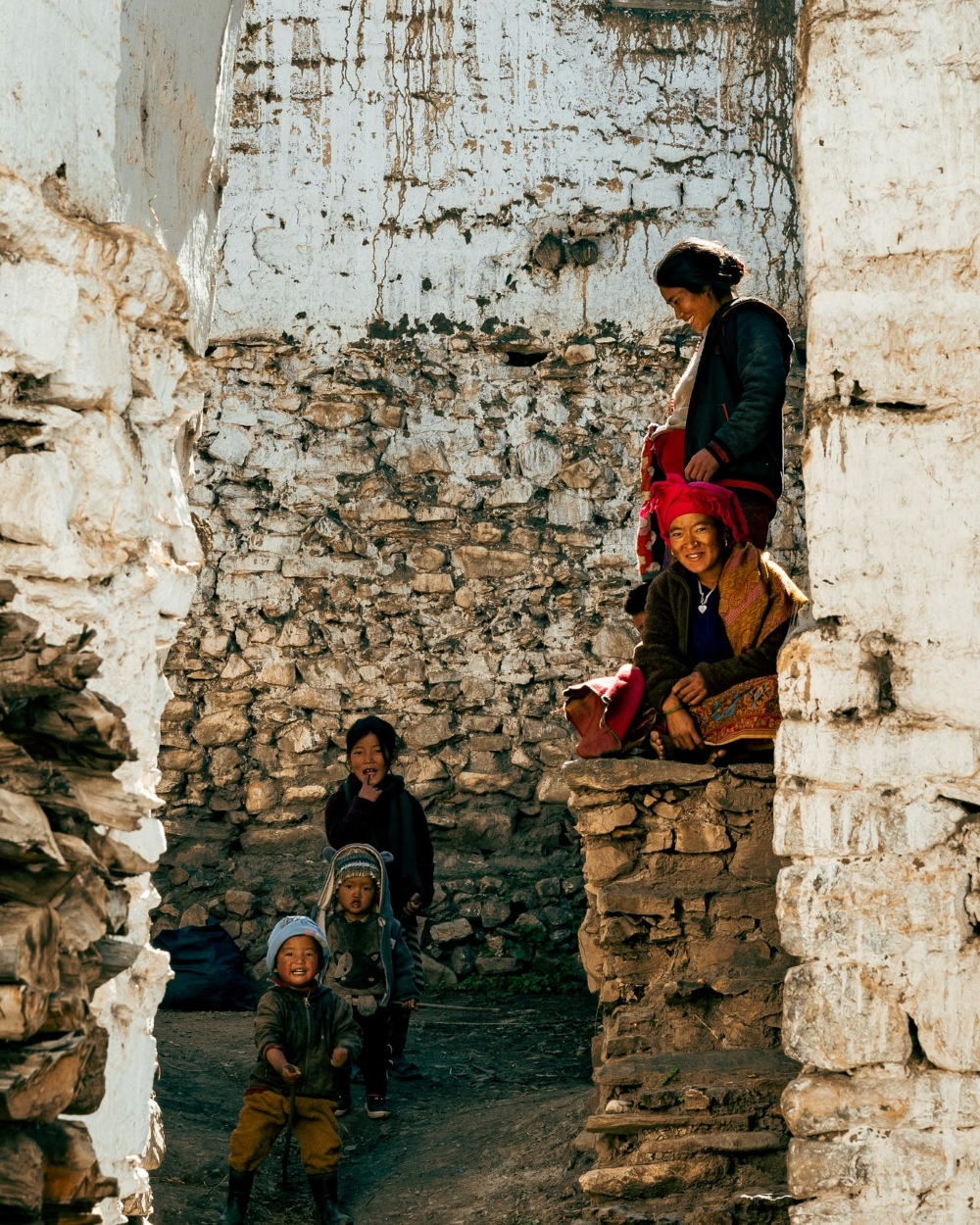
This is the part that changes people's minds once they hear it straight.
The trail between Jomsom and Lo Manthang, which can feel crowded through Chele and Ghami in peak autumn, is quiet in June and July. Guesthouses have space without three weeks' advance booking. There's no scramble for permits at the checkpoints. And because Mustang's terrain is arid and largely unaffected by rainfall, the landscape you see in July looks close to identical to what you'd see in October — the eroded cliffs, the ochre canyon walls, none of it depends on season the way lower Nepal does.
I'll be honest about who this actually suits: people who've already done a Himalayan trek or two, who aren't chasing the "best" season for its own sake, and who'd rather have Lo Manthang mostly to themselves than share it with fifteen other trekking groups.
Where the Real Planning Happens
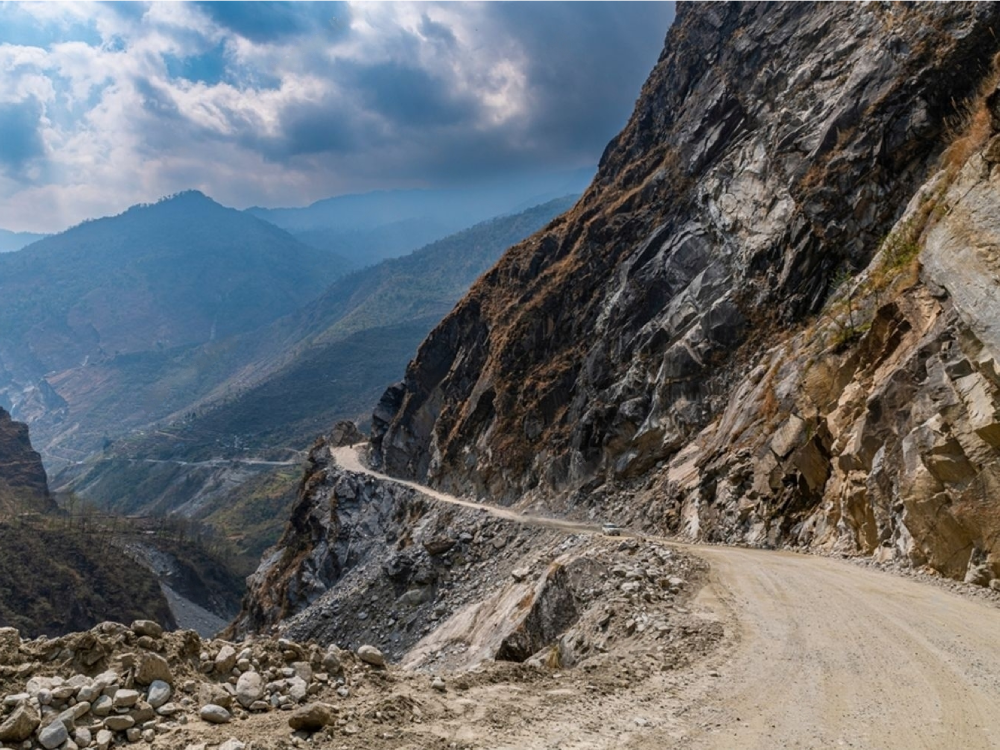
Mustang stays dry. The road to it doesn't.
The jeep route from Pokhara to Jomsom crosses the wetter, southern side of the Himalayas before it ever reaches the rain shadow, and that stretch can see landslide disruption during heavy monsoon weeks. Jomsom flights, which are wind-sensitive at the best of times, pick up an extra layer of unpredictability from cloud cover on the southern approach.
This is exactly where the difference between booking a date online and working with someone on the ground shows up. We track road and flight conditions through the monsoon weeks day by day, not by checking a forecast the morning of departure, and we build a buffer into the itinerary so a delay in Pokhara doesn't collapse the whole trip. If you've read our guide on how we handle logistics in Mustang, this is the piece that matters most in June and July specifically.
Since 2026, the RAP for Upper Mustang can be obtained by solo trekkers with a licensed guide, rather than requiring a fixed group booking — a real shift for anyone who wants Lo Manthang without joining someone else's schedule. For exactly how the permit process works, see our full Upper Mustang permit guide.
Lower vs. Upper Mustang in This Window
Both stay open through the monsoon months.
Lower Mustang — Marpha, Kagbeni, Jomsom, Muktinath — is generally accessible by road when conditions cooperate, and doesn't require the restricted area permit.
Upper Mustang — the route north to Lo Manthang — still requires the RAP regardless of season. Since 2026, solo trekkers can obtain it with a licensed guide rather than needing a fixed group, which has quietly opened this route to a different kind of traveller — the one who wants the walled city on their own terms, not on a group's schedule. We cover the full cost breakdown in our Mustang trip cost guide if you're working out a budget.
Having trouble deciding which Mustang region to choose? Here for a more detailed comparison of Upper Mustang and Lower Mustang.
Who Should Actually Book This Window
Not everyone. If this is your first trip to the Himalayas and you want the postcard version — Tiji Festival, apple harvest, the classic clear-sky autumn shots — go in October. But if you've already had that trip, or a version of it somewhere else in the world, and what you actually want is the walled city without the crowd around it, June and July stop being a compromise. They become the smarter call.
What to Pack for the Pokhara–Jomsom Leg (Not Mustang Itself)
Here's the packing mistake people make: they gear up for monsoon Mustang and end up carrying rain shells they never use once they're past Jomsom. The wet weather is on the road in, not in the valley itself.
Pokhara → Jomsom (Before Entering Mustang)
Pack a lightweight rain shell or waterproof jacket.
Keep clothes and electronics inside dry bags or waterproof liners.
Be prepared for rain, low clouds, or wet road conditions, especially during the monsoon.
If flying, weather delays are more common on this section due to cloud cover.
Jomsom → Upper Mustang (Inside Mustang)
Rain gear becomes far less important and usually stays in your bag.
Pack high-SPF sunscreen, sunglasses, and a wide-brim hat for the intense UV exposure.
Carry a buff or scarf to protect against the strong afternoon winds and dust in the Kali Gandaki Valley.
Bring a warm insulated jacket or fleece for cold mornings and evenings, especially near Lo Manthang.
Prioritise dust protection over rain protection—sunglasses and a buff are used daily, while a rain jacket is rarely needed.
If you're starting from Kathmandu rather than already in Pokhara, the routing decision matters more in monsoon season than it does in autumn, since it affects how much of the wetter southern approach you're exposed to. Here's how we typically route clients from Kathmandu to Jomsom.
FAQs
Does it rain in Mustang during the monsoon season?
Rarely, and lightly when it does. Mustang sits in the rain shadow of the Annapurna and Dhaulagiri ranges, so it stays largely dry through June, July, and August while the rest of Nepal is under monsoon rainfall.
What's the weather like in Mustang in June and July?
Daytime temperatures in Jomsom run 10–25°C with clear skies and strong afternoon wind. Nights are cooler, especially further north toward Lo Manthang.
Is Upper Mustang open during the monsoon?
Yes. Upper Mustang is accessible year-round, and the Restricted Area Permit is required regardless of season. Since 2026, solo trekkers can obtain the RAP with a licensed guide.
Is the road from Pokhara to Jomsom safe in the monsoon season?
It can be affected by landslides on the wetter southern side of the Himalayas during heavy rain. This is why timing and route monitoring matter — we track conditions daily and build buffer days into monsoon-season itineraries.
Is June or July a good time to trek in Mustang?
For travellers who want a quieter trail, easier guesthouse availability, and no autumn-season permit rush, yes. Mustang's arid landscape barely changes with the seasons, so you're not trading much in scenery for what you gain in solitude.
Can you see Annapurna or Dhaulagiri from Mustang during the monsoon?
Yes, from the valley floor looking south. The monsoon clouds sit on the far, southern side of these ranges, so Mustang's own skies stay clear even when the peaks themselves are wrapped in cloud from the other direction.
Do you need rain gear for the Upper Mustang trek itself?
Not really. Pack a light shell for the Pokhara–Jomsom transit, where you might hit actual rain or low cloud. Once you're on the Jomsom–Lo Manthang route, dust and wind are the bigger daily factors, not rain.
Is the Tiji Festival held during the monsoon months?
No — Tiji runs in spring, well before the June–July window this guide covers. If Tiji itself is the draw, that's a separate trip on a separate calendar, not this one.
How long is the Upper Mustang trek?
Most itineraries run 10–14 days, depending on route and pace. For the full day-by-day breakdown, see the Upper Mustang Trek route guide.
The Bottom Line
Most of Nepal runs on one seasonal calendar. Mustang runs on its own, and once you know that, monsoon stops being a reason to wait and starts being a reason to move your dates up. It's not a workaround or a backup plan — it's simply a different, quieter way into the same walled city everyone else is fighting over in October. The trade-off isn't in what you'll see. It's in how much company you'll have while you see it.
Ready to plan around this window? Explore the Luxury Upper Mustang Jeep Tour for a comfort-first route through Kagbeni, Ghami, and Lo Manthang, or the full Upper Mustang Trek if you want it on foot.
If you're weighing a June or July date and want a straight answer on conditions before you commit, get in touch directly — we'll tell you honestly whether it's the right call for your dates