Most trekkers dread acclimatisation days. They picture a forced rest day — sitting in a teahouse, watching time pass, worrying about whether their lungs are working properly. That's not what acclimatisation days look like when a trek is designed properly.
In twenty years of guiding and operating treks across Nepal, the acclimatisation day is consistently where the most memorable moments happen. Not on the summit push. Not at base camp, on the slow day that most itineraries treat as a logistical necessity.
This is a guide to what those days can actually look like — across five of Nepal's most rewarding trekking routes — and which lodges make rest feel like the best decision you ever made.
Why Acclimatisation Days Exist (And Why Rushing Them Is a Mistake)
Before we get into the experiences, let's be clear about what acclimatisation actually is.
When you gain altitude quickly, your body struggles to adapt to reduced oxygen levels. Symptoms range from mild headaches and fatigue to serious altitude sickness. The standard protocol — climb high, sleep low — means spending an extra night at the same elevation before continuing upward, sometimes with a short hike to a higher point during the day.
Most operators treat this as dead time. I don't.
An acclimatisation day handled well does three things simultaneously: it protects your body, deepens your connection to wherever you are, and gives you experiences that the people rushing through the same route will completely miss.
The physiology is also worth understanding. Your body needs roughly 24 to 48 hours at a new altitude before red blood cell production adjusts meaningfully. Forcing a summit push before that window closes doesn't make you tougher — it makes you slower, more miserable, and genuinely at risk. The mountain will still be there tomorrow. Your window for experiencing it properly may not be.
Everest Region: Namche Bazaar and Dingboche
The Everest Base Camp Trek has two mandatory acclimatisation days — at Namche Bazaar (3,440m) and Dingboche (4,410m). These are not optional stops built around comfort. They are non-negotiable altitude management. What you do with those days, though, is entirely your choice.
Namche Bazaar: The Acclimatisation Day Most People Waste
Namche is the last real town before the high Himalayas begin. Most trekkers use their acclimatisation day here to walk up to the Everest View Hotel viewpoint, take some photos, and come back for dal bhat. That's fine. It's not enough.
What I do with clients here:
The morning starts with a short hike up to the Sagarmatha National Park Headquarters viewpoint — not just for Everest, but for the first clear sightline to Ama Dablam, which most people don't expect to be the most beautiful thing they see on the entire trek. It usually is.
From there, depending on the client, we either walk to Khumjung village — home to one of the oldest Hillary schools and a gompa that keeps what locals claim is a yeti scalp — or we drop back into Namche for a proper Sherpa cooking experience.
The Sherpa cooking class at Namche deserves its own mention. This isn't a tourist setup. My guide Suman arranges a session with a local Sherpa family where you learn to make tingmo (steamed bread), Sherpa stew, and butter tea. You eat what you cook. You sit where the family sits. The conversation that happens over that meal — about life at altitude, about the 2015 earthquake, about what Sherpa culture actually values — is worth more than any mountain view.
By early afternoon, you're back at the lodge, warm, fed, and genuinely rested. Your body is adapting. You haven't wasted a single hour.
Hotel Everest View is worth mentioning here because it represents a specific philosophy: a lodge built entirely around the idea that the view is the amenity. A stay here — sometimes used as a side excursion during the Namche acclimatisation day — gives you Everest, Lhotse, Ama Dablam, and Nuptse from your bed. The full Hotel Everest View cost breakdown is on the blog.
Where to Stay in Namche
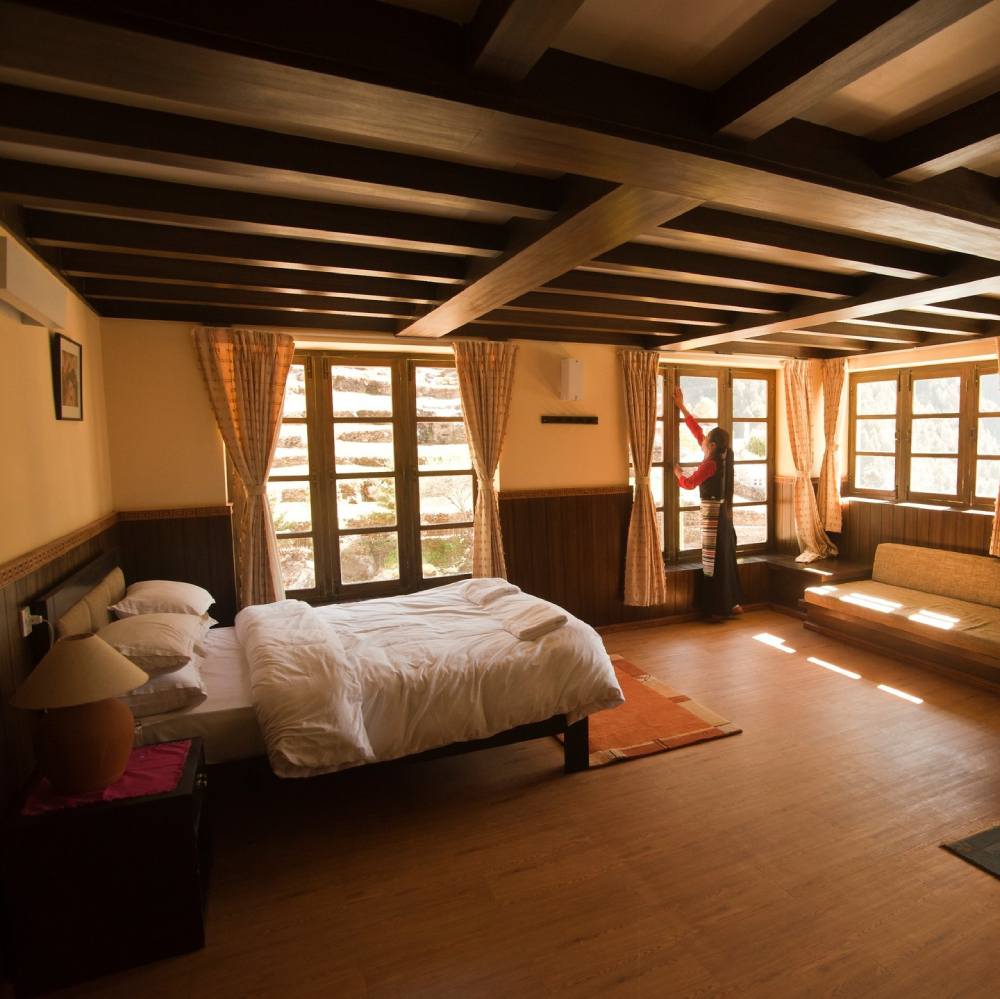
Mountain Lodges of Nepal — Namche Lodge is the property I consistently recommend here. It sits at the edge of town with unobstructed Kongde Ri views, en-suite heated rooms, and a kitchen that takes food seriously. It's not a luxury hotel in the conventional sense — it's not trying to be. What it gives you is warmth, silence, and a quality that makes rest actually restorative rather than just functional.
If you want the full luxury experience on EBC, the Luxury Everest Base Camp Trek guide covers the full lodge-to-lodge breakdown in detail.
Dingboche: The Acclimatisation Day That Earns the Summit
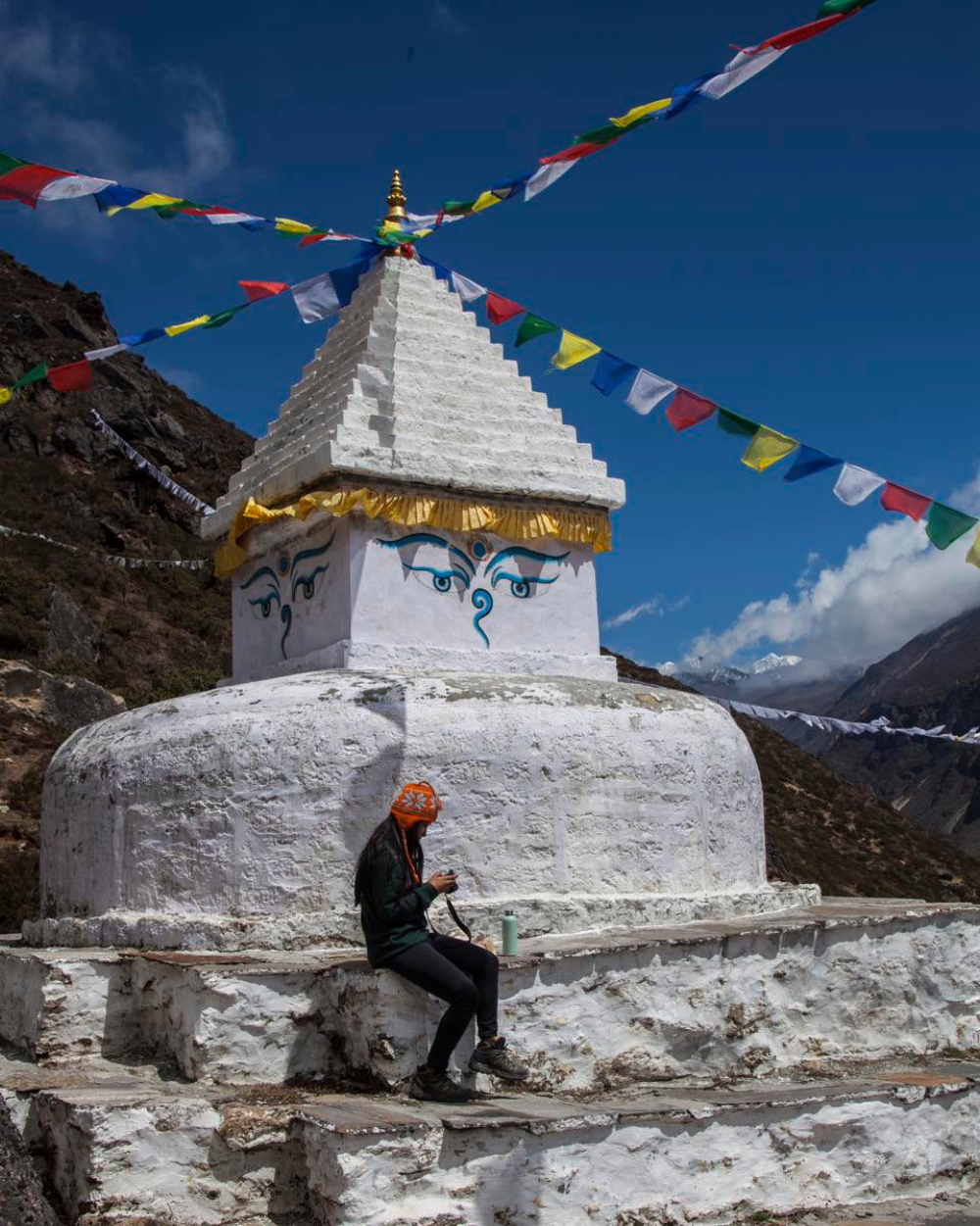
By the time you reach Dingboche, the landscape has shifted completely. You're above the treeline, in a wide glacial valley ringed by Lhotse, Makalu, and Island Peak. The air is thin. The light is extraordinary.
The standard acclimatisation hike here goes up to Nagarjun Hill (5,100m) — a short but steep climb that gives you your first real high-altitude perspective before the push to EBC. Most guides treat this as a tick-box exercise. Done right, it's a slow, deliberate ascent where you stop frequently, breathe consciously, and actually look at what's around you.
Afternoons at Dingboche should involve nothing except tea, reading, and an early dinner. The lodges that understand this don't try to fill your time. They give you space.
Tengboche Monastery: Not Just a Photo Stop
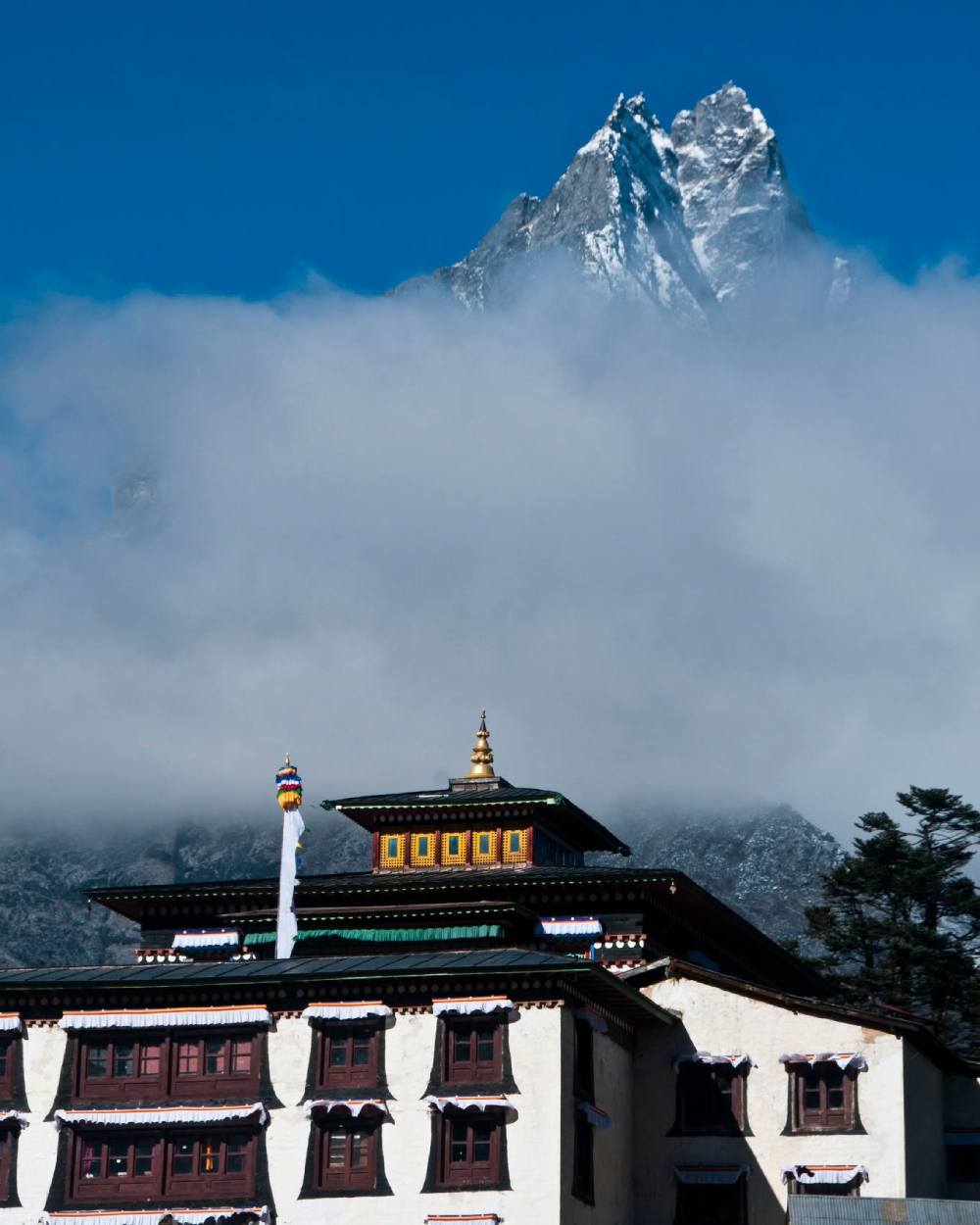
Between Namche and Dingboche, most itineraries pass through Tengboche (3,860m). This isn't technically an acclimatisation stop, but I built in time here because Tengboche Monastery is one of the most important Buddhist sites in the Khumbu — and walking past it for a photo is genuinely a shame.
If you time it right, you can attend morning or evening puja — a 45-minute session of chanting, drums, and incense that fills the main hall. There's no script, no performance. Monks go about their practice whether you're there or not. You sit at the back, stay quiet, and absorb something that most trekkers moving at a pace will never experience.
I always ask my guides to arrange a brief conversation with one of the resident monks if possible. Not a tour. A conversation. That distinction matters.
Annapurna Circuit: Manang and the Art of Slow Days
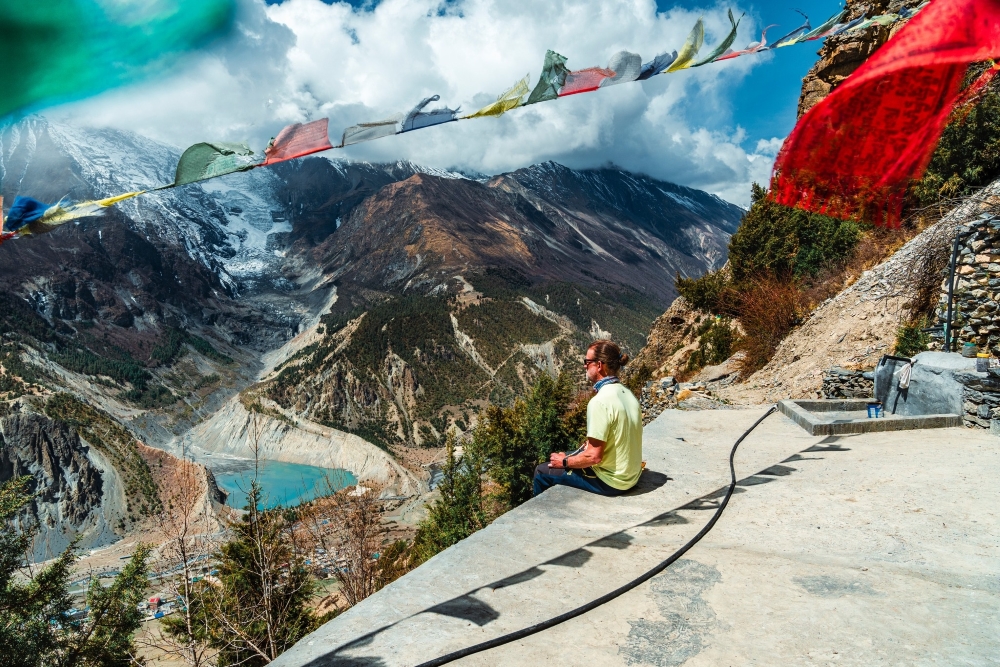
The Annapurna Circuit Trek acclimatises at Manang (3,500m), a medieval-feeling village beneath the ice walls of Gangapurna. The first thing you notice when you arrive is the silence. Not the absence of sound — yaks move through the lanes, prayer flags crack in the wind, children appear and disappear between stone walls — but the absence of urgency. Manang doesn't rush. It has no interest in your schedule.
What to Do on Your Acclimatisation Day
The standard hike goes up to Ice Lake (4,620m) — a glacial lake above the village, three to four hours return. You gain 1,100 metres, which is exactly the stimulus your body needs before Thorong La. At the top, the Annapurna range opens up in a way the valley floor doesn't prepare you for. Most people stand there longer than they planned to.
That's the morning. The afternoon is where Manang separates itself from every other acclimatisation stop in Nepal.
The Himalayan Rescue Association runs a daily talk during trekking season — usually delivered by a doctor or paramedic who has spent the season treating altitude emergencies on Thorong La. Not reading about them. Treating them. They describe what HACE looks like in someone who insisted they were fine two hours earlier. Everyone comes out quieter than they went in. I send every client. Not one has called it a waste of an hour.
From there, walk fifteen minutes above the village to Braga Gompa. The interior is dark, lit by butter lamps, walls covered floor to ceiling in painted mandalas that have been there for over 500 years. No audio guide. No laminated card. If the caretaker is present — and he usually is — sit down and let him talk. The conversation goes where it goes. That's the point.
Where to Stay: Mountain Lodges of Nepal Manang
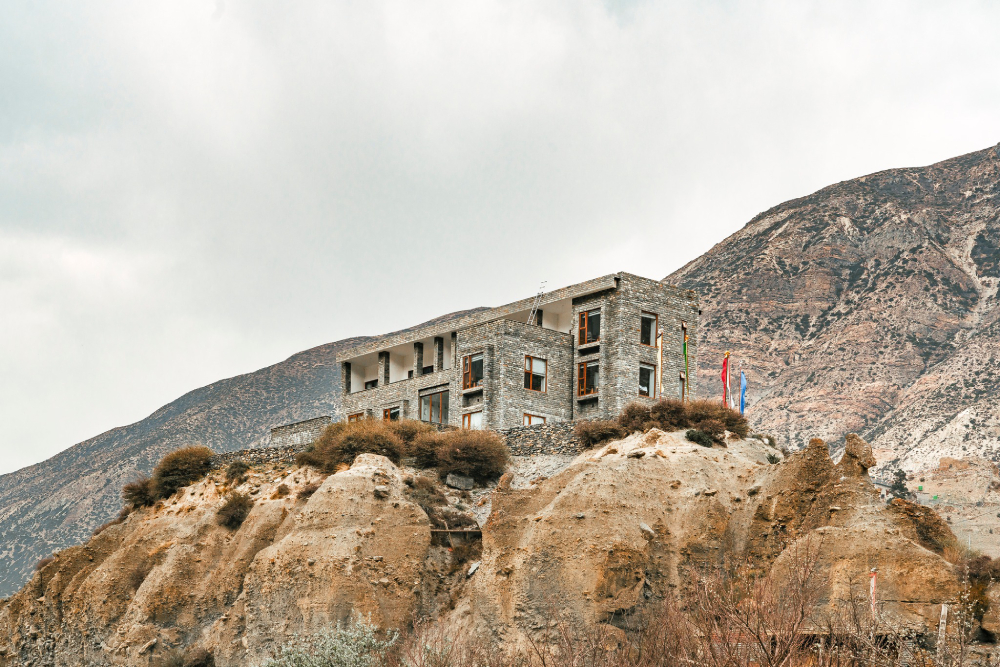
Mountain Lodges of Nepal Manang was named one of TIME magazine's World's Greatest Places of 2026 — less significant as a status marker, more as a signal that someone outside the trekking industry looked at what's been built here and called it genuinely important.
The 14-room stone lodge sits above the Marsyangdi River valley at 3,500m, with floor-to-ceiling windows framing the Annapurna range. Ensuite bathrooms, heated blankets, and library access. At this altitude, those aren't amenities — they're the difference between sleep that restores you and sleep that merely passes the night.
MLN is built around a base camp model: guests settle into Manang and venture out each day before returning each evening. For acclimatisation, this is exactly the right architecture. Climb high in the morning, catch the HRA talk in the afternoon, walk to Braga as the light softens, return to a heated room and a proper meal. Your body is doing the work it needs to do. You are not aware of it working.
That's what good acclimatisation feels like. Not rest forced upon you. Rest that makes you want to stay another day.
Langtang Valley: Acclimatisation With Weight
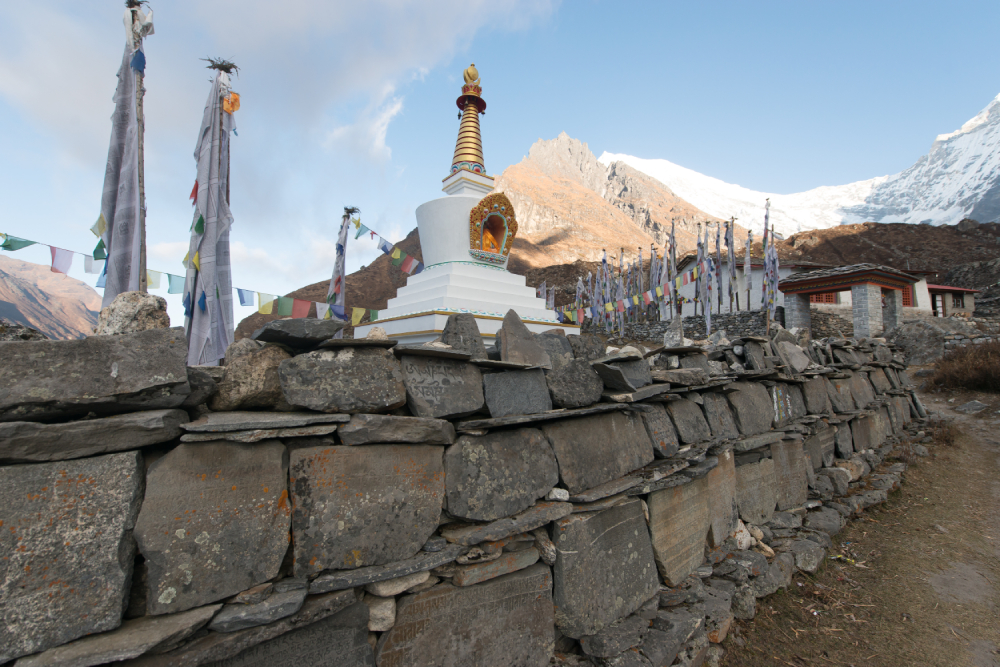
The Langtang Valley Trek doesn't get the same search volume as Everest or Annapurna. That's precisely why the people who choose it tend to remember it longer.
Acclimatisation on Langtang happens at Kyanjin Gompa (3,870m), a small settlement at the head of the valley beneath Langtang Lirung. The standard hike goes up to Tserko Ri (4,984m) — a steep four to five-hour climb that rewards you with a 360-degree view of the entire Langtang range, Dorje Lakpa, and on a clear day, the Tibetan plateau.
But the reason I include Langtang in this list has nothing to do with altitude logistics.
What Kyanjin Gompa Holds
In April 2015, a 7.8 magnitude earthquake triggered a landslide that buried Langtang village in seconds. Over 350 people died — locals and trekkers together. The community that exists there now was rebuilt from almost nothing, largely through their own determination and the support of returning trekkers who refused to abandon the valley.
When you walk through Langtang village today, you're walking through an act of collective will. The rebuilt stupas, the new teahouses, the families who came back — none of it was inevitable. All of it was chosen.
An acclimatisation day at Kyanjin Gompa, done properly, includes time at the Kyanjin Gompa monastery itself — one of the oldest in the Langtang region, active, quiet, and completely without tourist infrastructure. Morning puja here is unhurried. The monks know the trekkers who show up with genuine curiosity, and they respond to that differently than the ones passing through with cameras.
There's also the Langtang Cheese Factory — a yak cheese cooperative that's been operating since the 1950s, one of the first in Nepal. It's not a tourist attraction. It's a working dairy at altitude. Watching how it operates, understanding how this community has sustained a food economy at nearly 4,000m for generations, is the kind of detail that sounds minor and stays with you for years.
By afternoon, you're back at the lodge, the valley is golden, and the weight of what this place has survived and chosen to become settles into the experience in a way that no summit view can replicate.
If this route feels right for you, the full Langtang Valley Trek itinerary is the place to start.
Manaslu Circuit: Samagaun and the Forgotten Acclimatisation
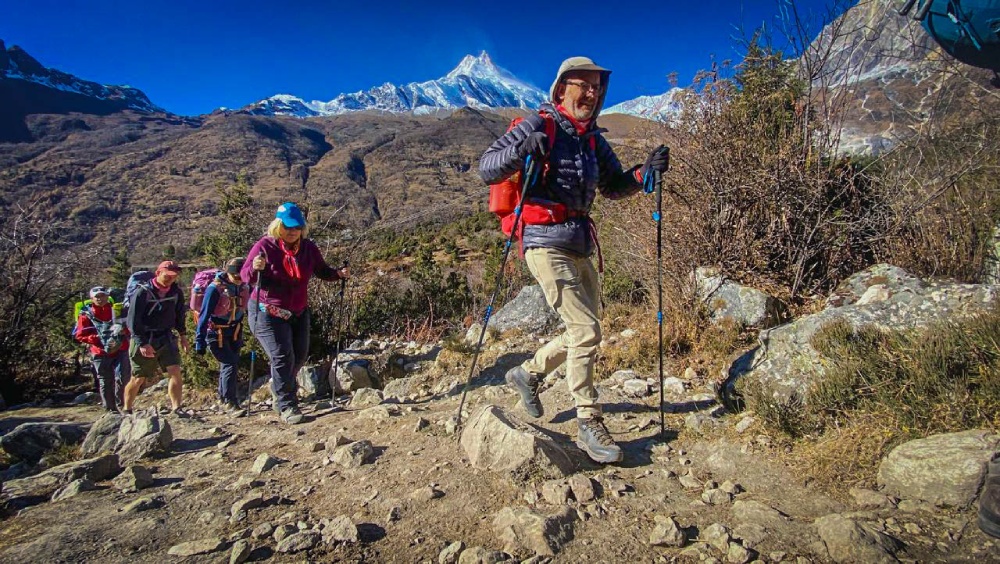
The Manaslu Circuit Trek acclimatises at Samagaun (3,530m), a remote Tibetan-influenced village beneath the south face of Manaslu itself. This is one of my favourite places in Nepal, full stop.
Samagaun is not on the mainstream radar the way Namche or Manang are. The village is small, the infrastructure is basic by comparison, and the cultural atmosphere is completely intact. You are not a tourist here in the conventional sense. You are a visitor moving through a living community.
Pungyen Gompa: The Acclimatisation Hike That Matters
The acclimatisation hike from Samagaun goes up to Pungyen Gompa (4,000m) — an ancient monastery perched above the village with direct views of Manaslu's southwest face. The hike takes two hours each way. The monastery itself is rarely visited, rarely photographed, and completely authentic.
What I find consistently is that clients who've done EBC before come back from Pungyen saying it felt more real. There's no infrastructure built around their presence. There's no economy organised around trekking tourism. There's just a monastery, monks who live and practice there, and one of the most dramatic mountain views in Nepal.
If this route interests you, the full Manaslu Circuit Trek itinerary covers everything you need to know before booking.
Upper Mustang: Where Acclimatisation Meets Ancient Culture
Upper Mustang is the only route on this list where the permit system itself tells you something meaningful about where you're going.
As of Mar 2026, the Restricted Area Permit moved from a flat $500 fee to $50 per person per day — a structural change that makes shorter itineraries more accessible. Alongside that, the good news is that even solo travellers can go to Mustang now. You will not have to share a permit with other people, which was the rule before. What hasn't changed: you still need a licensed guide. That's not a bureaucratic inconvenience. It's a position.
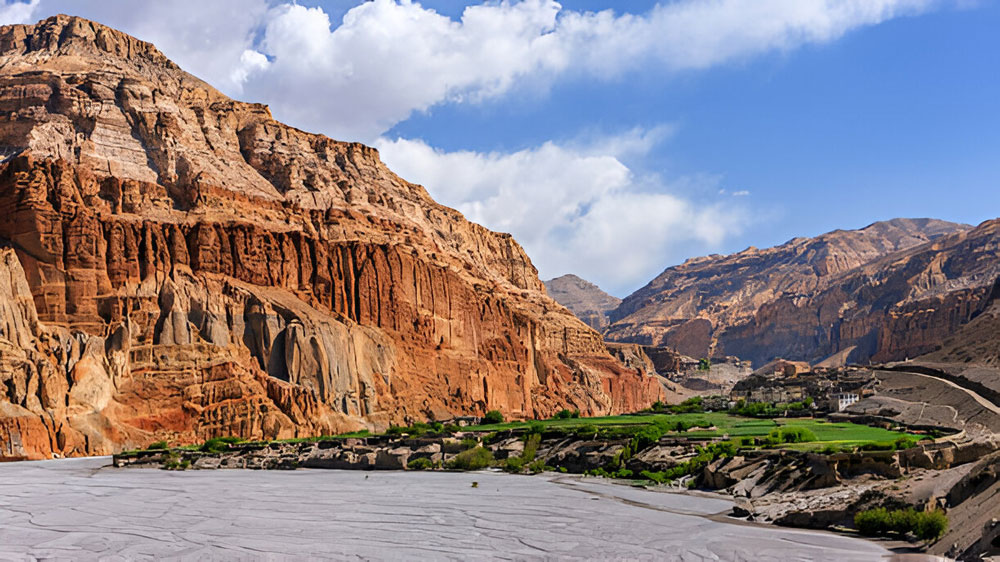
The landscape here is not Himalayan in the way most people picture Nepal. It's Tibetan plateau — ochre cliffs, wind-carved canyons, sky that feels closer than it should. You cross into Upper Mustang past Kagbeni, and the world changes register entirely. The villages look like they were built into the rock rather than placed on top of it. Prayer flags are everywhere, but so is silence.
Acclimatisation happens in and around Lo Manthang (3,840m), the ancient walled capital of the Mustang Kingdom. Most trekkers arrive here and spend one night before turning back. The ones who stay longer — who build a proper acclimatisation day into the schedule — are the ones who actually understand what they're looking at.
What to Do on an Acclimatisation Day in Lo Manthang
The morning starts on foot through the lanes of the walled city. Not a guided tour with talking points. A slow walk where your guide explains context only when it matters — which doorway belongs to which family lineage, which wall was rebuilt after the 2015 earthquake, which monastery is still active versus ceremonial.
Thubchen Monastery deserves at least two hours. This is a 15th-century monastery. Most people spend twenty minutes here. That's not enough to see it. The scale of the paintings, the detail in the iconography, the fact that this exists at 3,840m in a village most of the world has never heard of — it takes time to absorb properly.
In the afternoon, the plateau itself becomes the experience. The light in Mustang in the late afternoon is unlike anywhere else I've trekked — the dust in the air catches it differently, everything turns amber, and the walled city against the cliffs looks like something that shouldn't still exist. This is not a moment to be inside a spa. It's a moment to be on a terrace with tea, doing nothing at all with full intention.
Shinta Mani Mustang: The Lodge That Earns Its Place
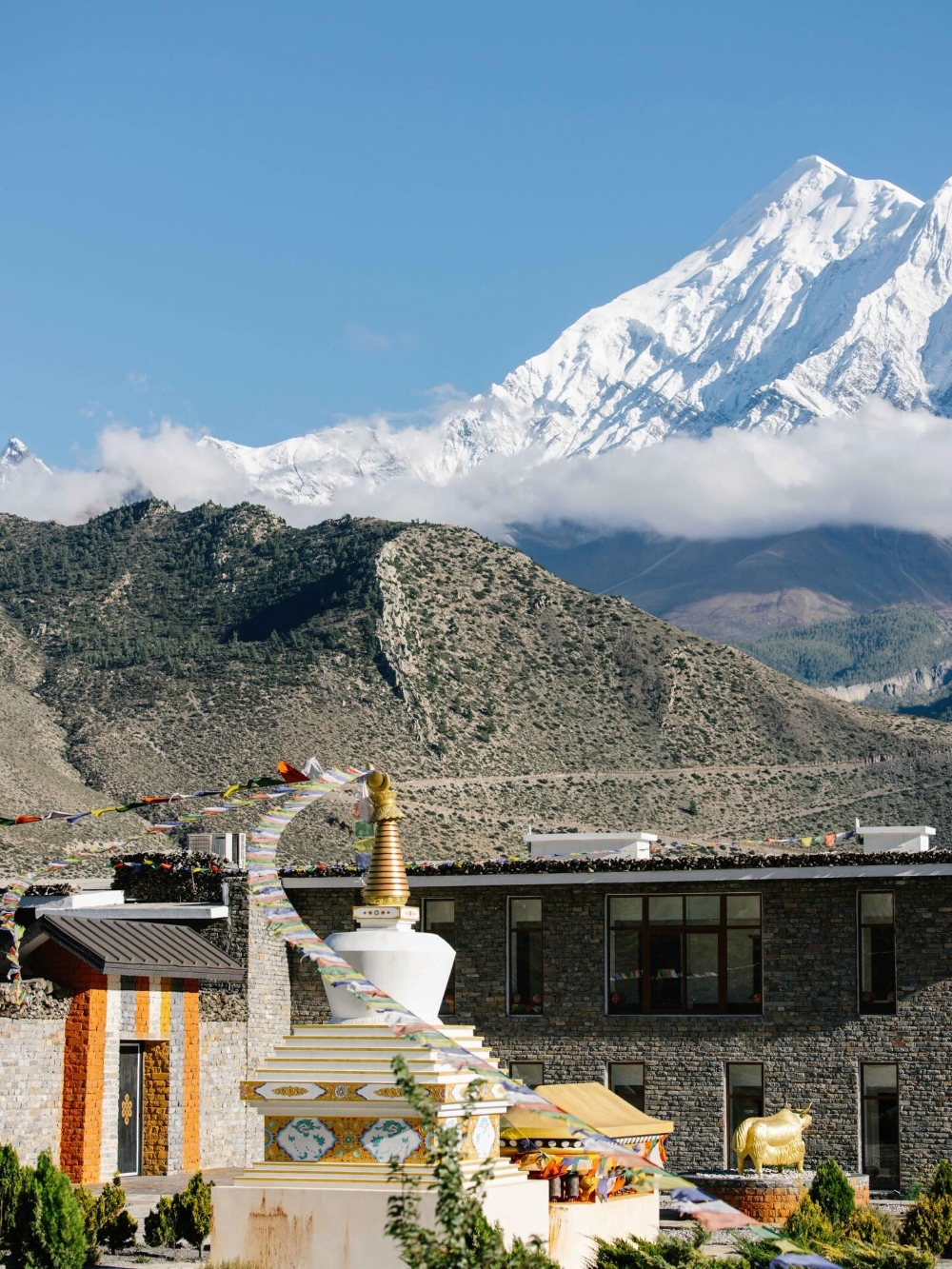
Shinta Mani Mustang is not trying to compete with what lies further up the valley. It doesn't need to. Positioned below Kagbeni in Lower Mustang, it operates as a destination in itself — and by that measure, it is the finest property in Nepal.
The architecture earns its place. Rammed earth, carved timber, Mustangi proportions — the building reads as belonging, not arriving. But unlike lodges that use vernacular design as aesthetic cover for modest comfort, Shinta Mani delivers something genuinely different: the most complete luxury experience Nepal currently offers.
A 5-night stay here is not a stopover. It's the structure around which Lower Mustang reveals itself — the ancient cave monasteries, the wind-carved landscape, the villages that exist at their own pace regardless of who is watching. The property gives you the physical and psychological conditions to actually receive all of that. After a day in that terrain, you return to something that restores you completely.
Most lodges in Nepal ask you to accept the trade-off between location and comfort. Shinta Mani has largely refused that trade-off. That's what makes it worth building an itinerary around, not just including it in one.
For the full picture on this route, the Luxury Upper Mustang Tour and the Upper Mustang Trek page cover everything you need before booking.
What All of These Acclimatisation Days Have in Common
They are slow by design, not by default.
The difference between a good operator and an average one isn't visible in the itinerary document. It's visible in what happens on the days that look empty on paper. Any operator can get you to base camp. The question is what you carry back with you — and that's determined almost entirely by the quality of attention paid to the days between.
The lodges matter because they set the physical conditions for rest. But the experiences matter more — and those are built by guides who understand that their job isn't to fill your time, it's to show you how to inhabit it.
Frequently Asked Questions About Acclimatisation Days in Nepal
How many acclimatisation days do I need on a Nepal trek?
It depends on the route and your maximum altitude. The Everest Base Camp trek requires two nights at Namche Bazaar and Dingboche. The Annapurna Circuit needs one at Manang. Manaslu and Upper Mustang each require one. Langtang is more forgiving in terms of altitude gain but still benefits from a slow day at Kyanjin Gompa. As a rule, never skip a scheduled acclimatisation day, regardless of how good you feel.
Can I exercise on an acclimatisation day?
Light activity is not only allowed — it's encouraged. The climb-high-sleep-low principle means a short uphill hike during the day actually helps your body adapt. What you avoid is sustained exertion, heavy packs, and significant altitude gain beyond 300 to 500 metres above your sleeping elevation.
What are the symptoms that mean I should not continue trekking?
Persistent headache that doesn't respond to hydration or rest, loss of coordination, confusion, shortness of breath at rest, and a dry, persistent cough are all serious warning signs. Mild headache and fatigue on the first day at a new altitude are normal. Anything that worsens after 24 hours needs immediate attention. The HRA talk in Manang covers this in detail — I send every client regardless of experience level.
Do luxury lodges at altitude actually make a difference to acclimatisation?
Yes, in a practical sense. Proper heating means you sleep warmer, which reduces the energy your body expends overnight. Good food — particularly high-carbohydrate meals — supports the physiological adaptation process. Hot showers reduce muscle fatigue. None of these replaces the biological timeline, but they remove the variables that make acclimatisation harder than it needs to be.
Is Upper Mustang suitable for first-time trekkers?
The altitude in Mustang is moderate — Lo Manthang sits at 3,840m — and the terrain is less technically demanding than EBC or Manaslu. What makes it challenging is the remoteness and the permit cost ($50 per person per day). For a first-time trekker who wants a high-quality, culturally rich experience without extreme altitude, it's actually one of the better options. The Upper Mustang Trek has the full route breakdown.
How far in advance should I book a trek with acclimatisation days built in?
For peak seasons — March to May and October to November — book at least three to four months ahead. Lodges like Shinta Mani Mustang fill up quickly, and flight slots to Lukla are limited. Booking late doesn't just mean higher prices. It means compromised itinerary flexibility, which on altitude-sensitive routes is a real problem.
Ready to Trek Without Rushing?
If you've read this far, you already know the difference between a trek that's been designed and one that's just been scheduled.
Every itinerary we build at Himalayan Scenery Treks treats acclimatisation days as the core of the experience, not the downtime between experiences. Our guides are briefed specifically on each client before departure — your pace, your interests, what you want to feel at the end of this trip.
Or explore the routes directly: