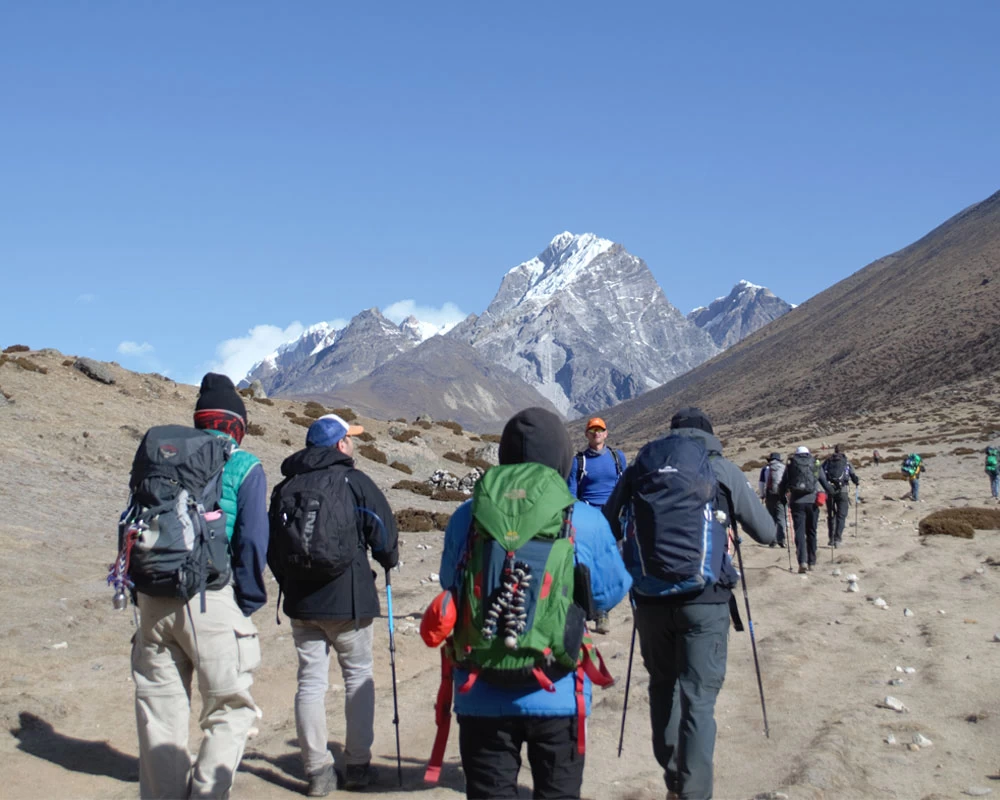
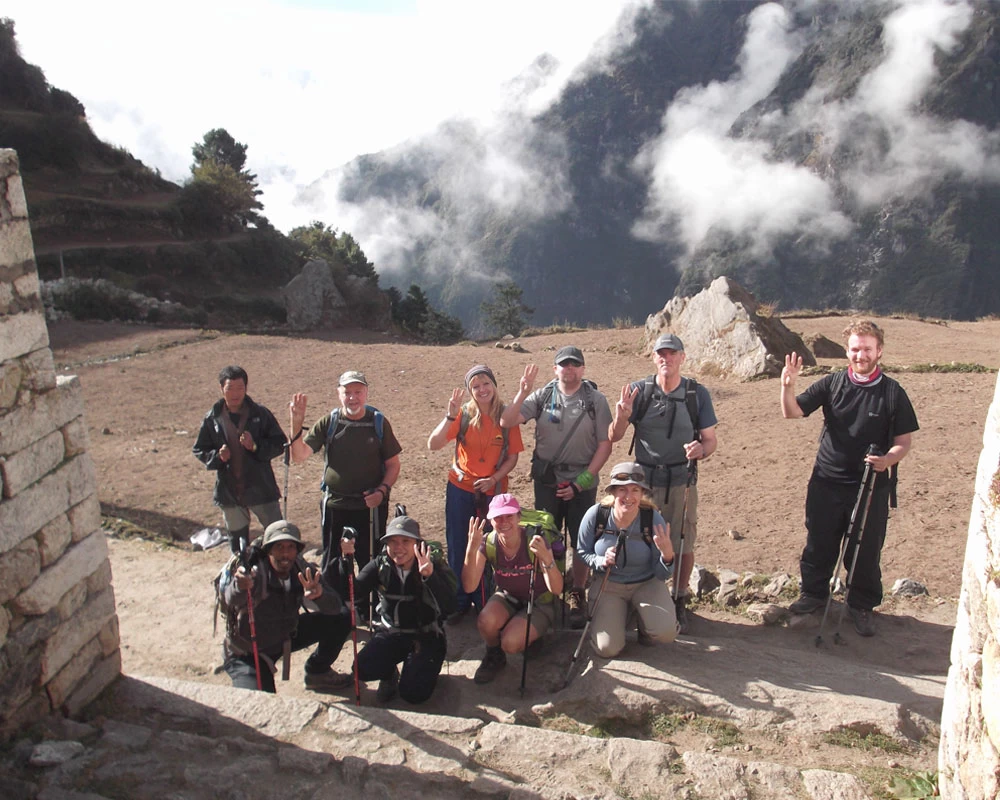
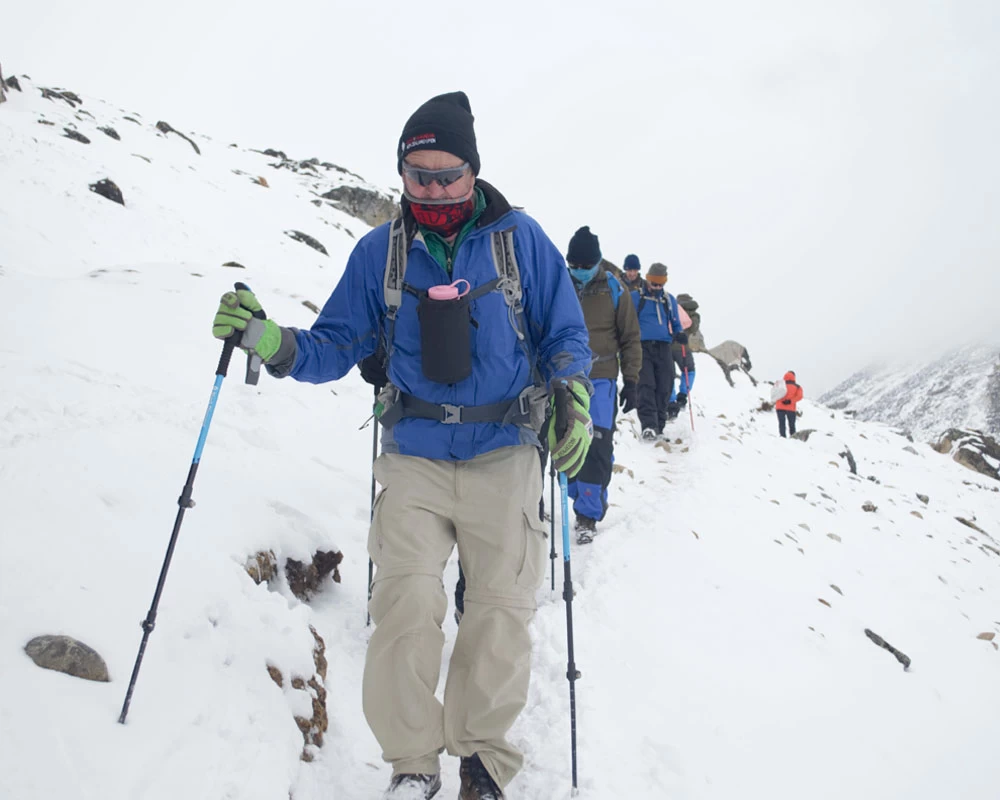
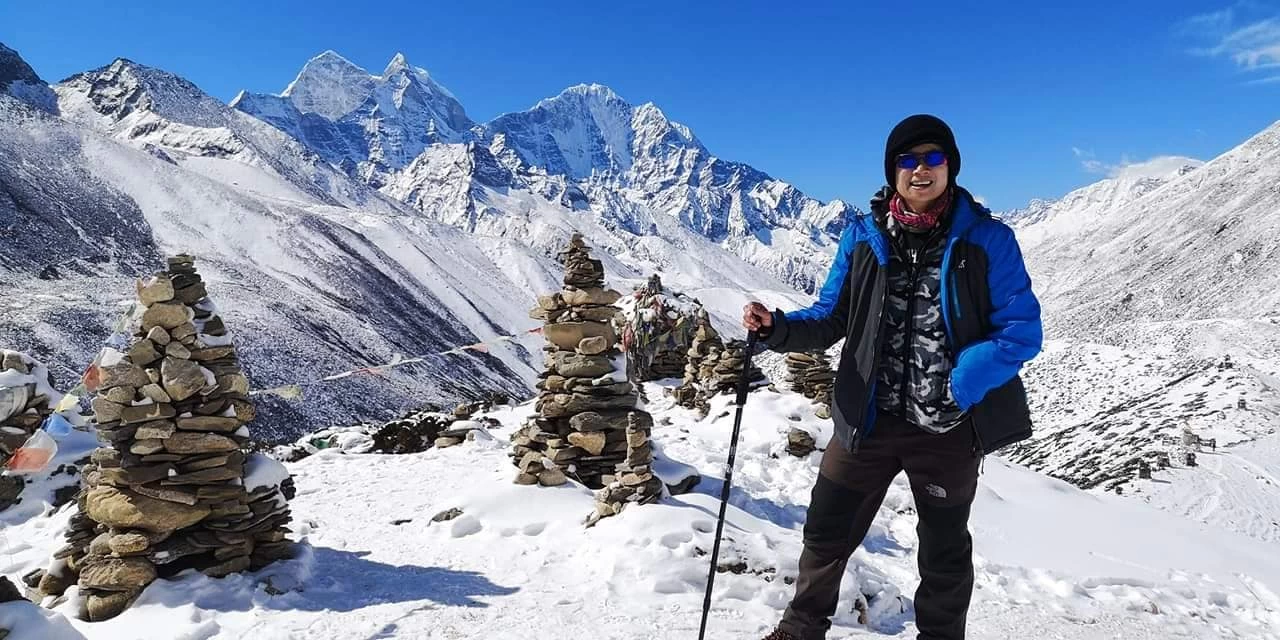
You know the Everest Base Camp trek exists. You've read about it. You've seen photos of the sunrise from Kala Patthar.
You also know something else: there's a standard way to do it. Shared tea houses. Rotating guides. Group pace. Budget food. And then there's a different way.
This page is about that different way.
The luxury Everest trek isn't about avoiding the mountain—it's about experiencing it fully, without the distraction of discomfort. It's for people who have already trekked, who know what they want, and who understand the difference between doing something and living it.
If you've been thinking about Everest Base Camp and you want to do it exactly once and exactly right, this is the version you book.
Not ready for luxury?[Explore our standard 15-day trek]
WHAT YOU GET IN THIS LUXURY EVEREST BASE CAMP TREK
This isn't a step-up. It's a different category.
Private Guide (The Real Difference)
Not a rotating guide. The same Sherpa for 11 days straight. Before you arrive, he's been briefed on:
- Your fitness level and previous trekking experience
- Your dietary preferences (vegetarian, allergies, foods you hate)
- Your pace (fast, slow, somewhere in between)
- Your interests (cultural immersion, wildlife, solitude, conversation)
You land in Kathmandu. He's waiting. He already knows your story.
On the trail, he's not watching a group of 12 people. He's watching you. If your breathing changes, he notices. If you're slowing, he adjusts the pace—not because the group needs it, but because you do.
That guide changes everything.
Small Group (2–5 People Maximum)
No compromising your pace for 10 others. No waiting at lunch for stragglers. No evening congestion in the lodge dining room.
If you're travelling solo, you trek solo (with guide + porter). If you're a couple, it's just you two. If you're bringing friends, they're your friends, not 8 strangers.
Luxury Lodges on this trek (Not Upgraded Tea Houses)
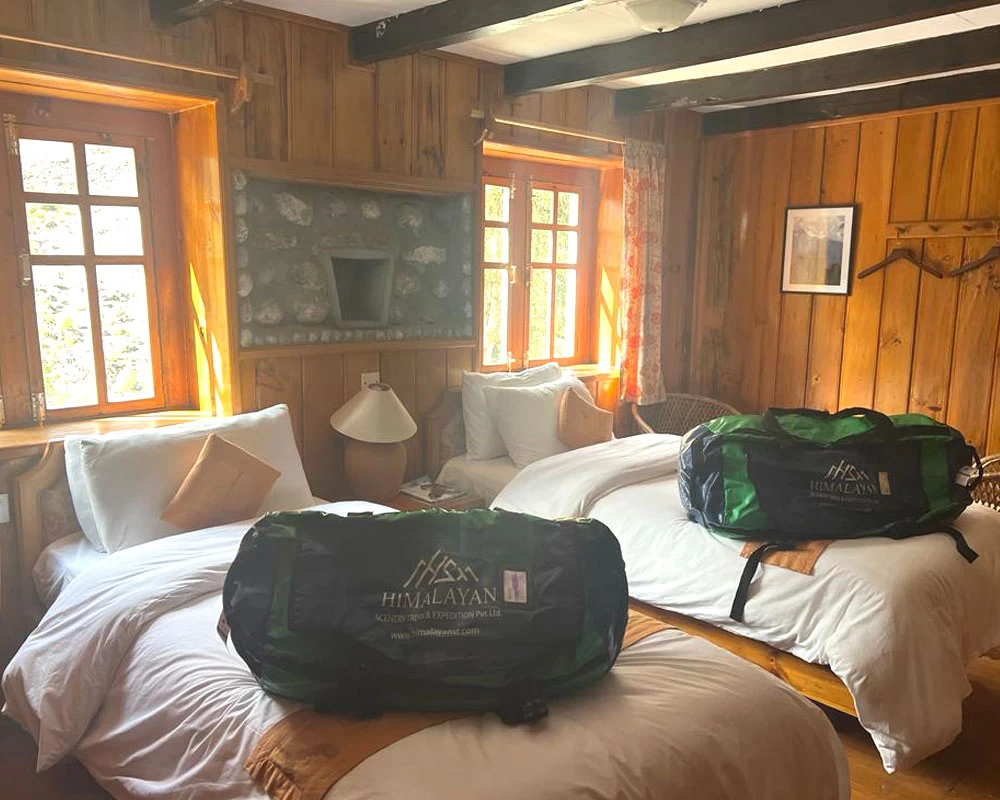
Yeti Mountain Home by Mountain Lodges of Nepal. The Himalayan Luxury Lodge. Hotel Tashi Delek. These aren't "nice tea houses." They're actual lodges, purpose-built for comfort.
What that means:
- Heated beds (not a sleeping bag on a wooden frame)
- Private or semi-private bathrooms with hot water
- Windows with views, not dark boxes
- Quiet—you can actually sleep
- Meals prepared in real kitchens by people who care about food
Sleep quality is the single biggest factor in altitude adaptation. Better sleep = stronger trekking = safer journey. Luxury lodges aren't indulgence. They're practical.
Helicopter In + Out
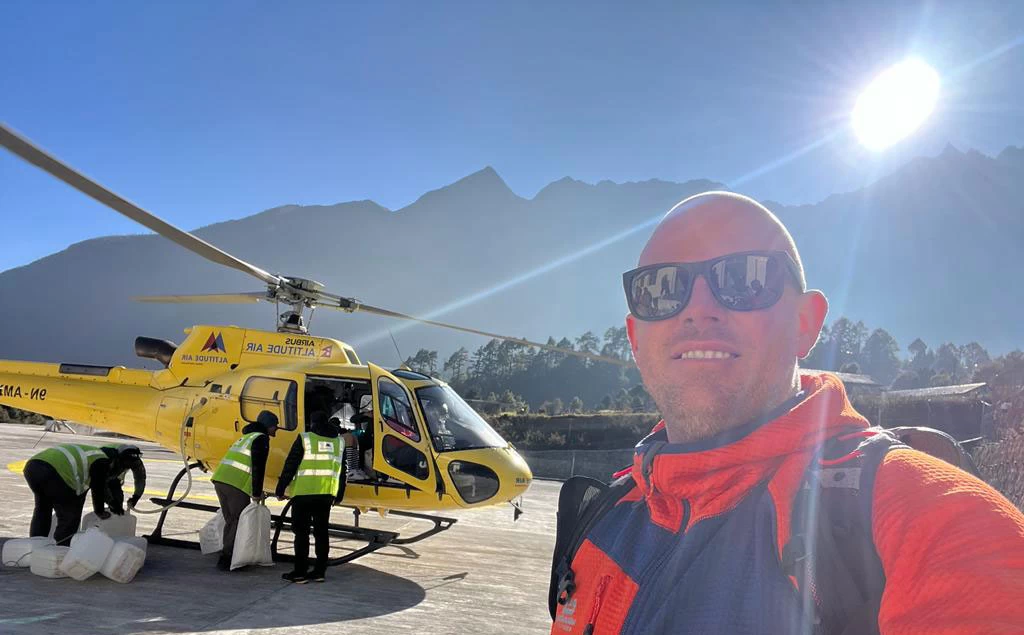
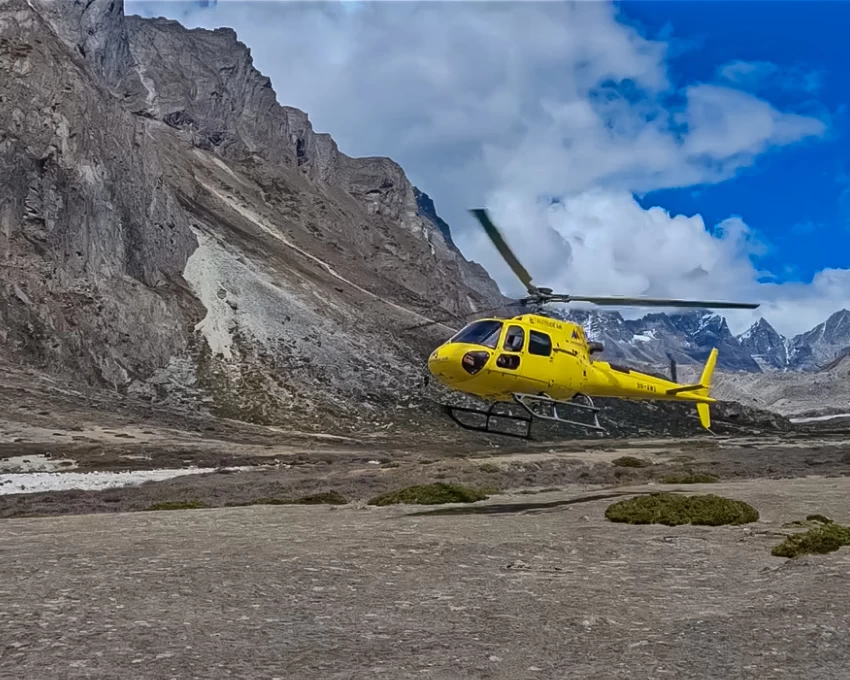
Fly from Kathmandu to Lukla (instead of a 5-hour ride to Manthali airport). Skip the crowds, skip the early morning. Arrive fresh.
After Kala Patthar and Base Camp, fly back to Kathmandu (instead of hiking down the same trail for 4 days). See the mountain from the sky. Sleep in your Kathmandu hotel that night.
This saves 3–4 days of hiking and removes weather-related flight delays.
Acclimatisation That Actually Happens
Two full rest days built in (not squeezed in). More importantly, planned rest activities, not random rest days.
Day 5 in Namche: Private Sherpa cooking class. You cook a sherpa stew with a local family. You eat what you made. You understand the food differently.
Day 8 in Dingboche: Guided walk to Nangkartshang Hill. You're hiking, but slowly, in a place that's always around the snow-capped peaks.
These aren't "activities." They're immersion.
3 Nights in 5-Star Kathmandu
Pre-trek: arrive, rest, brief, explore heritage sites with a guide, and have a welcome dinner. Post-trek: recover, shower properly, have a real meal, farewell dinner, then depart.
Kathmandu is the buffer. It takes the jet lag out of your trek.
YOUR GUIDE — THE DIFFERENCE EVERYTHING MAKES
A guide is not an accessory. A guide is the trek.
On the standard trek, your guide might not know your name until day two. On this trek, he knows your story before you arrive.
Pre-Trek Brief (Before You Arrive):
- We send you a questionnaire or go based on your chats with our sales team
- Your guide reads it carefully
- He notes: "This person is hiking Everest for the first time. Previous experience is hill walking in Scotland. Prefers vegetarian meals. Wants to understand Sherpa culture, not just see it."
- He plans accordingly
On the Trail:
- Same guide, 11 days
- Not rushing to match a group schedule
- Watching your pace, your breathing, your energy
- Adjusting the walk based on how you're doing, not on a set itinerary
- Available for questions, stories, conversation, or silence—whatever you need
Emergency Trained:
- Wilderness First Responder certified
- Knows high-altitude sickness symptoms better than you will
- Has an evacuation protocol for every moment above 4,000m
- Guides you safely, which means sometimes not pushing forward
References Available:
- We're happy to connect you with past clients
- Talk to people who've trekked with your future guide
- You'll feel confident before you start
This isn't a service. It's a partnership.
THE LODGES YOU'LL STAY IN
Where you sleep determines how you trek.
Kathmandu (Pre & Post-Trek) The Dwarika's, Yak & Yeti, Marriott Kathmandu, or similar 5-star options. Pool, spa, restaurant, and rooms that feel like home. Rest before and after properly.
Phakding (Day 3) Yeti Mountain Home. Heated beds. Private bathroom with a hot shower. Dining room with views. Real kitchen. You sleep better than you expected at 2,610m.
Namche Bazaar (Days 4–5) Yeti Mountain Home Namche. Slightly larger version. Same quality. WiFi available. Charging facilities. Clean, modern, quiet.
Debuche (Day 6) Mountain Lodges of Nepal. Smaller, quieter than Namche. Local stone construction. Real fireplace. Hot meals. One of our favourite stops.
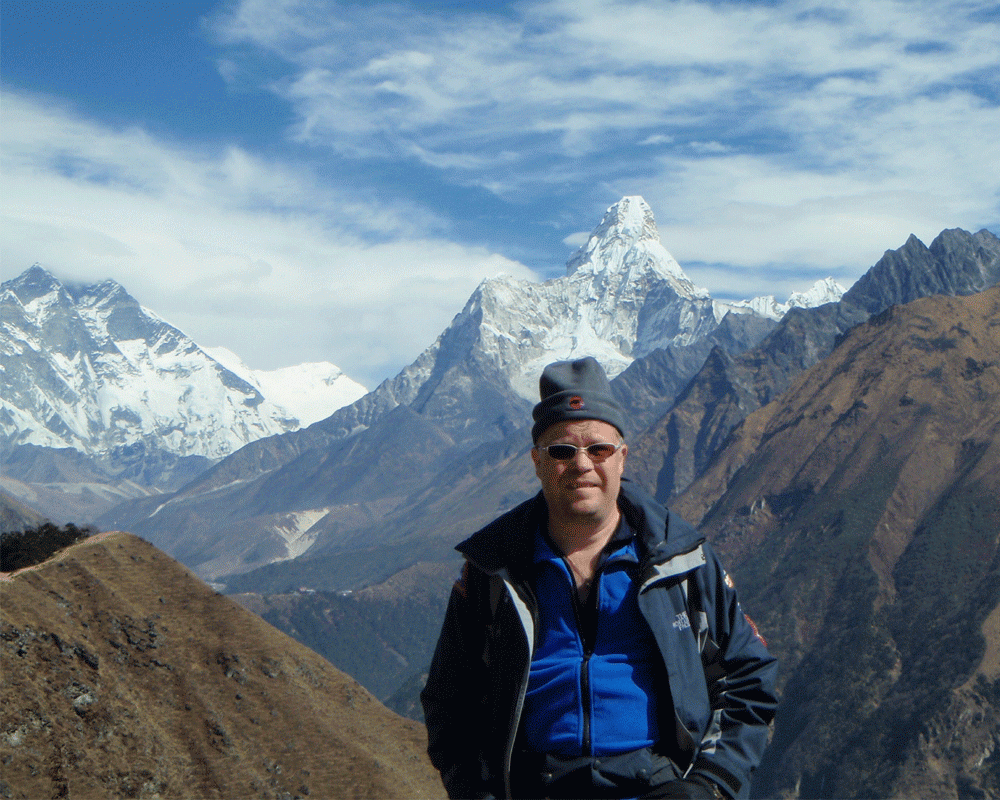
Dingboche (Days 7–8) Hotel Tashi Delek. The best lodge above 4,000m in the region. Island Peak views from the terrace. Heated common area. Reliable service even at altitude.
Lobuche & Gorak Shep (Days 9–10) Functional, clean, basic. Solar electricity (limited). Toilets outside. Expect simplicity. Meals are warm and sufficient. Beds are firm. You can sleep here—and you will.
WHY HELICOPTER, NOT JUST FASTER, BUT BETTER
People ask: "Why not save money and fly the standard way?"
The Practical Reason: Standard route = flight to Manthali (4–5 hour truck), 5 am wake-up, weather delays, expensive domestic flight. Our way = Kathmandu airport, breakfast, helicopter, no delays.
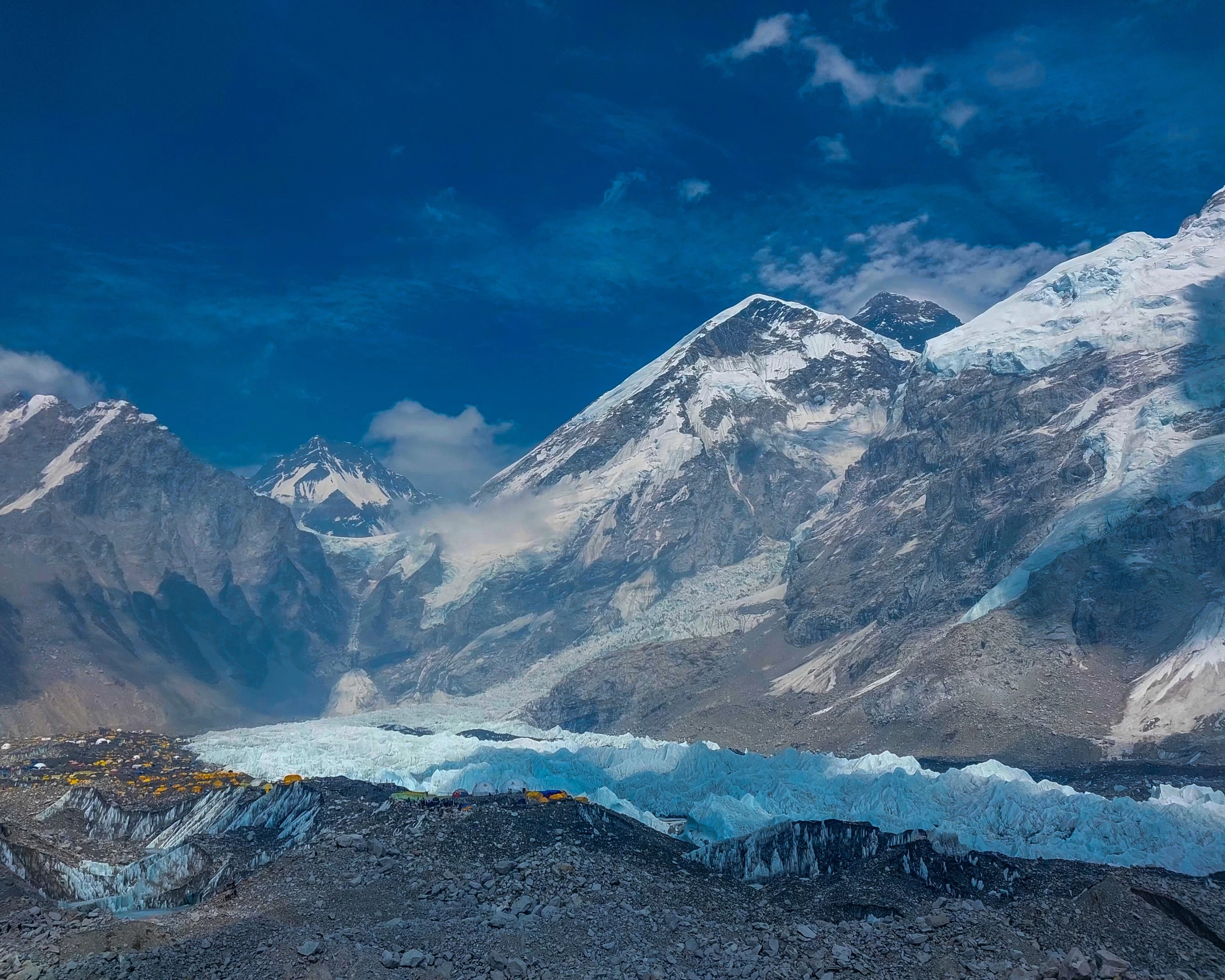
The Real Reason: The return helicopter flight is the moment of your trek. You land at Gorak Shep. You've been walking for 8 days. Your guide says, "Ready?" You climb into a helicopter. The glacier you've been walking on becomes visible from the sky. Everest, which has been in front of you, suddenly becomes part of a landscape. You see what you just climbed from 10,000 feet up. It's a different experience than walking back down the same trail for 4 days.
Time Factor: Saves 3–4 days of hiking the same route in reverse. That's 3–4 extra days to recover in Kathmandu, explore, rest, and sleep properly.
Weather: Lukla flights get cancelled 20–30% of the time in peak season (weather delays). Helicopter flights have different weather windows and more flexibility. You're more likely to fly on schedule.
This isn't luxury. This is practical. And it happens to be better.