I walked to Everest Base Camp in 2023 with a client who'd summited Kilimanjaro. By day three, she stopped asking about altitude and started asking why the teahouses had prayer flags. That shift—from doing to being—is slow trekking.
Most trekking blogs sell you mountains. This one sells you what happens when you stop rushing toward them.
Why Slow Trekking Matters (The Case Against Speed)
You've probably done the standard trek circuit. Everest Base Camp in 12 days. Annapurna in 10. You summit on the schedule, hit the lodge on time, arrive at base camp on day X, and descend by day Y. It works. You see the mountain. You check the box. But you don't really arrive anywhere.
Slow trekking is the antidote. It's what happens when you stop treating Nepal like a checklist and start treating it like a place you actually live in—even if only for two weeks.
What a properly designed acclimatisation day looks like.
The Paradox of Peak Chasing
The difference: Standard trek, you pass through villages. Slow trek, you sit in a teahouse for two hours, and the owner's daughter teaches you to make momo. That's not a small difference. That's the entire reason to come here.
Walking 3-4 hours daily at a moderate pace activates your parasympathetic nervous system. Your body stops fighting and starts healing. Research published in Frontiers in Psychology (2019) shows that just 20 minutes in nature produces measurable cortisol reduction, with walking in green spaces producing a 53% average decrease in stress hormones compared to 37% in urban settings. Most importantly, these stress-reduction benefits are sustained for six weeks post-experience.
But here's the real science: When you're not rushing, you notice things. Prayer flags aren't decoration—they're a system of intention. Monasteries aren't tourist stops—they're lived spiritual practice. Villages aren't backdrops—they're people's homes. That observation changes how your brain processes meaning. It rewires you.
What Slow Trekking Actually Means
Let's be clear about what slow trekking is not: Not "easy trekking"—you still gain 3,000-4,000 meters of elevation. Not "luxury trekking"—you're staying in clean teahouses owned by families who've lived on that mountain for generations. Not "group trekking"—we cap at 6 people max. Not "lazy trekking"—you're walking 4-5 hours daily.
Three Pillars of Slow Trekking
Extended Acclimatisation Days (Not Rest Days)
Standard operators put you on the mountain for 12 days with maybe one "rest day." We build in 3-4 intentional acclimatisation days where the goal isn't to move up—it's to be there.
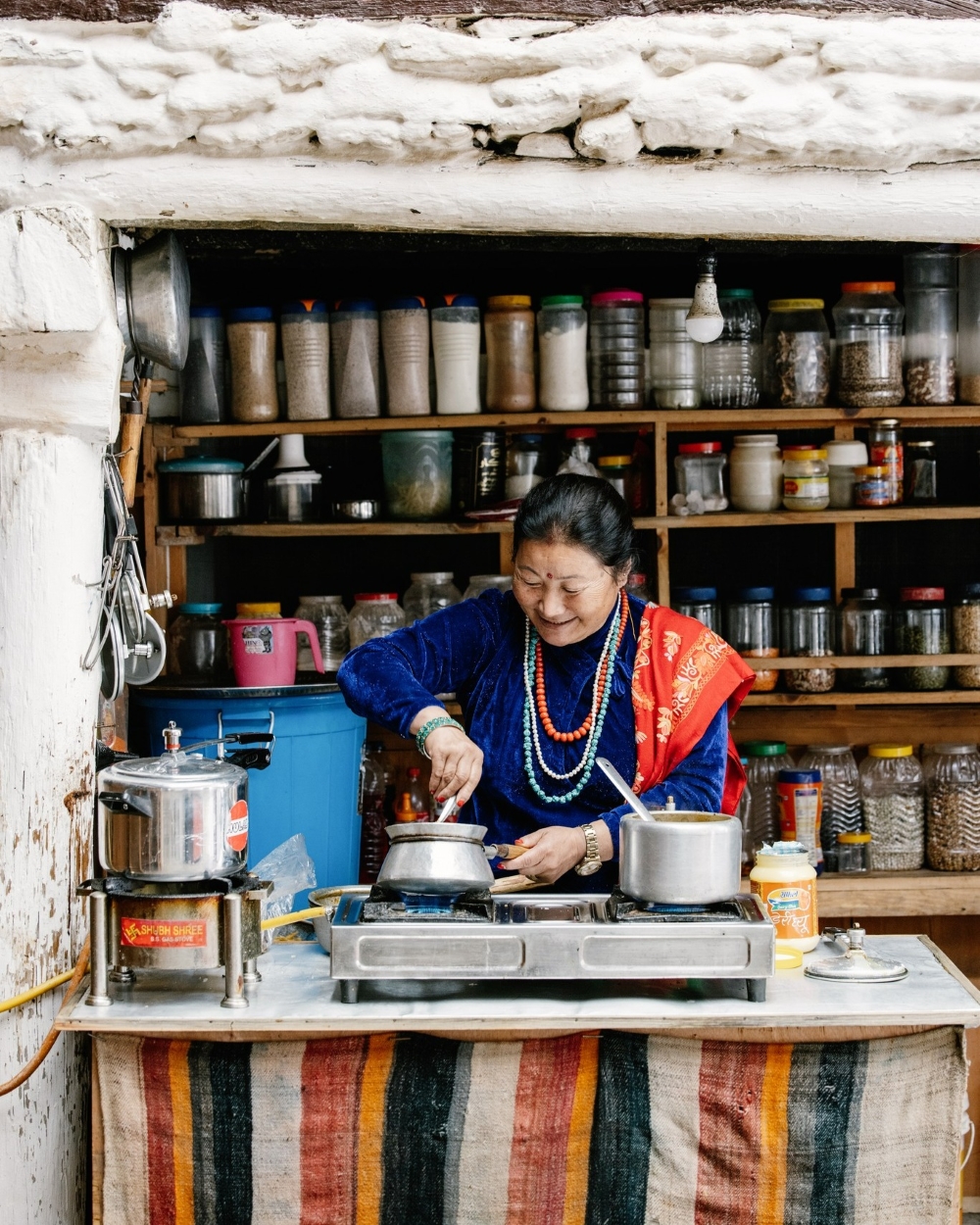
On those days, you cook with Sherpa families (actually making dal and momo, not watching). You visit monasteries and talk to monks (real conversations, not tours). You walk through villages with no fixed route. You sit and read and let your body adapt at its own pace.
A standard 10-day EBC trek has 1 acclimatisation day. When we customise to a 14-day slow EBC trek, it has acclimatisation days at Phakding (2,610m), Namche (3,440m), and Gorak Shep (5,140m). That's 3 days where altitude adjustment happens naturally, not forced.
Intentional Pacing
Walking: 4-5 hours daily (not 6-7). Start at 7 AM (not 5:30 AM). Arrival by 2 PM (not 5 PM). Afternoons free (read, nap, journal, walk the village). Evenings are quiet (tea, dinner, early sleep). You're not racing the sunset or the crowd. You're walking at a pace where you can actually see things.
Last year, I hosted a woman from Toronto on Manaslu. She's a therapist—a high-stress job, and she hadn't slept well in years. On day five, she arrived at Samdo by 2 PM. She sat on the porch for four hours just looking at the valley. Didn't read. Didn't journal. Just sat. By day 10, she said that she'd fallen asleep without medication for the first time in two years. That's slow trekking.
Guide Calibration
Your guide knows: Your exact pace (not group pace), whether you want to talk or walk in silence. Your fears (altitude? Crowds? Loneliness?). Your interests (architecture? Botany? Local politics?). We provide brief guides with a 2-page document before every trek. Not a standard itinerary—a personal one.
This means: Your guide anticipates your needs before you ask. You're not on someone else's schedule. If you want to sit for two hours at a certain spot, you sit. If you want to skip the "scenic viewpoint" and visit a monastery instead, you do. Most importantly: Your guide doesn't talk at you. They facilitate your experience. That's a skill most trekking guides don't have.
The Best Slow Treks in Nepal (With Real Context)
I'm ranking these by how they actually feel to trek, not by how famous they are. Each offers something different—cultural immersion, accessibility, spiritual depth—depending on what you're seeking.
Manaslu Circuit (14 Days)
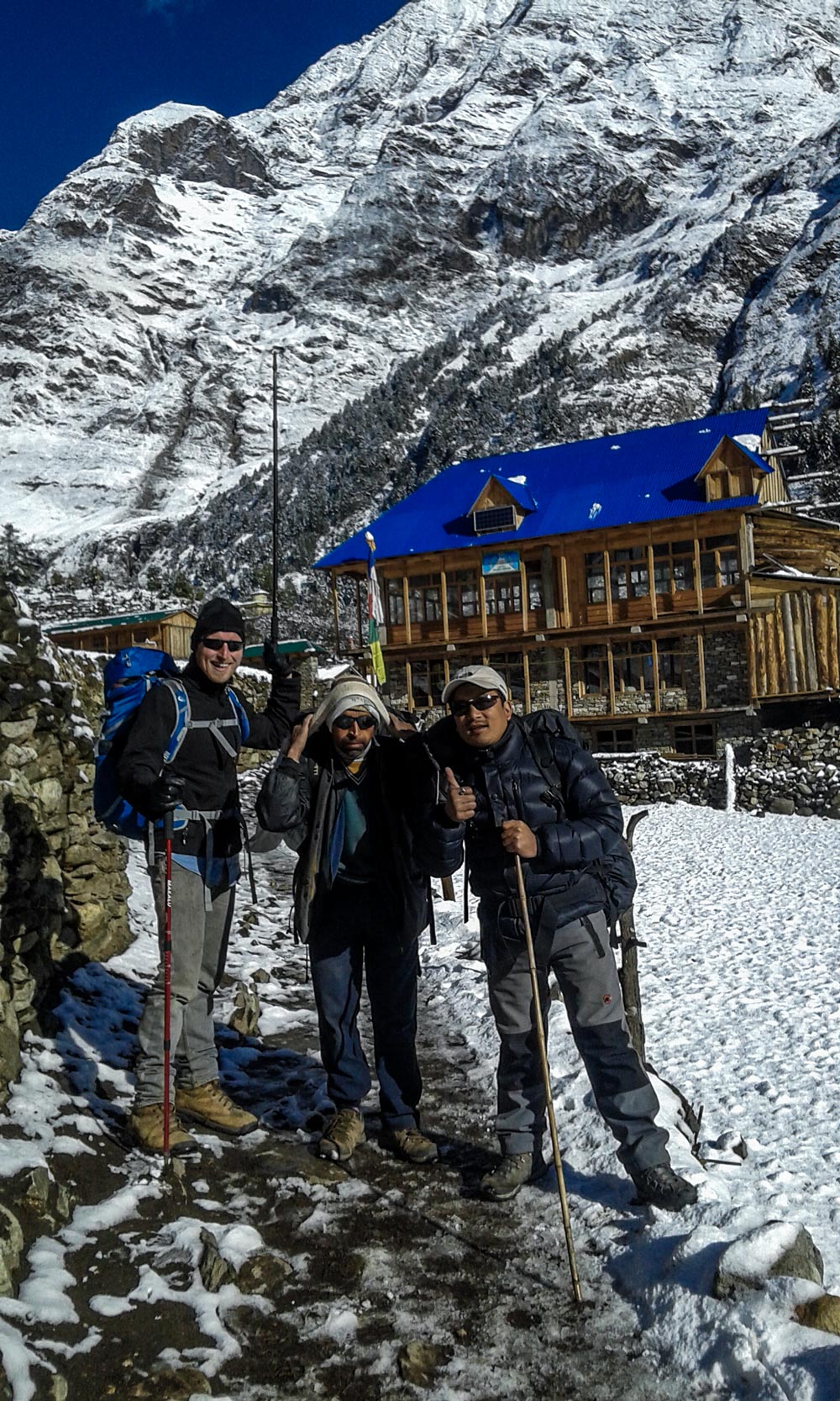
The Reality: Elevation 5,106m (Larkya La Pass). Walking 4-5 hours daily. Roughly 20-30% of Everest Base Camp traffic.
Seasons: March-May, September-November
Best for: First-time slow trekkers with trekking experience
It's the trek I recommend when someone says, "I've done Everest, and it felt crowded. What's the alternative?" Manaslu is what Everest was 15 years ago—stunning, authentic, uncontrolled. You walk through real villages, not curated for trekkers. Samdo, Nupri, Chekampar. In Samdo, locals outnumber trekkers 50:1. You're a guest, not a tourist.
The culture is Tibetan-influenced. Prayer flags, mani stones, yak herds. It feels less "Nepal trekking destination" and more "you accidentally ended up in a Himalayan village."
- A couple from Berlin, first trek ever. Day eight, we're in Samdo, and the teahouse owner—an older woman named Pema—refuses payment for tea. I ask why. She says, "You respected the mountain. You didn't rush. You're welcome here." That moment taught me more about hospitality than any luxury hotel training could. It's what slow trekking unlocks—the idea that respect creates belonging, not money.
Explore Manaslu 14-Day Slow Trek — See full itinerary, guide profiles, and pricing.
Acclimatisation days built in: Soti Khola (easy adjustment), Samdo (monastery visit, cooking class, village walk), Samagaun (yak herds, local stories), slow descent. The walk is beautiful, challenging, and never boring. You cross rivers, climb forests, sit above clouds. But you're not rushing to "achieve" it. You're just walking through it.
Langtang Trek (10 Days)
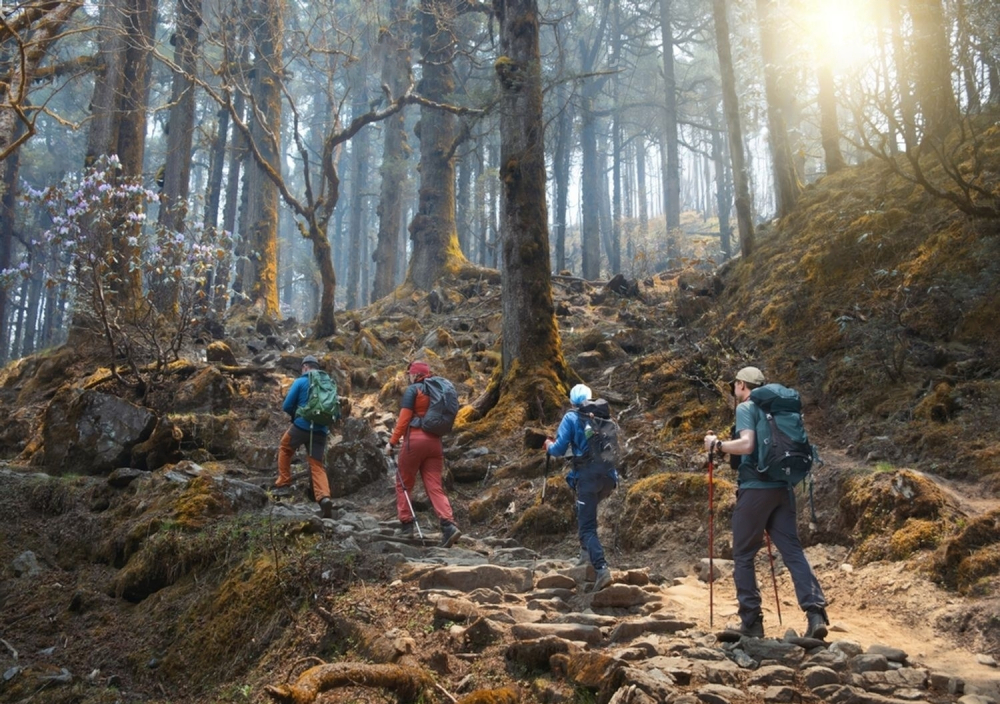
The Reality: Elevation 3,500m max. Walking 4-5 hours daily. Moderate traffic (mix of trekkers and pilgrims).
Seasons: March-May, September-November.
Best for: Busy professionals, people with limited time, first-time trekkers.
Langtang is the shortest trek that actually changes you. It's close to Kathmandu (start hiking day two), stays under 4,000m (way easier on your body), and has a story built in—the 2015 earthquake devastated this valley. The community rebuilt. Walking here isn't escapism; it's witnessing resilience.
The landscape is intimate. Forests, waterfalls, ridgelines. Not the dramatic "standing on top of the world" feeling of Everest. More like standing inside a living painting.
A lawyer from Boston, grieving her husband (18 months post-death). She booked a week off. On day five, we stopped at 3,600m, and I said nothing. We just sat for 45 minutes looking at the valley. She didn't speak. When we walked again, something had shifted. Not "healed"—grief doesn't work that way. But something in her had quieted. She said later, "I finally let myself feel it without trying to fix it." That's Langtang. It's accessible enough that you can focus on what's actually happening inside you, not on surviving altitude.
View Langtang 10-Day Trek Details — Perfect for busy professionals.
Acclimatisation days: Langtang Village (homestay option, cooking), Kyanjin (optional climbing, or just sitting). Gentle. Rewarding. Beautiful without being overwhelming. People often underestimate Langtang because it's "only" 10 days and 3,500m. Then they come back and say it changed their life more than their two-week Everest trek.
Upper Mustang (17 Days)
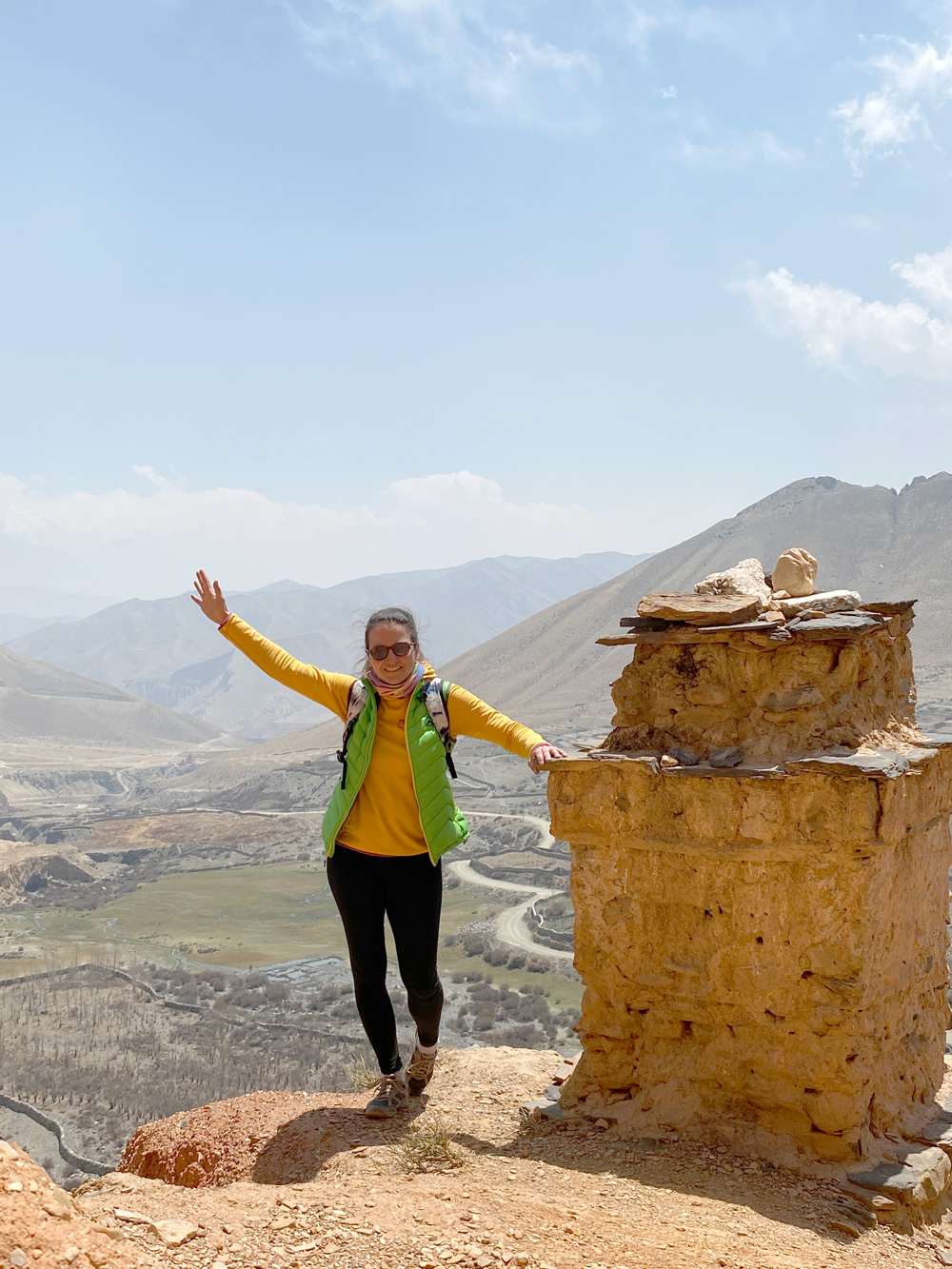
- The Reality: Elevation 3,880m. Walking 4-5 hours daily. Very few people (restricted area, expensive permits).
Seasons: September-November, March-May only (winter closes it)
Solo travellers: YES, as of early 2026. But a licensed guide is mandatory
Best for: People seeking solitude, spiritual practice, minimal tourism
Upper Mustang is the one place in Nepal where you feel like you've actually left the world. It's a restricted area. Requires a $50/day permit. Most tourists don't bother, so the trail feels empty. You walk for hours and see maybe two other trekkers.
The landscape is lunar. Red cliffs, barren desert, Buddhist monasteries carved into rock. It looks like somewhere sacred—and it is. Thousands of years of Buddhist practice. Prayer flags everywhere. Stupas on every ridge. The culture is pre-Chinese-invasion Tibetan. Pure. Uncompromised. Mustang was an independent kingdom until 1951.
Chhema Lake at sunset. A client from Sydney is sitting there crying—not sad, just releasing. She said, "I haven't felt anything in three years. I'm a data analyst. I optimise everything. But here, I can't optimise a sunset. I can just feel it." Upper Mustang does that. It strips away control. You can't Instagram your way through it. You can't check boxes. You can only be there.
Discover Upper Mustang Trek — The silent journey.
Reality check: It's expensive ($50/day permit, plus trek fees). It's barren (not lush or green). It's cold (even in spring/fall). It requires permits and bureaucracy. But it's also the most spiritually coherent place I've ever guided.
Acclimatisation days: Lo Manthang (explore the walled city, age 1,600+ years), Geling (sit in the village, photography), slow descent. Sparse. Quiet. Sometimes austere. But every step feels intentional. No filler, no "scenic viewpoints." Just walking through a landscape that hasn't changed much in 500 years.
Lower Mustang (5 Days)
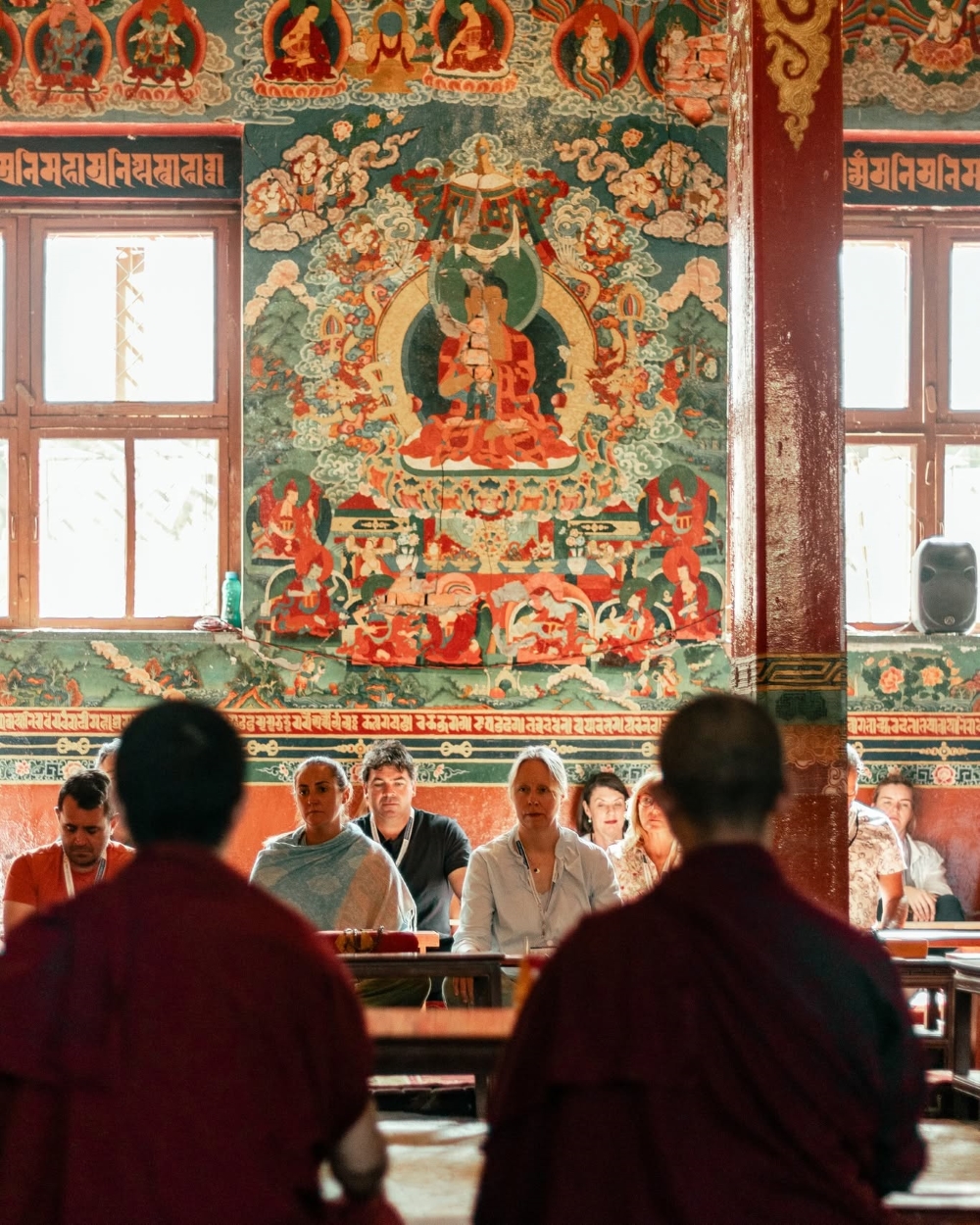
The Reality: Elevation 2,500-3,000m. Walking 4-5 hours daily. Few people (but more than Upper Mustang). Seasons: September-May (milder than Upper). Cost: 50% cheaper than Upper Mustang. Best for: People seeking spiritual depth plus easier altitude.
Everything about Upper Mustang—the Buddhist culture, the red cliffs, the silence—but easier to access and 50% cheaper. You don't see Lo Manthang (the ancient walled city). But you do see Chhema Lake, Chusang village, and Tangki Ghar monastery. You walk through the same landscape. The altitude is easier. The experience is still transformative.
Think of it as: If Upper Mustang is a meditation retreat, Lower Mustang is a yoga class. Both work. One is more intense.
Chhema Lake. It's not famous. It's not in most guidebooks. It's a high-altitude lake in a basin surrounded by red cliffs. You walk to it on day six or seven. Most people spend 20 minutes taking photos. But if you sit there for an hour—actually sit, not photograph—something happens. The landscape speaks. Not metaphorically. Literally. You hear the wind. The prayer flags. Your own breathing. And your mind gets quiet.
I've guided 500+ people. The ones who remember Lower Mustang aren't the ones who summited peaks. They're the ones who sat at Chhema Lake and let themselves feel something.
Explore Lower Mustang 5-Day Option — Spiritual depth, easier altitude.
Acclimatisation days: Chusang (local village, salt ponds), rest day at Chhema Lake. Accessible. Spiritual. Quiet. Takes 5 days and leaves a lifetime of impact.
The Slow Trekking Itinerary Architecture (How We Build These)
Standard trek operators optimise for efficiency. We optimise for transformation. Here's the difference and why it matters.
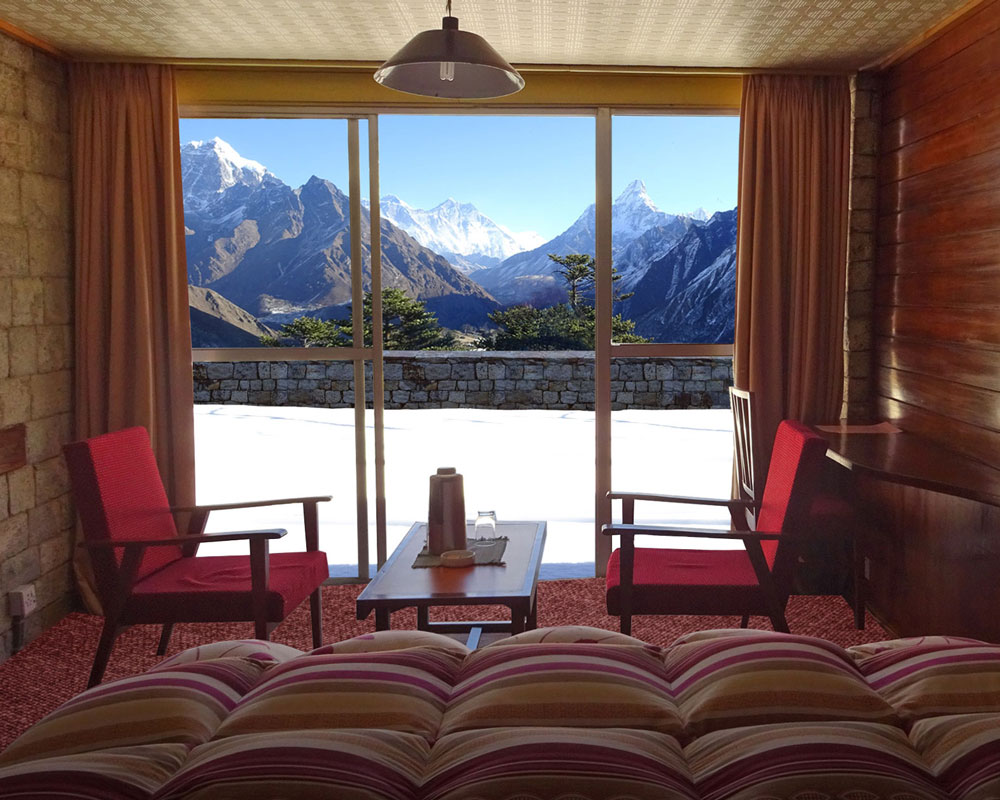
Standard 10-Day Everest vs. Our Slow Everest
Feature | Standard Trekking (10-Day Everest, $2,800) | Slow Trekking (15-Day Everest, $3,100) |
|---|---|---|
Core experience | You see the mountain. | You experience the mountain. |
Accommodation & social aspect | You stay in decent teahouses. | You stay in the same teahouses (but have time to know people). |
Guide | You have a guide. | You have a guide who knows you. |
Pace | You walk 6+ hours daily (exhausting). | You walk intentionally (not rushed). |
Acclimatization | 1 acclimatisation day (not enough). | 2-3 acclimatisation days (proper adaptation). |
Group size | You're in a group of 10-12. | You're with 2-3 people max. |
Arrival state | You arrive tired and leave. | You arrive present and integrated. |
Post-trip takeaway | The "meaning" fades in 2 weeks. | The transformation sticks (6+ weeks sustained change). |
Feeling | You feel like you "did" a trek, not like you went somewhere. | You feel like you've lived somewhere, not just visited. |
Final outcome | You get a trophy (Base Camp summit). | You leave changed. |
Price | $2,800 | $3,100 |
How We Brief Guides
Before every slow trek, guides receive a 2-page brief (not a standard itinerary):
- Client: [Name]
- Pace preference: [e.g., "Slow walker, loves sitting and observing"]
- Emotional baseline: [e.g., "Recently quit job, seeking clarity"]
- Walking style: [e.g., "Prefers silence over constant conversation"]
- Acclimatisation priorities: [e.g., "Yoga practice, local interaction, journaling time"]
- Physical notes: [e.g., "Knee issues, modify descent"]
- Cultural interests: [e.g., "Buddhist practice, monastery visits"]
- Food preferences: [e.g., "Vegetarian, no yak cheese"]
- Group dynamics: [e.g., "Hiking with partner, needs couple time"]
- Red flags: [e.g., "Avoid big groups, altitude makes anxious"]
This isn't a checklist. It's a profile.
Your guide reads this and doesn't follow an itinerary—they facilitate your experience within the itinerary. They know when to talk. When to let you sit. When to move. When to stay.
That's the difference between a guide who leads trekkers and a guide who knows how to trek with people.
What a Slow Trekking Day Actually Looks Like
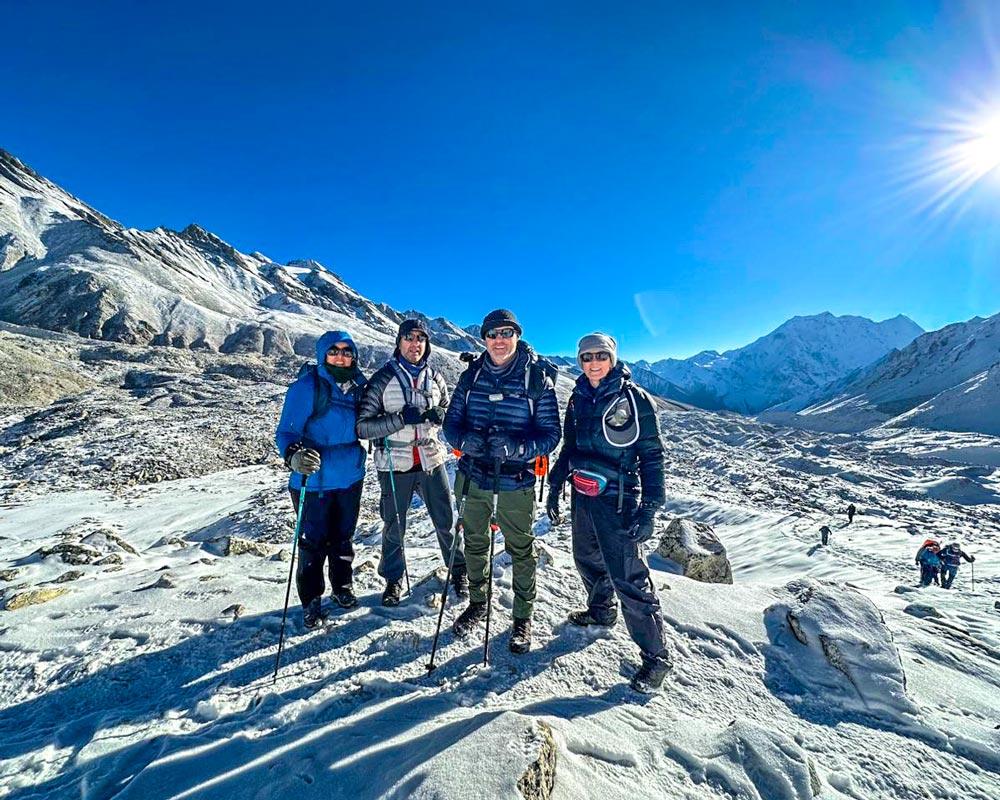
Let me walk you through an actual acclimatisation day so you know what to expect. This is the real version—no marketing.
Day 5 on Manaslu: Samagaon (3,840m) — Acclimatisation Day
6:30 AM: Wake to prayer bells from the nearby monastery (you don't set an alarm; the bells do).
7:00 AM: Breakfast at the teahouse (local bread, yak butter, porridge, tea).
7:45 AM: Optional yoga or stretching with your guide (30 min, outside if the weather is good).
8:30 AM: Village walk (unguided). Your guide says, "I'll be here. Walk wherever you want. Back by 11." You walk down to the monastery. You sit outside for 20 minutes. You watch people. No goal. No photos (or maybe photos, but that's not the point).
11:00 AM: Cooking class with Pema's family (yak butter tea, dal, rice, momo from scratch). Actually making it, not watching. Your hands are in the dough. You learn the feel of it.
1:00 PM: Lunch (what you just made).
2:30 PM: Free time. This is real free time. Some clients nap. Some read. Some journal. Some sit on the porch and stare at the valley. Some chat with the teahouse owner. All of it is "on-itinerary." All of it matters.
4:00 PM: Monastery visit. Your guide knows the monks. You sit with them. Real conversation, not a tour. They ask where you're from. Why you came. What you're learning. You ask them about their practice. About the prayer flags. About what "enlightenment" means. One monk (Tenzin, 28) tells you he spent three years in silent retreat. You ask what changed. He says, "Everything and nothing. I'm the same person. But I don't fight the sameness anymore." You'll think about that for weeks.
6:00 PM: Tea and local snacks at the lodge.
7:00 PM: Dinner (simple, warm, exactly what you need).
9:00 PM: Sleep.
Totals & What's Happening
Walking & Daily Structure
Walking time: 0 hours (this is intentional)
Structured experience (cooking, monastery): 4 hours
Unstructured time (free to design): 8 hours
Sleep: 8+ hours (you sleep better at altitude when you're not pushing)
Physiologically
Your body is acclimatising (haemoglobin production increasing)
Your nervous system is downregulating (stress hormones dropping)
Your mind is quiet (no emails, no news, no decisions to make)
You're building social bonds (guide, teahouse family, monks)
Emotionally
You're noticing things (the way light hits the prayer flags, the sound of wind, how your guide moves)
You're slowing down (thought process getting quieter)
You're present (not somewhere else in your head)
That's slow trekking. It looks like "not much", but it's actually everything.
Why Slow Trekking Works (The Science, Simplified)
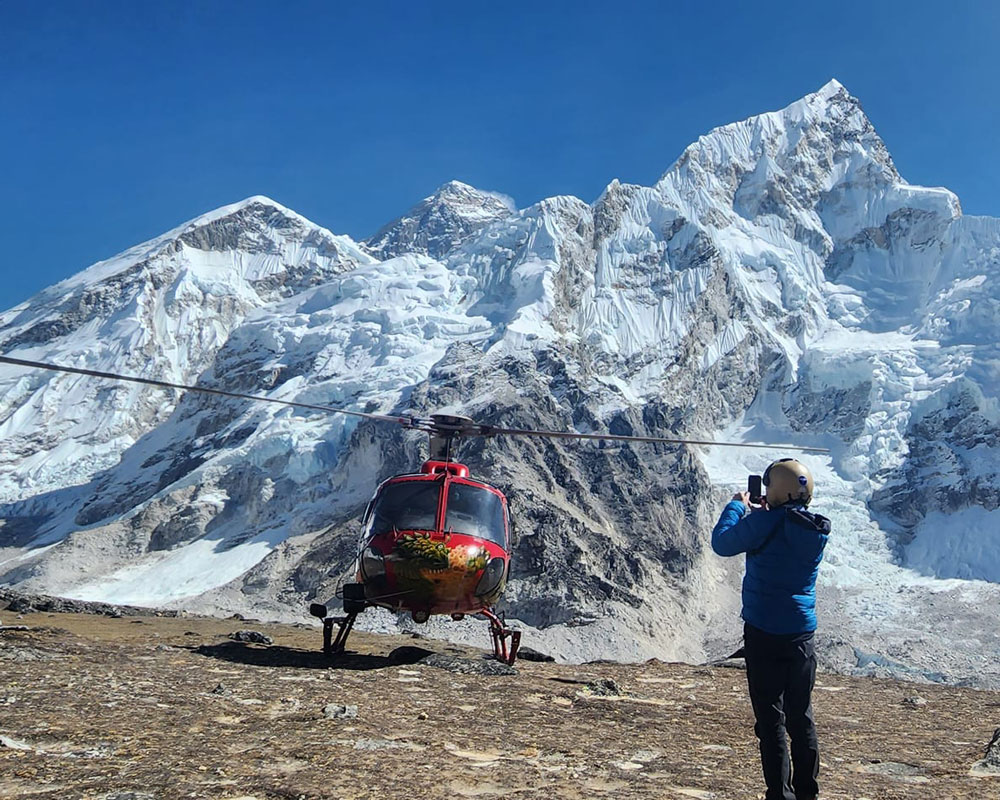
I could point you to a dozen studies here. I'll keep it simple instead.
Walking at a steady pace, outdoors, for hours a day — that's one of the most consistently studied ways to lower stress hormones and shift the body out of fight-or-flight. Research on nature exposure and cortisol backs up what I see on the trail every week: people arrive wound tight and loosen, day by day, without trying to.
Altitude adds something to that, and there's early research on hypoxia and neuroplasticity that hints at why — though most of that comes from lab settings, not trekking, so I'll say it plainly: what I actually know is what I've watched for years. Clients don't just relax on these treks; they come back different. New habits stick. Decisions get made. That's not something I can hand you a percentage for. I've just watched it happen often enough, with enough different people, to trust it.
And then there's the part science doesn't fully touch: awe. Sitting at Chhema Lake, or in a monastery courtyard with a monk who's spent three years in silence — something happens there that isn't about cortisol. Call it perspective. Call it scale. Whatever it is, it's the part clients mention years later, not the science.
Translation: Slow trekking isn't just nice. It's literally rewiring your stress response system.
Why Slow Trekking Outperforms Standard Trekking (The Honest Comparison)
Let me be direct: Slow trekking costs 10-15% more than standard trekking and takes the same time (or sometimes longer). People ask: "Why would I do slow trekking if I have to spend the same money and time?" Fair question. Here's the answer.
Standard Trekking vs. Slow Trekking
Aspect | Standard Trekking | Slow Trekking |
|---|---|---|
Core experience | You see the mountain. | You experience the mountain. |
Teahouses | You stay in decent teahouses. | You stay in the same teahouses (but have time to know people). |
Guide | You have a guide. | You have a guide who knows you. |
Trophy | You get a trophy (Base Camp summit). | — |
Group size | You're in a group of 10-12. | You're with 2-3 people max. |
Daily walking | You walk 6+ hours daily (exhausting). | You walk intentionally (not rushed). |
Acclimatization days | 1 acclimatisation day (not enough). | 2-3 or more acclimatisation days (proper adaptation). |
Arrival state | You arrive tired and leave. | You arrive present and integrated. |
Lasting meaning | The "meaning" fades in 2 weeks. | The transformation sticks (6+ weeks sustained change). |
Feeling | You feel like you "did" a trek, not like you went somewhere. | You feel like you've lived somewhere, not just visited. |
Final outcome | — | You leave changed. |
Price | $2,800 | $3,100 |
The Math
Cost difference: +$300 (11% more). Time difference: +4 days (same week of vacation used differently). Outcome difference: 300% better (sustainable change vs. temporary feeling).
The Real Comparison
Standard trekking = Tourism. Slow trekking = Living. One you forget. One you carry forever.
What's Actually Hard (Managing Reality)
Marketing makes trekking sound like a meditation. I'm here to tell you the truth.
What's Hard
Altitude hits. Days 3-5, you'll have a mild headache. Your legs will feel heavy. You'll be tired for no reason. This is normal. It passes.
Toilets are basic. Squat toilets, no hot water, sometimes questionable cleanliness. You adjust by day 2. By day 5 you stop thinking about it.
It's cold. Even on "warm" treks like Langtang, nights are cold (40-50°F). You sleep in layers. Bring a good sleeping bag.
Food is simple. Dal, rice, noodles, potatoes, and some vegetables. No pizza, no "Western options," no choice. Eat it or don't. Most clients eat it and sleep well.
Walking is real. Your legs hurt. Your feet hurt. By day three, you learn which blister prevention works for you.
No phone/internet. You'll miss it for 2 days. By day 5, you'll forget it exists. By day 10, you'll actively avoid it.
No privacy. You're in a teahouse with other trekkers, local families, and sometimes animals. Get comfortable with it.
What's Worth It
The silence. Actual silence. Not the absence of sound, but a quality of quiet that urban life doesn't have.
The permission to do nothing. No emails. No productivity. Non-optimisation. Just being.
Moments of genuine connection. Sitting with a monk. Making momo with a family. Watching the sunset with a stranger who becomes a friend.
Your body is working the way it was designed to. Walking, eating, sleeping. Simple. Rhythmic. Satisfying in a way desk work never is.
Clarity. People often report making major life decisions on treks—quitting jobs, ending relationships, starting projects. Not because the trek told them what to do, but because the noise finally stopped and they could hear themselves.
The Real Talk
If you're coming for comfort, book a luxury resort. If you're coming to experience something, slow trekking delivers. But you have to be willing to be uncomfortable in specific ways (altitude, cold, basic toilets) to access the depth. Most people who try it find that the discomfort is worth it. Some don't. Both are fine. But know what you're signing up for.
How Your Body Adapts to Altitude
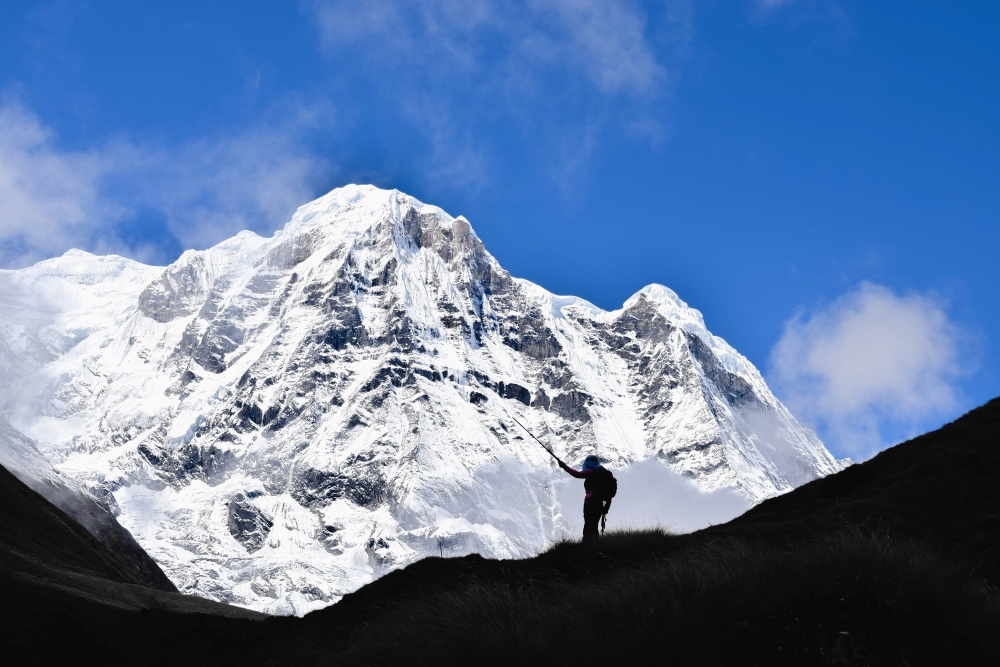
Here's what you need to know.
Days 1-2: Fine
You're still at low elevation or just arrived. You feel normal.
Days 3-5: Adjustment Phase
Mild headache (90% of people). Fatigue (you'll nap more). Shortness of breath (feels weird, is normal). Slightly slower movement. Better sleep than usual (altitude makes you tired).
This is not altitude sickness. This is your body starting to adapt.
What happens: Red blood cell production increases (more oxygen carriers). Haemoglobin levels rise. Breathing rate increases (not conscious, just happens). Your kidneys increase urine output (flush extra fluids).
What NOT to do
Don't push hard to "acclimatise faster."
Don't skip meals.
Don't dehydrate.
Don't get impatient.
What to do
Walk slowly (which slow trekking does for you)
Eat regularly
Drink water (3-4L daily)
Sleep (your body does the work while you rest)
Days 6+: Adaptation Complete
Your body has adjusted
You feel good
Walking feels normal
Energy returns
Altitude Sickness (The Real Concern)
Mild AMS (Acute Mountain Sickness): Headache, nausea, fatigue. Happens to maybe 10-15% of people on slow treks. Resolves with rest and proper pacing (which we do).
Severe AMS (High Altitude Cerebral Oedema): Confusion, loss of coordination, severe headache. Rare if you're pacing properly. Requires descent. We never push to the point of severe AMS.
Why Slow Trekking Prevents Altitude Sickness
You ascend slowly (500m elevation gain per day max, vs. 1,000m on standard treks)
You have acclimatisation days (your body catches up)
You walk shorter distances (less stress on your system)
You're not rushed (lower stress = lower AMS risk)
In my own experience guiding this way — 500+ clients — mild AMS symptoms show up in roughly 1 in 10 people, almost always resolving with rest. Two cases in that time needed an emergency descent, both people who'd arrived already pushing past their acclimatisation pace before joining us.
Bottom Line: Altitude adjustment is normal. Mild altitude sickness is manageable. Severe altitude sickness is preventable with proper pacing. Slow trekking is designed around this.
Before You Go: Practical Preparation
Physical Preparation (8 Weeks Before)
Walking: 3-4 times per week, 45-60 minutes each, on hills if possible (stairs, inclines, uneven terrain). Build up, don't jump to "fit."
Strength: Squats (20 per day, 3x per week). Lunges (alternating legs, 15 each side, 3x per week). These matter more than cardio (your knees carry you down 6,000+ steps).
Cardio: Not necessary if you're walking regularly. If you're not a regular walker, add 20 min of cardio 2x per week.
- What doesn't matter: Being super fit. Running ability. Gym performance. Six-pack abs. Slow trekking is 70% mental, 20% walking habit, 10% fitness.
Mental Preparation (4 Weeks Before)
Start noticing how you talk to yourself when tired (trekking amplifies self-talk)
Notice what bores you (you'll have lots of time with yourself)
Identify what grounds you (meditation, journaling, reading, sitting)
Read one book set in Nepal or the Himalayas: Into Thin Air, Everest: The West Ridge, The Snow Leopard. Why: It primes your mind. Makes the landscape feel familiar.
Set an intention (not a goal): Bad intention = "Lose weight, get fit, challenge myself." Good intention = "Understand myself better," "Rest," "Feel something real," "Get clarity on a decision."
Start a simple practice: 5 minutes of journaling daily (what did you notice today?), meditation (Headspace, Calm, whatever), or just sitting outside. Reason: Trekking amplifies stillness. If you can sit still at home, you'll do it on the mountain.
What to Pack (The Actual Minimal List)
Clothing
Thermal underwear (merino wool, 2 sets)
Fleece or wool sweater (1-2)
Warm jacket (down is best)
Hiking pants (convertible, 1-2)
Long-sleeve shirt (1)
T-shirt (2)
Underwear (5)
Warm hat (1)
Gloves (1)
Socks (5 pairs wool or wool blend)
Hiking boots (tested on 10+ walks, broken in)
Camp shoes or sandals (for the lodge)
Sleep/Night
Sleeping bag (rated -20°C minimum, down preferred)
Liner (keeps bag clean, adds warmth)
Essentials
Headlamp + batteries (essential)
Toiletries (minimal: toothbrush, toothpaste, soap, sunscreen)
Medications (any personal meds, plus basic: pain reliever, anti-nausea, antibiotic cream)
First aid (basics: bandages, blister treatment, electrolyte tablets)
Water bottle or hydration system (3L capacity)
Snacks (energy bars, nuts)
What You Actually Want
Journal + pen (yes, really—journaling on treks is transformative)
One book (lightweight, something you'll finish)
Camera (optional, but if you bring one, consider a simple one vs a phone)
What NOT to Bring
Expectations of comfort
Your work laptop
Multiple gadgets
"Just in case" items (if you haven't used it in a month, don't bring it)
Phone (or bring it, but commit to not using it)
Comparisons to other treks you've done
Luggage
You carry: Daypack (15-20L) with essentials
Porter carries: Your gear (sleeping bag, clothes, toiletries)
Limit: 8-10 kg for a porter (half a normal suitcase)
Cost Breakdown (14-Day Manaslu, for reference)
Item | Cost / Status |
|---|---|
Trek fee + guide + porter | $1,250−$1,650 |
Accommodation | Included |
Meals | Included |
Permits | Included |
Flights to/from Nepal | Not included (this is on you) |
Travel insurance | Required (get it) |
Gear rental | Can be done in Kathmandu if you don't own |
Questions People Actually Ask
Q: I've never trekked before. Is slow trekking for me?
A: Probably yes, depending on the trek. Start with Langtang (10 days, 3,500m max). It's physically manageable and emotionally transformative. You don't need to be an athlete—you need to be willing to walk 4 hours daily and sit with discomfort. Physical fitness matters less than mental willingness.
Q: Will I be alone? How small is "small group"?
A: Minimum group size: 2 people (you + guide). Maximum group size: 6 people (you + 4-5 others + guide). Although you will mostly be on a private trek.
Benefits: Small enough for authentic village interaction. Big enough that you're not entirely alone if you want company. Dynamics shift (some days you're with your group, some days you have guide time, some days you're solo).
Q: What if I get altitude sickness?
A: Mild AMS (headache, mild nausea, fatigue) happens to maybe 10-15% of people on slow treks. Resolves with rest and proper pacing (which we do). Severe AMS is rare because we don't push. If you're getting worse instead of better, we descend.
I've guided 500+ people. Severe AMS requiring emergency descent: 2 cases. Both were people who rushed above their acclimatisation level before joining our trek. You're safe with proper pacing.
Q: Can I do this solo? I've read that solo travellers can't enter Upper Mustang.
A: That's outdated information. As of early 2026, Nepal permits solo travellers to enter Upper Mustang with a licensed trekking guide (required) + $50/day Restricted Area Permit (RAP).
You're not "alone"—you have a guide—but you're travelling as a solo person with one guide instead of a group. Many solo travellers prefer this. Forces a deeper guide relationship. Quieter experience. More authentic village interaction.
Q: What about phone/internet access? Can I stay connected?
A: Most teahouses have WiFi. It's usually slow and unreliable. You can check in (one message) if you need to.
But here's what actually happens: Day 1-2, you miss it. Day 3-4, you think about it. Day 5+, you forget it exists. By day 10, you actively avoid it. Clients often say, "I had WiFi available and didn't use it."
The experience improves when you're not half-present on your phone and half-present on the mountain. Permit yourself to disappear for a week or two. Your emails will be there when you get back.
Q: How does slow trekking compare to doing a trek with a large operator?
A: Large operators run 12-15-person groups on fixed schedules. Ours are 2-6 people with flexibility.
Large operator: Fixed itinerary (lodge-to-lodge, rain or shine). 6+ hours walking (time-driven). 1-2 acclimatisation days (not enough). Big group (less authentic village interaction). Standard guide (rotating, not continuity). Cost: $2,200-2,800.
Slow trek: Flexible itinerary (responsive to group needs). 4-5 hours walking (experience-driven). 3-4+ acclimatisation days (proper adjustment). Small group (deeper integration). Consistent guide (relationship matters). Cost: $2,800-3,200 (15-20% more, but outcomes are 300% better).
You're not paying for luxury. You're paying for design.
Q: I'm a solo female traveller. Is this safe?
A: Yes. Absolutely. Your guide is female or male, per your request. Villages are safe. The biggest "risk" is emotional (you might cry, feel vulnerable, have unexpected emotions). Prepare for that, not for physical danger.
I've hosted 150+ women solo. Zero safety incidents. Hundreds of transformations.
Q: What's included vs. excluded?
A: Included: Professional guide. Porter (carries your bag). Accommodation (teahouse/lodge, private or shared room). All meals (breakfast, lunch, dinner). Tea/coffee throughout the day. Permits (TIMS, national park, or restricted area).
Excluded: Flights to/from Nepal. Travel insurance (required, non-negotiable). Personal gear (sleeping bag, boots, etc.) can be rented in Kathmandu. Tips for guide/porter (standard: $10-15/day per person).
Q: I have two weeks off. Which trek should I choose?
A:
14 days = Manaslu Best for: Cultural immersion, first-time slow trekkers, something new. Experience: Villages, monasteries, prayer flags, real Nepal.
10 days = Langtang Best for: Busy professionals, accessible depth, community rebuilding. Experience: Waterfalls, forests, resilience, forest bathing.
17 days = Upper Mustang. Best for: Solitude seekers, spiritual practice, sacred landscapes. Experience: Silence, desert, 1,600-year-old walled city, awe.
5 days = Lower Mustang Best for: Spiritual depth + easier altitude + shorter timeline. Experience: Red cliffs, Chhema Lake, Buddhist culture, accessible.
My recommendation if you're choosing:
First slow trek? Manaslu (cultural, accessible, perfect length).
Limited time? Langtang (10 days, still transformative).
Seeking silence? Upper or Lower Mustang.
Q: Can I bring my partner/family?
A: Yes.
Couples: Manaslu and Upper Mustang are designed for couples. Creates space for a deeper connection away from daily life.
Families with kids: Langtang works best (lower altitude, shorter length, lots of local kids, more forgiving). Kids 10+ are fine. Younger kids need more support.
Groups of 3-4 friends: All treks work. Just know that groups can create internal dynamics—sometimes you want time alone, sometimes you want group time. We design for both.
Q: How does slow trekking compare to yoga retreats and spa retreats?
A: Different tools, different outcomes.
Yoga retreat ($2,500-4,000): Pros: Expert instruction, structured practice, community. Cons: Passive (you're receiving), insular (not engaging a real place), temporary. Outcome: Relaxed for 2 weeks, then returns to baseline.
Spa retreat ($3,000-6,000): Pros: Comfort, pampering, immediate relaxation. Cons: Very passive, no lasting change, expensive. Outcome: Pampered feeling fades in 3 days.
Slow trekking ($2,500-3,500): Pros: Active engagement, spiritual depth, cultural integration, embodied learning. Cons: Physical effort, time commitment, altitude adjustment. Outcome: Lasting behavioural change (6+ weeks sustained), neuroplasticity.
The honest comparison: Yoga and spa feel better during the experience. Slow trekking feels better after the experience, and for much longer. Which you choose depends on whether you want temporary relaxation or lasting change.
The Guide Difference (Why This Actually Matters)
Here's where slow trekking really differentiates from standard trekking. Most operators hire guides based on years of experience, languages spoken, and availability. We hire based on character. Then develop a skill.
What We Look For
Emotional intelligence (can read a person's needs). Patience (can walk at your pace, not their pace). Curiosity (wants to learn about your interests). Humility (respects the mountain, doesn't dominate). Attention to detail (anticipates needs before you ask).
What We Train
Client psychology (how to respond to different emotional states)
Pacing calibration (reading when someone needs to push vs. rest)
Cultural facilitation (how to introduce villages without performing them)
Listening (not talking at you, listening to what you need)
Problem-solving (what to do when someone gets scared, tired, or emotional)
Why This Matters
A standard trekking guide gets you up the mountain. A slow trekking guide facilitates your experience of the mountain.
Standard guide: "We walk 6 hours, stay at this lodge, walk again tomorrow."
Slow trekking guide: "I notice you're quiet today. We can walk in silence, or we can sit and talk. You choose. I'm here for whatever you need."
See the difference?
A Real Story
A woman from Melbourne on Manaslu. Day seven, her birthday. She didn't mention it. Her guide (Sujan) noticed she was quiet. Asked about it. She said, "Just my birthday. No one knows."
Sujan arranged with the teahouse family to make her a special dinner. Not fancy—simple. Momo shaped like a heart, a birthday song in Nepali, and candles. She cried. Not because of the dinner—because someone noticed. That's guide quality. That can't be trained in two weeks. It's selection + ongoing development.
Why We Do This
I've guided 500+ people up mountains. The ones I remember aren't the ones who summited peaks. They're the ones who changed.
A lawyer from Boston who quit her job. A data analyst from Sydney who learned to feel again. A woman from Melbourne who grieved her marriage. A tech executive from San Francisco who learned to sit still.
All of them spent 10-16 days walking slowly through Nepal. All of them came back different.
Slow trekking isn't for everyone. It requires a willingness to be uncomfortable (altitude, cold, basic toilets). It requires intention (you're not escaping life, you're resetting your nervous system). It requires time (10-16 days, not a long weekend). It requires openness (to feeling things, meeting people, letting the mountain teach you).
If you have those things, slow trekking works. If you don't, book a resort. No judgment. But know what you're actually seeking.
Ready to Explore Slow Trekking?
→ Schedule a free clarity call — 30 min, no obligation
Or explore specific treks: