There's a difference between a "cooking class" that teaches you to perform for Instagram and one that actually teaches you to cook Nepali food that tastes authentic at home.
Most tourist cooking classes fall into the first category. They're theatre: a few flashy dishes, quick lessons, group experience, done in 3 hours. You leave with photos and partial knowledge.
A real Sherpa cooking class is different. It's slower. It's hands-on. It teaches you the principles, not just the steps. You learn why spices balance the way they do, not just which ones go in the pot.
What's Actually Different About "Authentic" Cooking Classes
Most cooking classes in Kathmandu follow the same structure: meet in the morning, visit the market, buy ingredients, return to the kitchen, prepare 2-3 dishes quickly, eat, done by noon.
This works for tourists with limited time. But it sacrifices depth for convenience. You don't learn technique — you watch someone do it once, attempt it once, and move on.
An authentic class — the kind HST includes in treks like the Annapurna Luxury Lodge Trek — differs in critical ways:
Duration: 2-3 hours minimum, often half a day. This isn't rushed.
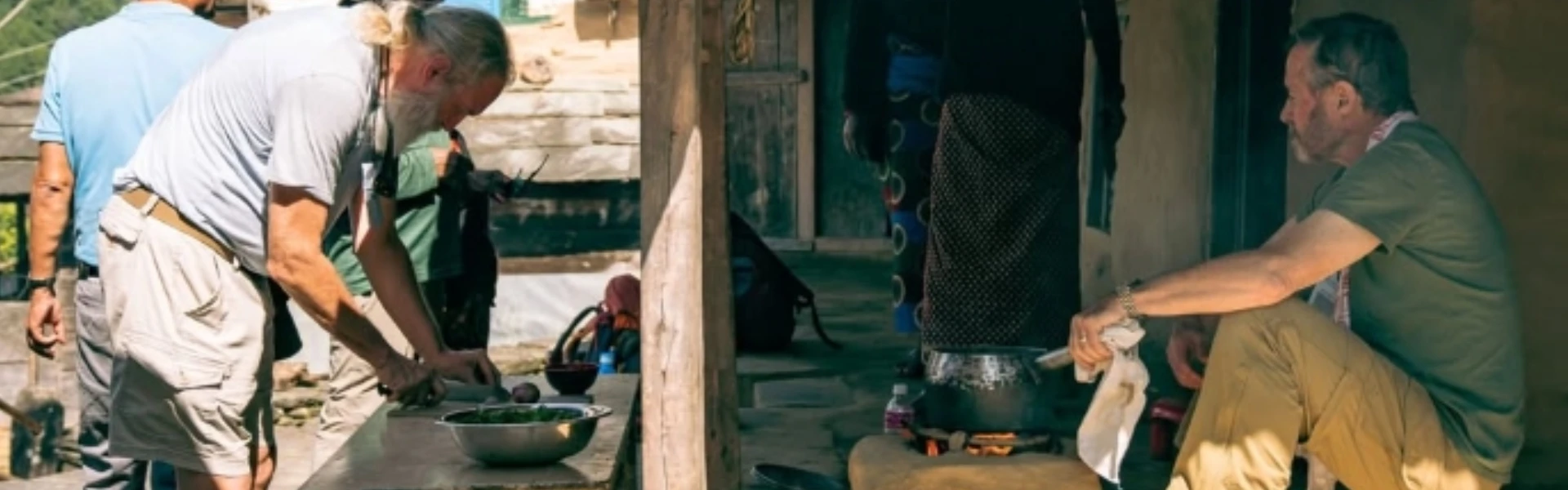
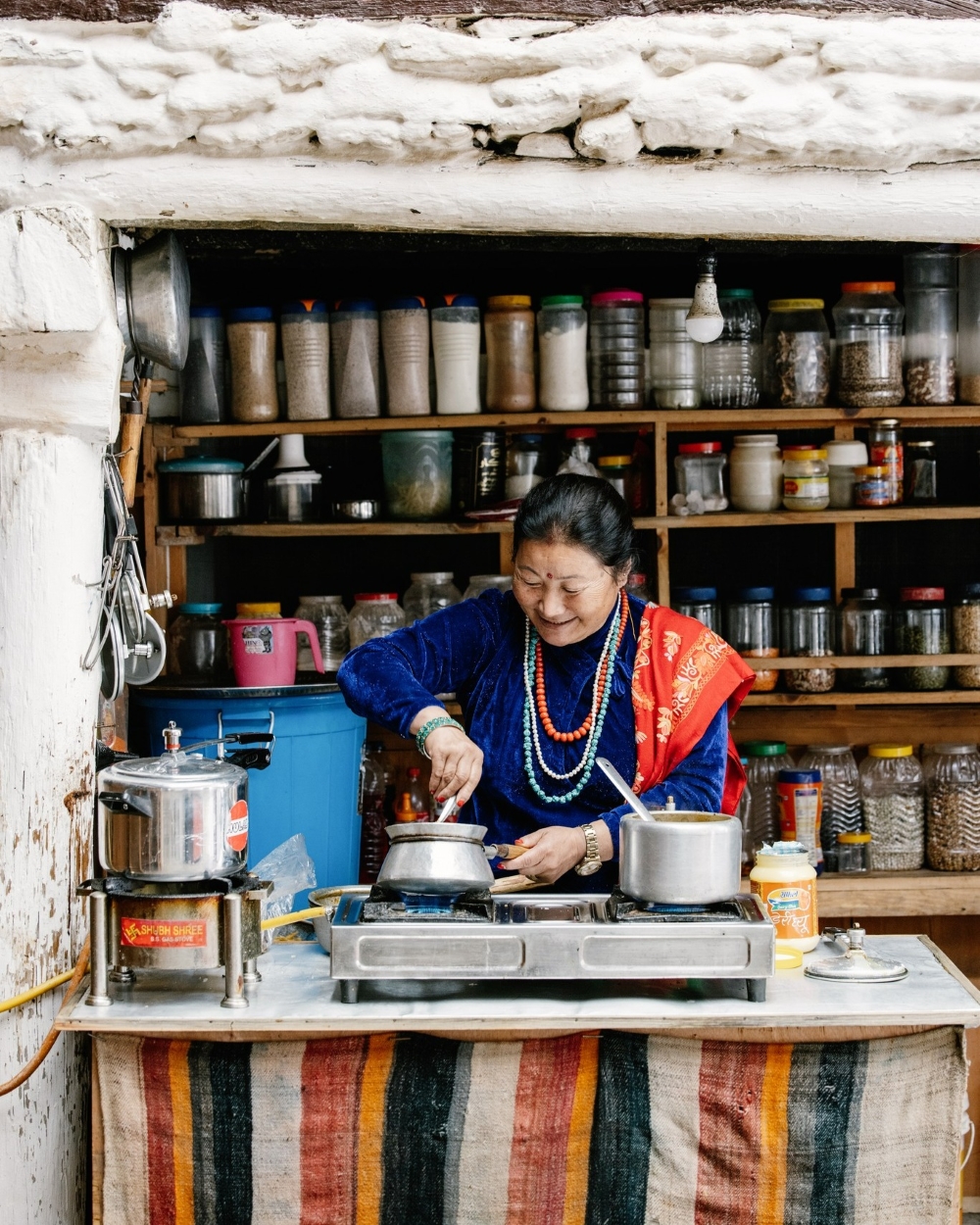
Setting: Family kitchen, not a commercial teaching space. The chef cooks here daily, not just for classes.
Dishes: What the family actually eats, not what tourists expect.
Teaching style: Conversational and patient, not performance-oriented.
Relationship: You meet again that evening, eat what you made together, and talk about the food.
The key difference: In authentic classes, you're learning from someone who cooks this food not because they're teaching you, but because it's how they eat. That distinction changes everything.
The Dishes You'll Actually Learn
Dal (Lentil Soup)
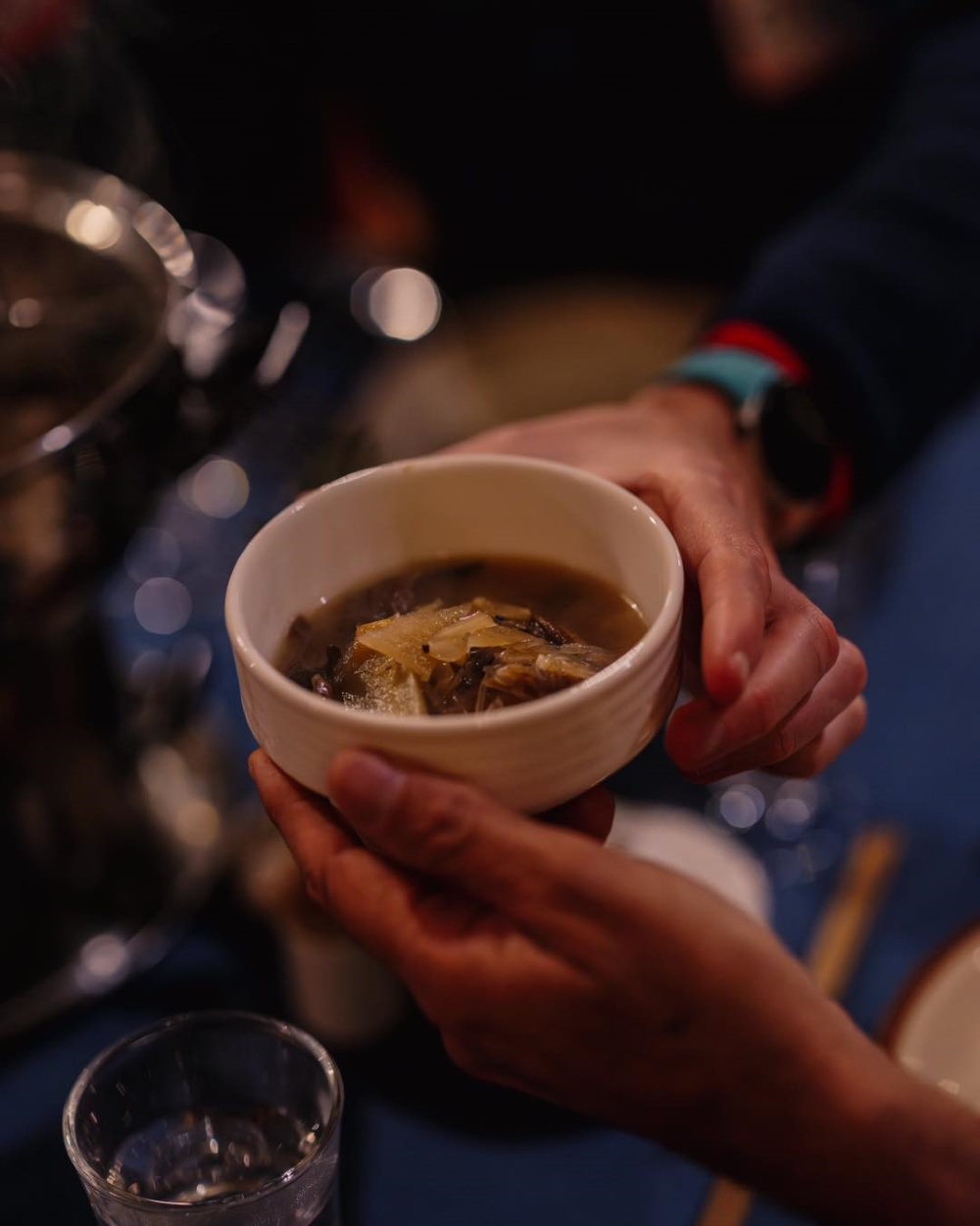
The foundation of Nepali cuisine. Dal appears at nearly every meal. What seems simple — boiled lentils — is actually intricate. The cook's skill is in the balance: when to add spices, how to temper mustard seeds and cumin seeds, and how long to cook so the lentils are soft but retain structure.
You'll learn that good dal isn't about ingredients (lentils, turmeric, salt, oil — that's it) but about technique and timing. This understanding transfers to other dishes.
Momo (Dumplings)
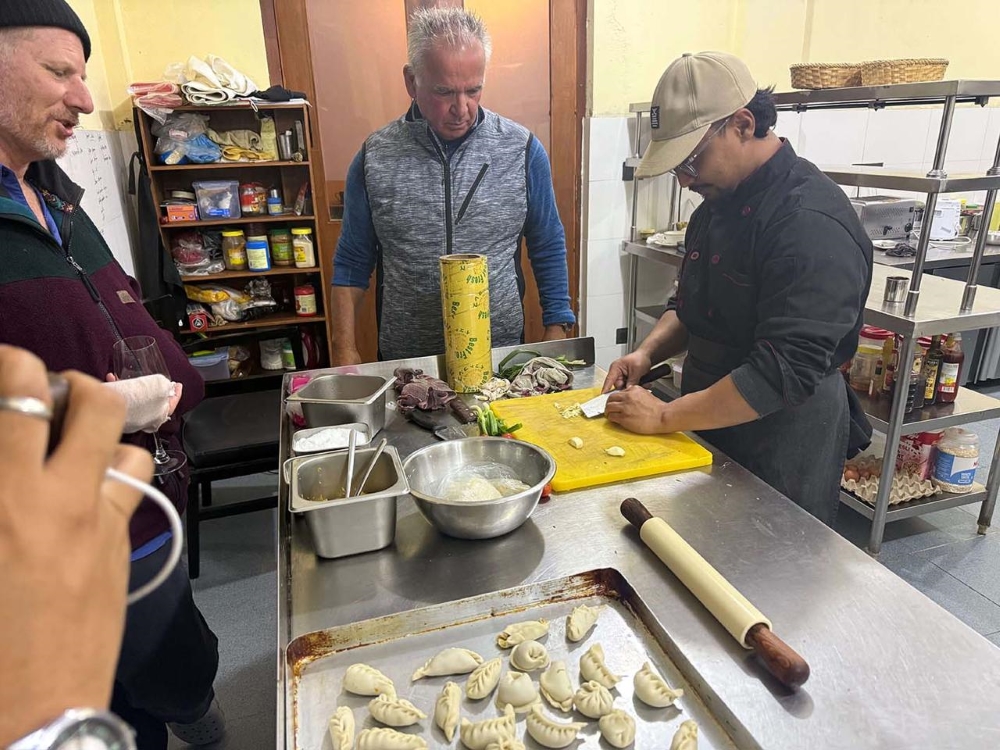
Momo is often the signature dish of cooking classes because it's manual and visible. You'll learn dough making, filling preparation (vegetable or meat), and the hand-folding technique. The work is meditative. You discover why pressure and angle matter when folding — how they affect cooking and texture.
Most travellers try momo dozens of times in Nepal but never understand how they're made. A class reveals this.
Tarkari (Vegetable Curry)
"Tarkari" means curry generically. But the actual dish is specific: tomato-based, spiced with cumin, garlic, ginger, and turmeric. You learn spice tempering — frying spices in hot oil first to release flavour. This single technique changes every curry you make.
Roti or Chapati (Flat Bread)
Flatbread is a staple, and making it well requires practice. The dough texture, rolling thickness, pan temperature — these all matter. A good cook can make roti consistently; a mediocre one produces inconsistent results.
What You're Actually Learning (Beyond Recipes)
Spice Philosophy
Nepali cooking relies on a specific set of spices: turmeric, cumin, coriander, mustard seed, fenugreek (methi), ajwain, and asafoetida (hing). An authentic class teaches you why this combination works — it's not random tradition, it's functional.
Turmeric adds colour and mild bitterness. Cumin adds earthiness. Coriander adds sweetness. Mustard seed adds crunch and nuttiness when tempered. When you understand these individual roles, you understand why Nepali food tastes the way it does.
Ingredient Selection
The market visit teaches you how to choose ingredients. What does a good tomato look like? How do you select lentils? Why does one type of oil work better for one dish than another? These details determine the final flavour.
Technique Over Precision
Nepali cooking is guided by feel, not exact measurements. A pinch of salt. Enough ginger to scent your hand. Cook until it "smells right." This seems chaotic to Western cooking, but it's efficient and resilient. You learn to cook by intuition.
Why This Matters When You're Trekking
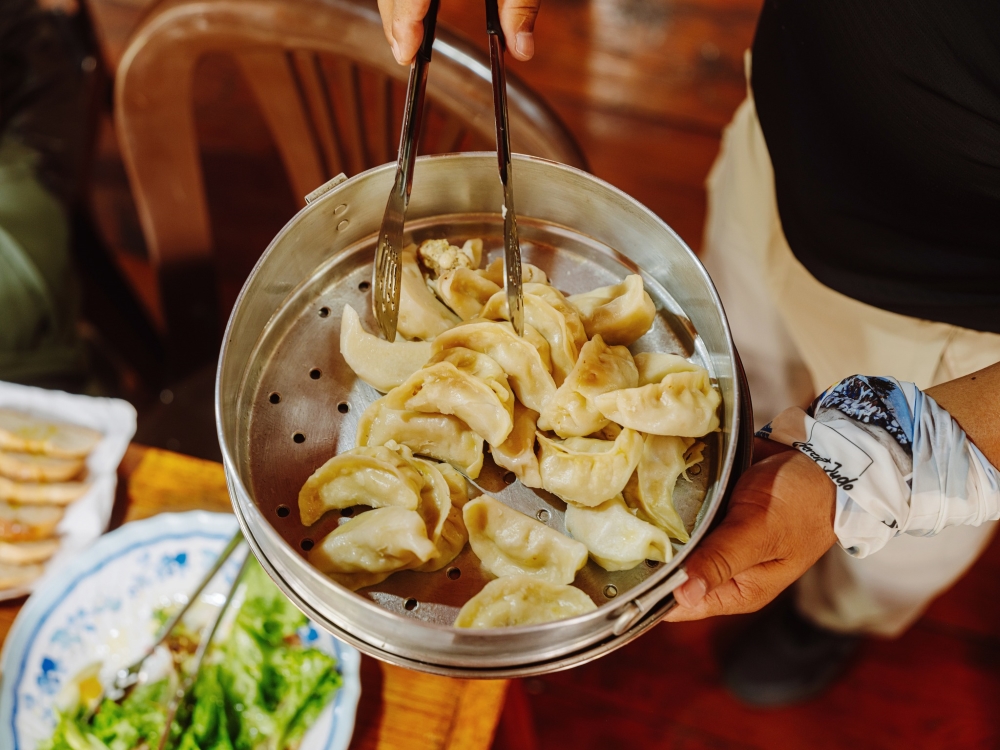
On the Annapurna Luxury Lodge Trek, you learn to cook in Day 6, in Dhampus village, overlooking the Annapurna range. This isn't random timing.
By Day 6, your body has acclimated. You've been on the trail long enough to understand the landscape and have conversations with locals. When you cook with a Nepali chef, you're not a tourist in Kathmandu doing an activity. You're someone immersed in the region, learning how the people here actually eat.
You cook afternoon food in a family kitchen while overlooking the mountains you've been walking toward. You eat what you made that evening. The memory is completely different from a rushed morning class.
The Reality Check: Cooking Classes Aren't Perfect
Be honest with yourself: most cooking classes are structured around a limited menu of dishes because they need to fit a timeframe and appeal to tourists. You won't learn extensive Nepali cuisine in one session.
What you'll actually be able to do:
Make basic dal that tastes authentic
Fold momo reasonably well (though speed comes with practice)
Prepare a simple vegetable curry
Make decent flatbread
What you won't immediately master:
The speed at which a professional cook works
The subtlety that comes from decades of practice
The extensive regional variations across Nepal
But here's what actually matters: you'll understand the foundations. You'll be able to recreate these dishes at home. And you'll have hands-on memory of preparing food in Nepal, which is completely different from just reading about recipes.
How to Find Good Cooking Classes
If you're booking independently (not through a trek operator):
Avoid: Classes advertised heavily to tourists, classes that promise "authentic Sherpa experience" in Thamel, classes that feel rushed or commercialised.
Look for: Classes taught by locals in their own kitchen, classes that limit group size to 4-6 people max, classes where the teacher actually lives in that house.
Check:Recent reviews on TripAdvisor or Google (not just the business's own website), look for reviews mentioning the teacher by name, check for reviewers who felt like they learned skills vs. just had an experience.
Ask: Does the teacher answer questions about why spices are used, or just tell you what to do? Can you modify the menu based on your interests? Is there flexibility?
Cooking Class as Trek Component
On a trek that includes a cooking class — especially on the Annapurna Luxury Lodge Trek — the experience is integrated differently. You're learning from someone your guide knows. You're in a village lodge, not a commercial kitchen. The food matters because you eat it that night. The chef cares about your experience because you're a guest in their home, not a transaction.
This is why cooking classes embedded in trekking itineraries often outrank standalone city classes in impact. The context changes meaning.
Experience Cooking in the Mountains
The Annapurna Luxury Lodge Trek includes an afternoon cooking class on Day 6 with a local chef in Dhampus village. You source ingredients at the local market, prepare traditional dishes, and eat overlooking the mountains.
Deepen Your Cultural Immersion
About This Guide: HST includes cooking classes in select treks because we believe hands-on cultural learning deepens the overall experience. This article reflects what actually happens in authentic classes, not marketing speak.
Questions about cooking classes on the Annapurna trek? Contact us — we can discuss which treks include cooking and how it's structured.