You've seen the marketing: "Luxury trek," "five-star Himalayan experience," "premium mountain lodges." The language is everywhere. But if you've ever researched what luxury actually means in Nepal's mountains, you know something is broken about that marketing.
There are no five-star hotels above 3,000 meters. The trail is the same whether you pay $800 or $3,800. Cold nights happen to everyone. And the mountain will not care about your thread count.
So what, actually, is a luxury trek?
The Marketing Lie: What Luxury Trekking is NOT
The luxury trekking industry has a problem: it's built on a fundamental misunderstanding of what luxury can mean in the mountains.
Most luxury trek marketing assumes luxury equals comfort, and comfort equals amenities. Heated rooms. Restaurant-quality meals. WiFi connectivity. Hot showers with reliable water pressure. The luxuries of a city translated upward into altitude.
None of this exists above 4,000 meters. Not because operators don't care, but because the mountain makes certain things impossible. At 5,364 meters (Everest Base Camp), a heated room is technically possible, but defeats the entire point of being where you are. The cold is part of the experience. Fighting it with expensive heating systems is fighting the mountain itself.
The real problem: Operators who market "luxury" by promising hotel-like comfort are either lying outright or have never actually stayed at altitude themselves. Clients arrive expecting one thing, discover something completely different, and feel disappointed.
A second problem: premium pricing often justifies itself by claiming exclusivity — smaller groups, private guides, customised itineraries. This is fine and actually worthwhile. But some premium operators charge 3-4x the price of a standard trek without actually delivering proportionally better experiences. They're charging for the marketing, not the mountain.
What Luxury Actually Means Below 3,500 Meters
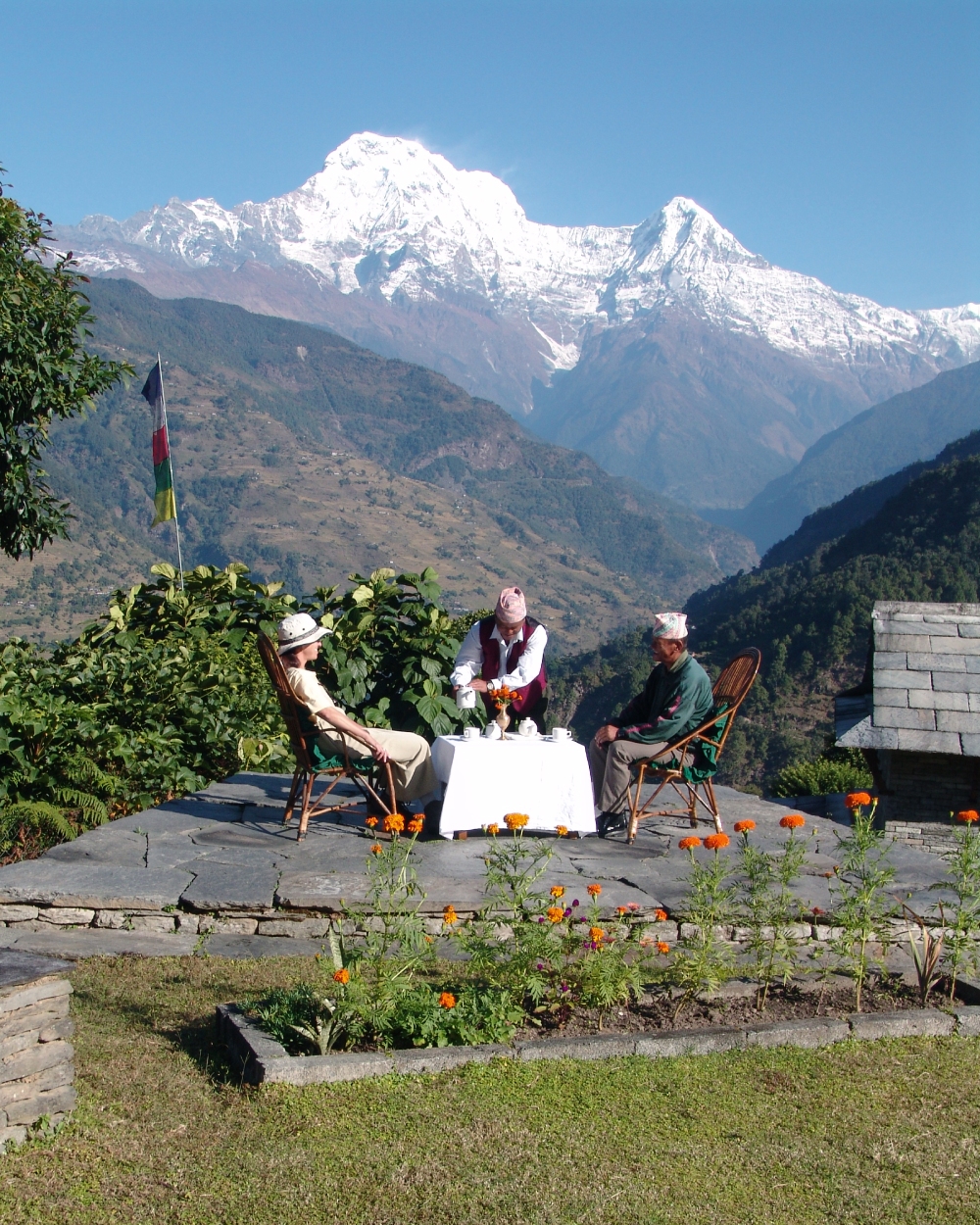
There is a legitimate zone where luxury trekking genuinely works: the lower elevations where infrastructure exists.
Below 3,500 meters — which includes much of the approach valleys to Everest, Annapurna, and Langtang — boutique lodges with real amenities do exist. Heritage properties, family-run operations, thoughtfully designed rooms with attached bathrooms, hot showers that work consistently, dining areas where food is genuinely good (not just "good for a teahouse").
At this elevation, the definition of luxury shifts from comfort to attention. A lodge owner who knows your name. Food cooked specifically for you, not to satisfy 30 anonymous trekkers. A guide who stays with you for multiple treks because he's not cycling through clients like widgets. An operation that anticipates your needs before you articulate them.
The Lodge as Basecamp, Not Destination
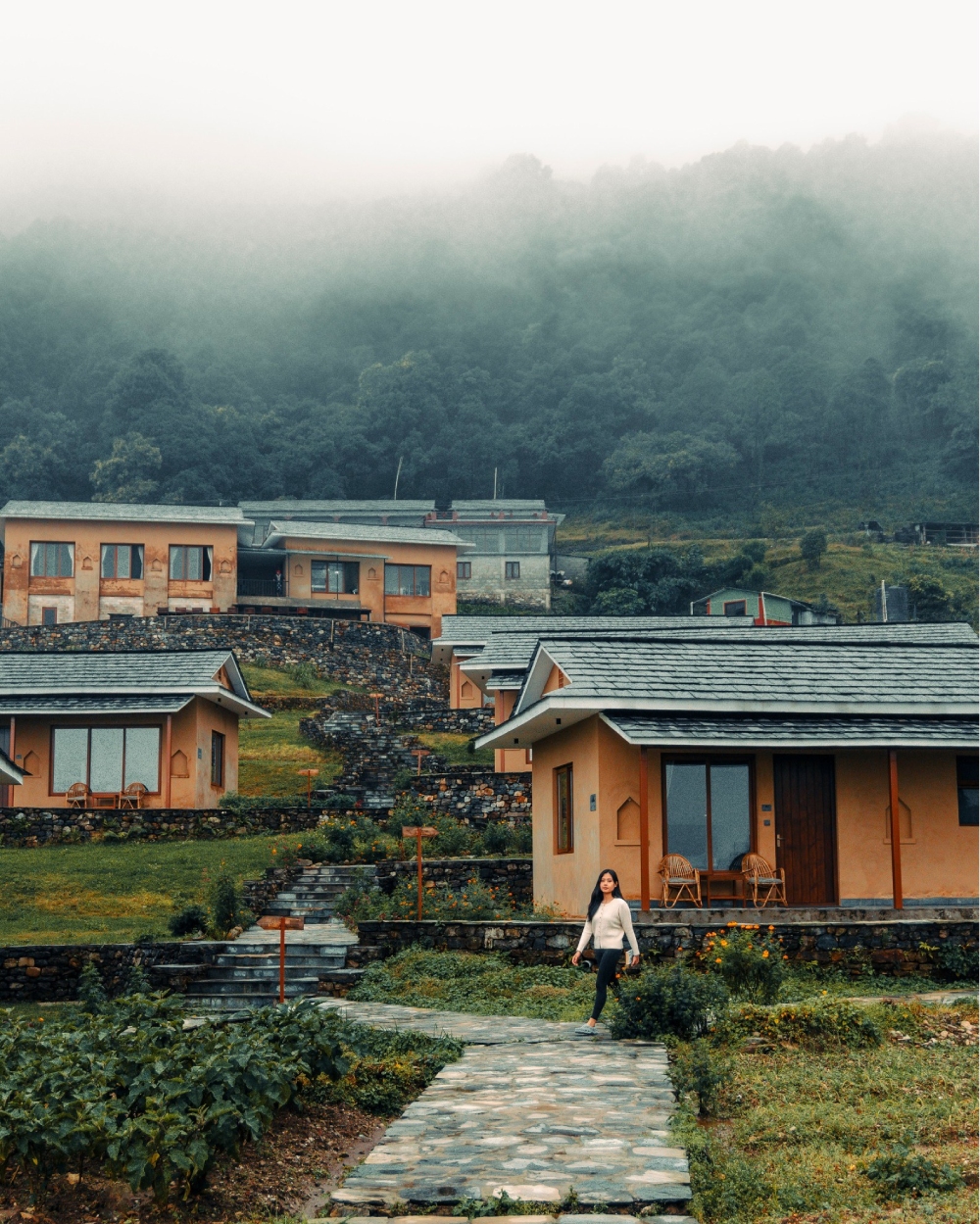
Here's the critical distinction: a luxury lodge at 1,600-2,500 meters is not the experience. It's the foundation that enables the experience. The experience is the walk through villages, the conversations with locals, and the way light hits the mountains at 6 am. The lodge exists to restore you so you can fully inhabit those moments the next day.
This is why HST's approach to selecting lodges is fundamentally different from how most operators approach it. We don't ask: "Is this lodge famous?" or "Does it have a spa?" We ask: "Does this lodge enhance our clients' connection to the destination, or does it insulate them from it?"
A lodge in the middle of a tourist hub — surrounded by other lodges, serving standardised menus to passing tour groups — might have excellent beds. But it actively prevents authentic experience. Your guide has no relationships with the locals. You're not inside the place, you're observing it from a tourist cocoon.
A family-run lodge in a village where the owner has lived for 40 years? You're staying in someone's home. You're eating food the family actually cooks. You have a chance at a genuine connection.
What Luxury Means Above 4,000 Meters
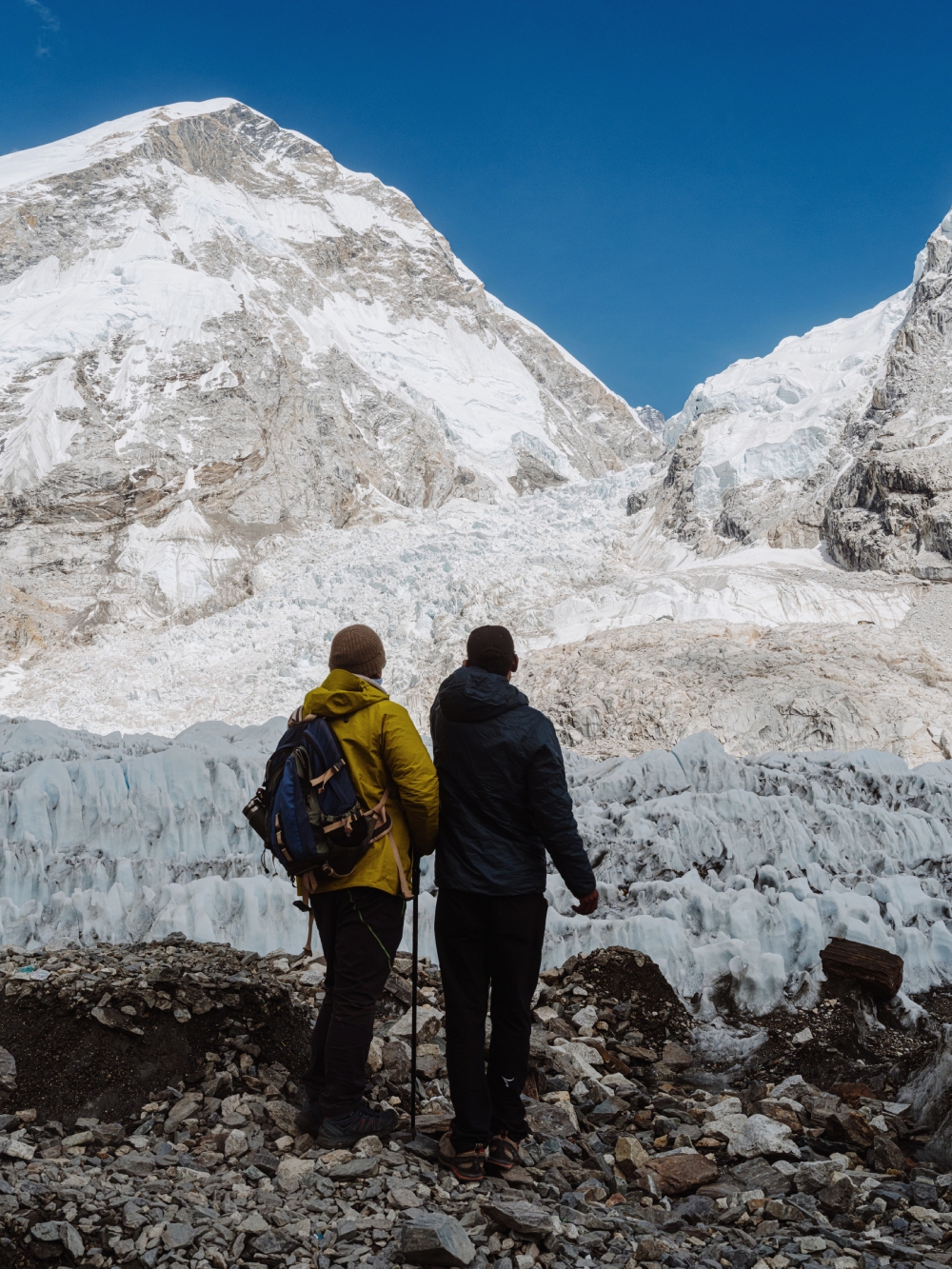
Above 4,000 meters, the definition of luxury changes entirely. Comfort stops being the limiting factor. Survival and confidence become the metric.
At extreme altitude, luxury is:
A guide with decades of experience. Not someone with a year of guiding who is technically certified, but someone who has walked this trail 200+ times and knows what your body will need before you do.
Acclimatisation schedules that actually work. Not aggressive ascent profiles that rush you to the summit for a photo, but methodical pacing that prioritises your safety and success.
Logistics are handled so completely that you never notice them. Permits obtained. Weather contingencies planned. Emergency evacuation options confirmed. Backup routes identified. All invisible to you.
A team that stays together. Your guide doesn't switch halfway through. Your porter isn't rotated out. You're not a number in a larger operation; you're a client being shepherded by a consistent team that knows your preferences.
At altitude, luxury is not a heated room. It's confidence that every detail has been handled by someone who has done this hundreds of times.
This is where premium pricing actually makes sense. A senior guide with 20 years of experience costs more than a junior guide because he brings knowledge that potentially saves your life. Helicopter evacuation insurance costs money because it exists. Small group sizes mean lower porter-to-trekker ratios, which means better safety.
The HST Philosophy: Luxury is Intentionality
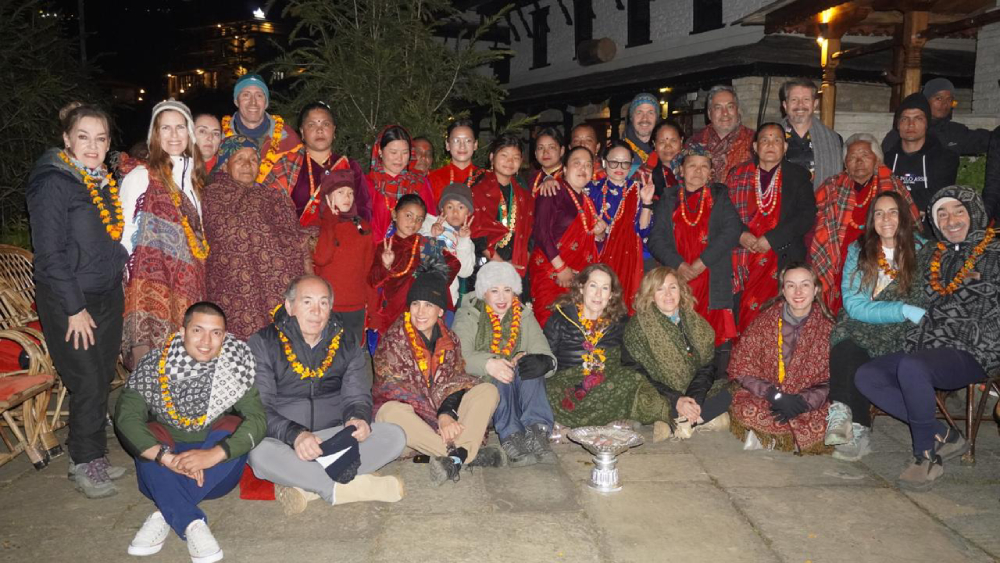
If luxury trekking means anything at HST, it means this: someone has deliberately designed every aspect of your trek with your actual experience in mind.
Not your comfort. Your experience.
This distinction matters because they're not the same thing. Your comfort might require isolation from the destination. Your experience requires the opposite — deep engagement with it. Premium trekking, done right, creates conditions where those two things align.
Intentionality in Lodge Selection
When Naresh personally vets every lodge before recommending it, he's not asking: "Is this the fanciest option?" He's asking: "Will staying here make my clients feel more connected to or more isolated from this place?" A heritage family lodge in a village might have rougher edges than a commercial property. That roughness is often the point.
Intentionality in Guide Selection
We don't assign guides randomly. Your guide is briefed on you 3-4 days before the trek starts. Not your fitness level alone, but your preferences. How much do you like silence vs. conversation? Whether you're interested in botanical details or spiritual history. Whether altitude makes you anxious or exhilarates you. Your guide arrives knowing how to support your specific trek, not running a script for a generic trekker.
Intentionality in Itinerary Design
A 9-day trek could be exhausting, with daily slogs to the next checkpoint. Or it could be paced so you walk 3-4 hours, arrive early, and have the afternoon free to explore at your own pace. The difference is intentional design. The distance is the same. The experience is completely different.
Who Should Pursue Luxury Trekking (and Who Shouldn't)
Luxury trekking makes sense for:
People over 50 who've trekked before. You know what you want. You know your body. You're willing to pay for comfort and quality because you value your own time and experience.
Families who want cultural immersion without roughing it. Children can handle modest lodging, but they suffer in bad conditions. Premium trekking allows families to trek challenging routes without sacrificing safety or basic comfort.
Experienced trekkers seeking depth over achievement. You've summited before. You want meaning now. Luxury trekking provides time and space for that.
High-earning professionals with limited time. You can't afford to spend 3 weeks. Premium itineraries compress experience into 9-12 days by eliminating wasted time and focusing only on highlights.
Luxury trekking probably doesn't make sense for:
People who equate luxury with hotel standards. If you need AC, WiFi (although it is purely available) and room service, the mountains will disappoint you at any price point.
Budget-conscious trekkers are making hard trade-offs. If choosing premium trekking means cancelling Chitwan, skipping the valley, or shortening your time in Nepal, don't do it. Do the trek you can afford fully, at the budget level. The mountains don't care what you paid.
First-time trekkers with undefined expectations. Take a standard trek first. Figure out what you actually like before paying premium prices.
People seeking to "prove something" to themselves. Luxury is for refinement, not achievement. If you need to summit to validate yourself, that's a different journey.
The Cost-Benefit Reality
Let's talk money plainly. A standard trek in Nepal costs roughly $50-80/day for everything. A luxury trek costs $250-400/day.
That 3-5x difference needs to deliver proportional value, or it's indefensible. And here's the honest truth: much of the time, it doesn't. Some people pay premium prices for marginal upgrades in comfort. That's wasteful.
But when you're paying for intentional design — a guide who knows you, lodges selected for experience not fame, acclimatisation pacing that prioritises your success, a team that stays consistent — the premium makes sense. You're paying for expertise and attention, not just amenities.
How to Know if a Luxury Trek is Actually Luxury
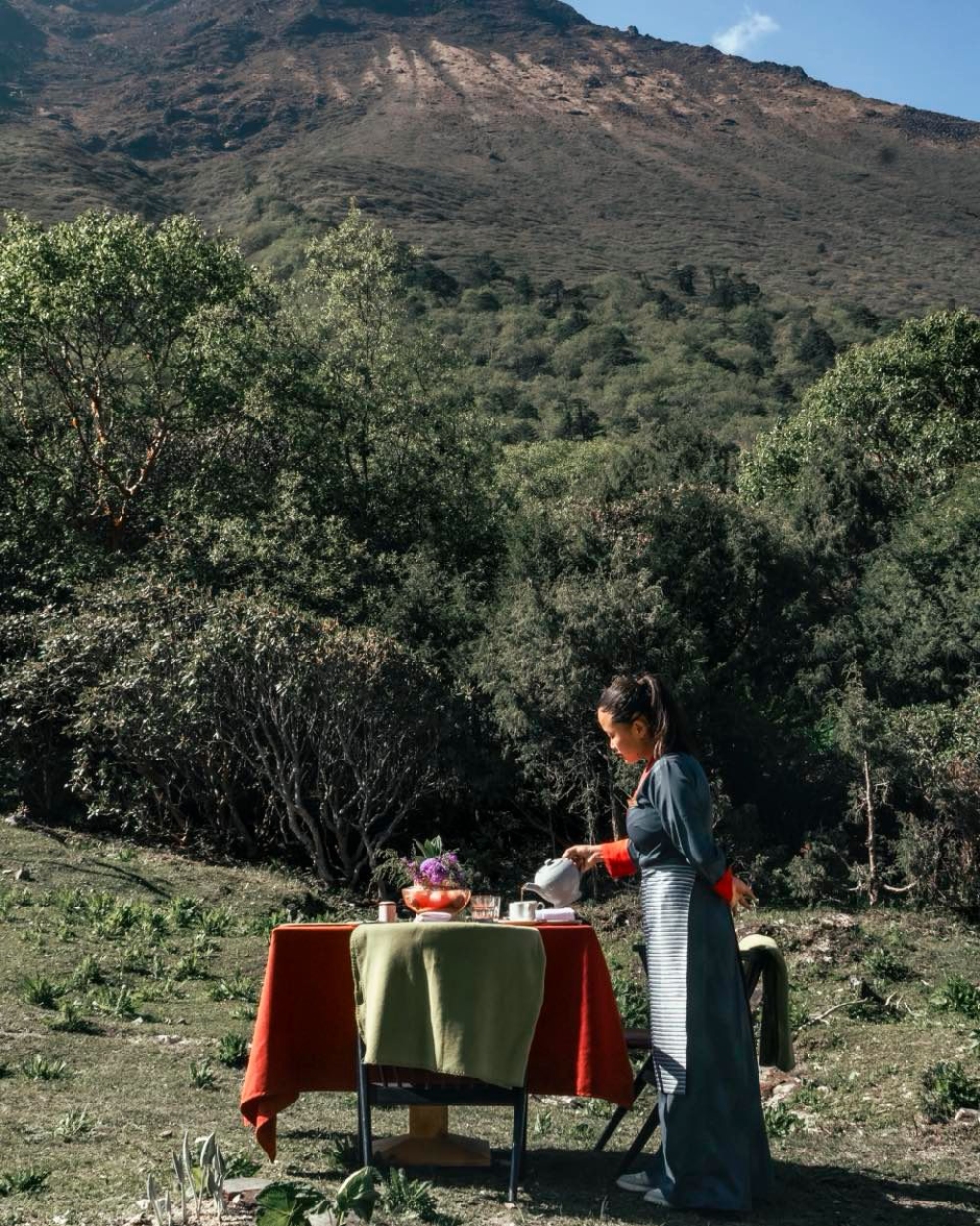
Before booking, ask these questions:
Can the operator describe specifically how guides are selected and briefed for each client?
Has the operator personally stayed in every lodge on the itinerary?
Do they explain the acclimatisation strategy, or just list day-by-day walking times?
Can they discuss guide experience candidly — not just certifications, but actual years on the specific route?
Do they explain what trade-offs luxury trekking involves, or only what it adds?
Are they willing to customise, or do they have a set product they sell everyone?
Operators who can answer these questions thoughtfully are probably building actual luxury. Operators who respond with marketing language and vague assurances are probably just charging premium prices for standard service.
Luxury Trekking is About Alignment
At its best, luxury trekking creates alignment. Your guide's expertise enables your physical success. Your lodge placement enables your cultural engagement. Your itinerary pacing enables you to actually notice the landscape, rather than rushing through it. Small details compound into a profoundly better experience.
That's not about thread count or heating systems. It's about someone having designed every element to work together toward a single goal: your deeper experience of Nepal's mountains.
If you're considering luxury trekking, start there. Not "Which lodge is fanciest?" but "Which operator has thought most carefully about what I actually need to have a meaningful experience?"
Ready to Experience Authentic Luxury Trekking?
Our approach to premium trekking prioritises intentional design, expert guides, and genuine cultural immersion—not just amenities. Let's talk about what luxury trekking actually means for your journey.