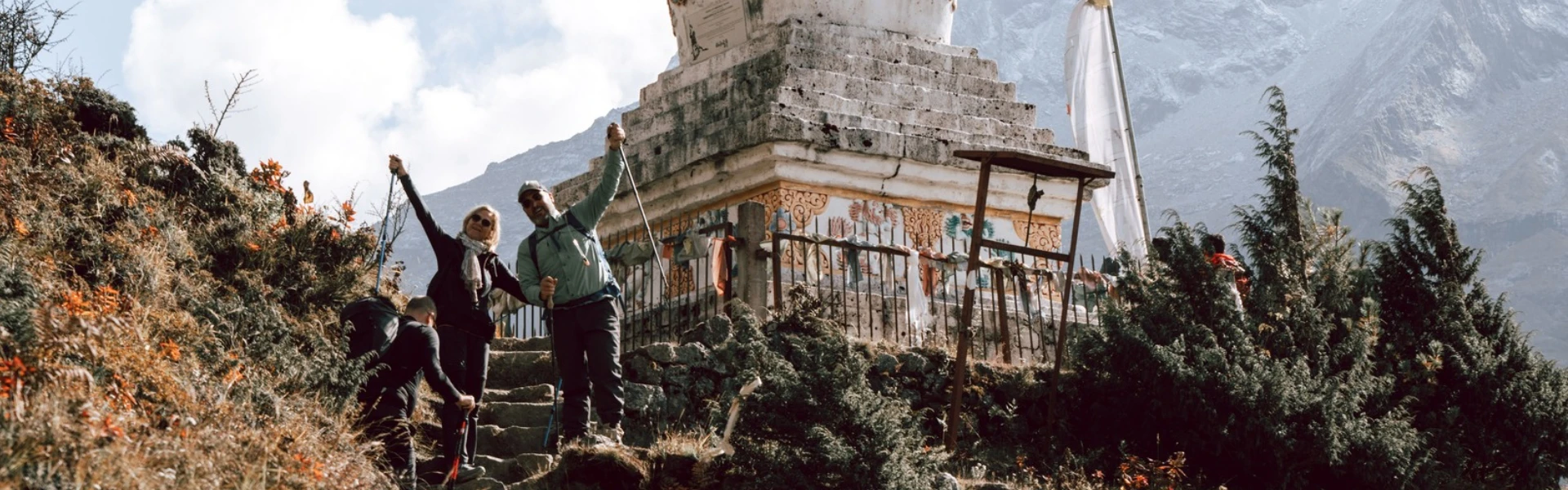
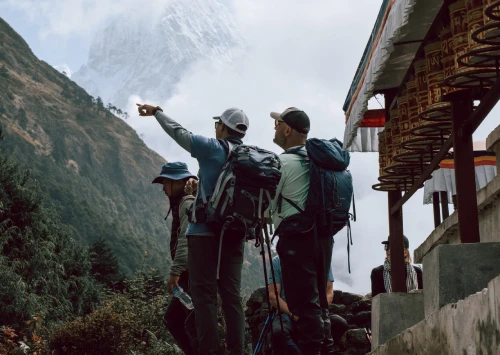
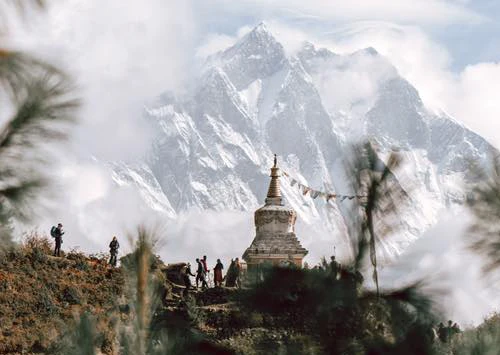
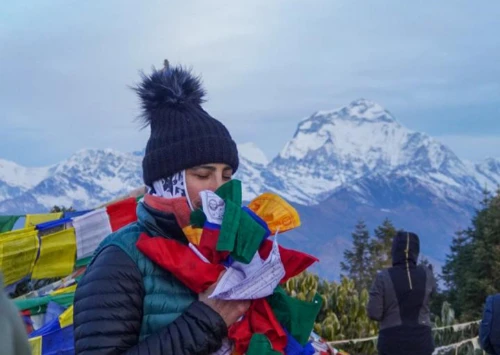
You're at 3,440 meters, and the Dudh Koshi River sounds exactly as it did yesterday. Your guide, Gokul, mentions that the family we met this morning grows the potatoes we're eating right now—they're in the dal-bhat. He doesn't perform this information. He just says it. And suddenly the meal means something different. That's when most people realise: they didn't come to Nepal for the lodge or the sunrise. They came for these moments—the ones that only happen when you're placed inside the destination, not protected from it.
Most people who trek to places like Everest Base Camp have already travelled. You've stayed in 5-star hotels on five continents. You've done Instagram-famous hikes. And now you're thinking: what would justify coming back to Nepal, and paying more to do it?
Here's what we've learned from running treks for over twenty years: the answer isn't better bathrooms or heated beds. It's a better moment.
And better moments don't happen by accident. They happen because someone—a guide, a lodge owner, your trek operator—has thought carefully about what enables you to be present. Comfort is just the scaffolding. The real luxury is access.
There's a myth in trekking that luxury means isolation—that if you're sleeping well, eating well, and being cared for, you're somehow less connected to the place. We think that's backwards. We think comfort that enables deeper experience is different from comfort that replaces it.
When you're not worried about where you'll sleep or when you'll eat, you notice more. When your guide has been briefed on your pace and your interests, he can slow down at exactly the right moment. When the lodge owner has chosen a location for its vantage point—not its fame—you're in the right place to actually see.
That's the luxury we sell.
This is not about pampering. It's about precision. It's the difference between being comfortable while trekking and being enabled to trek deeply. One is a service. The other is a philosophy.
We'll show you what it looks like.
Ready to See If This Is For You?
This philosophy isn't for everyone. It requires time. It requires flexibility. It requires trusting guides and paces you haven't controlled.
If you're a "peak bagger"—someone who measures treks by summits and photos—there are other operators for you. We're glad they exist.
But if you're looking for depth. If you've travelled enough to know that meaning matters more than achievement. If you want a guide who sees you, not just leads you—let's talk.
→ Explore What is a Luxury Trek? And How HST Defines Authentic Premium Trekking