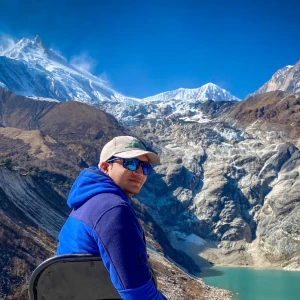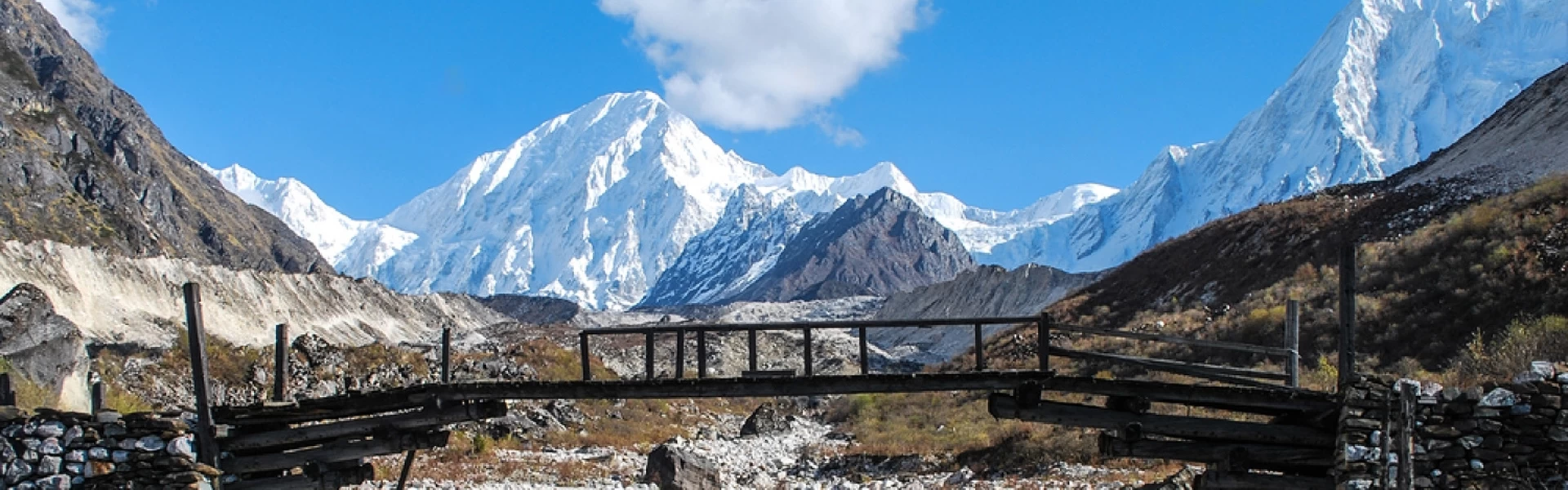
There are just so many people who have to explore the off-beaten path to Manaslu Circuit Trek. And it is majestic.
Best Time to Trek Manaslu Circuit: A 3-Year Operator's Truth
Table of Contents
Everyone says October.
I get it. The skies are clearest in October. The trails are dry. Visibility of Manaslu is postcard-perfect. But in three years of running this trek—logging hundreds of trekker-days across every season—I've learned that "best season" is a lie. It depends on what you actually want, and whether you're prepared to navigate the trade-offs that nobody talks about.
Here's the truth: October isn't best. It's just most crowded. And that crowds thing? It changes everything about your experience—the lodge you stay in, the meals you eat, the guides you get, whether you feel alone on a mountain or herded through it.
This guide isn't about selling you the "perfect season." It's about helping you pick the season that matches your trek, not the Instagram version everyone else is chasing.
How Manaslu Actually Changes by Season
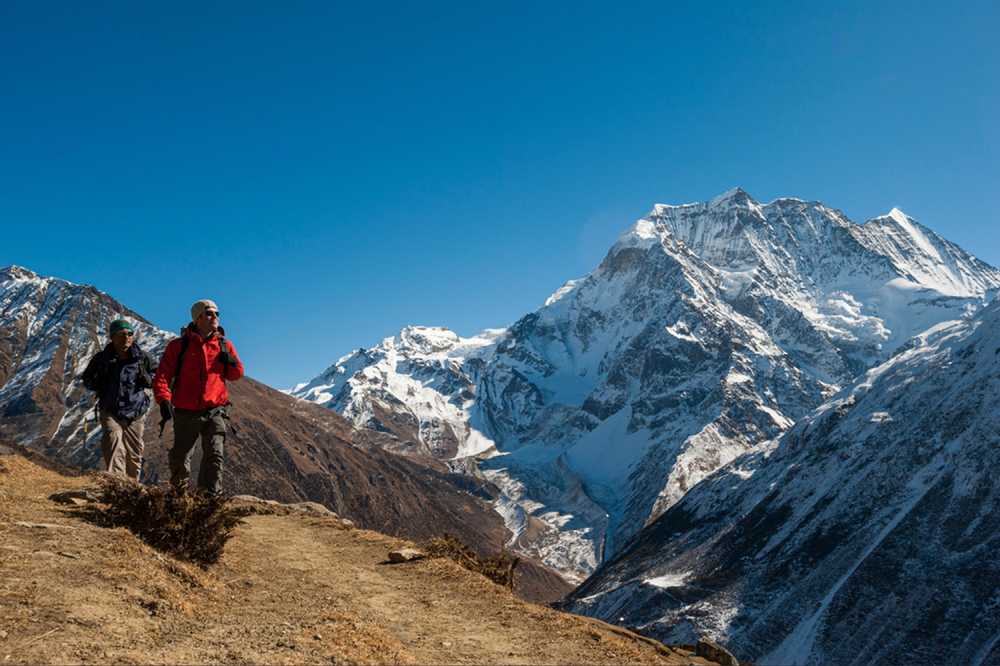
Before the month-by-month breakdown, let me explain why season matters more for Manaslu than it does for Everest.
Manaslu is remote. It's not a infrastructure-heavy trek like Everest Base Camp, where lodges are permanently staffed and trails are well-marked even in monsoon. Manaslu lives and dies by guide availability, teahouse capacity, and trail conditions. In spring, certain villages wake up. In autumn, guides scatter across competing treks. In winter, whole sections of the valley go quiet.
When you pick your season, you're not just picking weather. You're picking:
Which guides are available (and whether they're your operator's A-team or B-team)
Which teahouses are fully staffed (or running on skeleton crews)
Whether you're one of three groups or one of thirty
How the trail actually feels underfoot (not just in photos)
Real safety margins (not theoretical ones)
I didn't know this in my first year. I learned it the hard way, by running groups in every season and watching how each one played out. This is what I want to pass on.
One more thing: Permits are tiered by season. Autumn (Sep–Nov) costs $100 for the first 7 days, then $15/extra day. Winter/Spring/Summer (Dec–Aug) costs $75 for the first 7 days, then $10/extra day.
This is intentional—it incentivises off-season trekking. For a 10-day trek, you'll pay $130 in autumn but only $105 in spring. That's a real difference when combined with lower guide rates and lodge costs in the off-season.
Spring (March to May): The Underrated Season
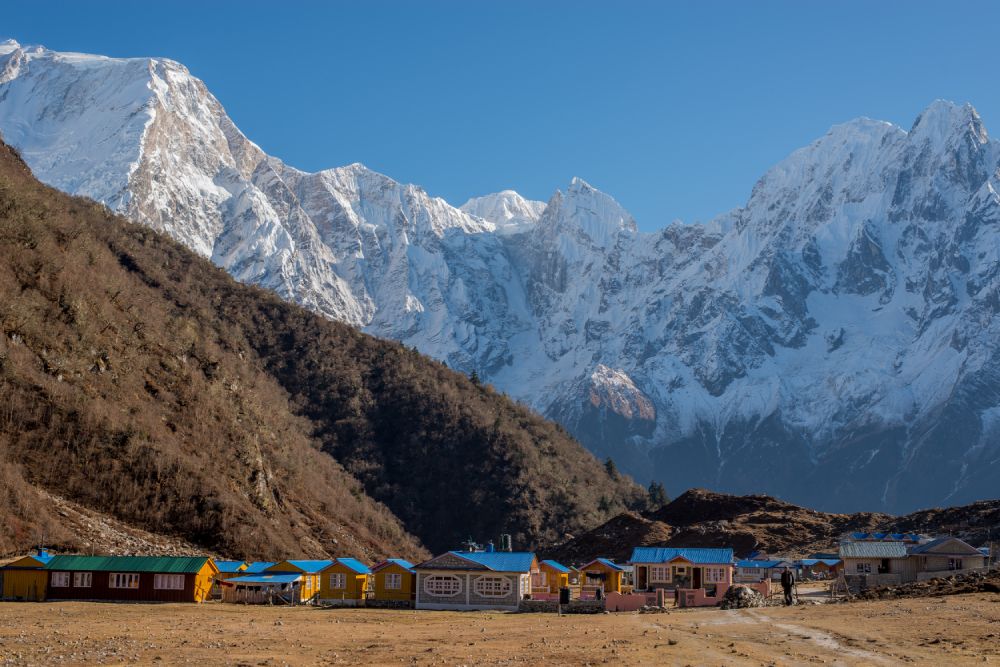
What Spring Actually Gives You
Spring is when Manaslu wakes up. Snow melts off lower passes. Villages reopen after winter. Teahouses that closed in January start hiring staff again. By mid-March, the valley feels alive in a way it doesn't in winter.
The rhododendrons are real. From late March through April, the forests around Deng and Lho burst into color—deep reds and pinks against the grey rock. It's genuine beauty, and it matters if you're the type of trekker who remembers a place by how it felt, not just by the summits you saw.
Temperatures are forgiving: days sit around 12–16°C at lower elevations, nights drop to -4°C at higher camps. That's cold enough to keep you sharp but not so cold that you're fighting your body all day. Altitude stress is real, but the weather isn't adding insult to injury.
The Spring Reality: Why It's Better Than You Think (And Why Nobody Books It)
I run 2–3 spring groups most years. Clients are usually surprised by how good it is. Clear skies, manageable crowds, guides who aren't split across three mountains. But spring doesn't have the brand recognition of autumn, so people don't book it.
Here's what I've noticed:
March crowds are virtually nonexistent. You'll share teahouses with maybe one other group. This means your guide isn't competing for teahouse owner attention, meals come out hot and thoughtful, and you're not performing your trek for an audience of other trekkers.
Guides are sharp. In autumn, my best guides are booked solid for months. They're doing back-to-back groups. They're tired. In spring, the same guides have had a quiet few weeks. They're fresh, attentive, and present in a way that changes everything.
April brings flowers, but not crowds—yet. The sweet spot is April 5–25. The rhododendrons are peak, but word hasn't fully spread. By late April, teahouses start filling with groups, and guides start getting booked for overlapping trips.
Teahouses are fully staffed but not overwhelmed. By April, most lodges have hired for the season. You're not eating canned vegetables heated in a pan; you're getting real meals. But it's not the feeding-line efficiency of October either.
The real trade-off? Nights are colder than you'd expect above 3,500m. Winds can come through suddenly. And if you're sensitive to cold, layers matter more here than in autumn. You'll also need to start with good acclimatization—the altitude doesn't care that it's spring.
Why it works for: First-time Himalayan trekkers who want comfort without circus crowds. Photographers who want clear light and fewer people in the frame. Anyone who values guide attentiveness over weather perfection.
Why to skip it: If you hate cold nights. If you need guaranteed perfect visibility (spring clouds can roll in). If you're planning a massive group—spring lodges aren't built for that capacity.
Summer and Monsoon (June to August): Why We Run 2–3 Groups
The Honest Case for Monsoon
This is where I lose a lot of operators.
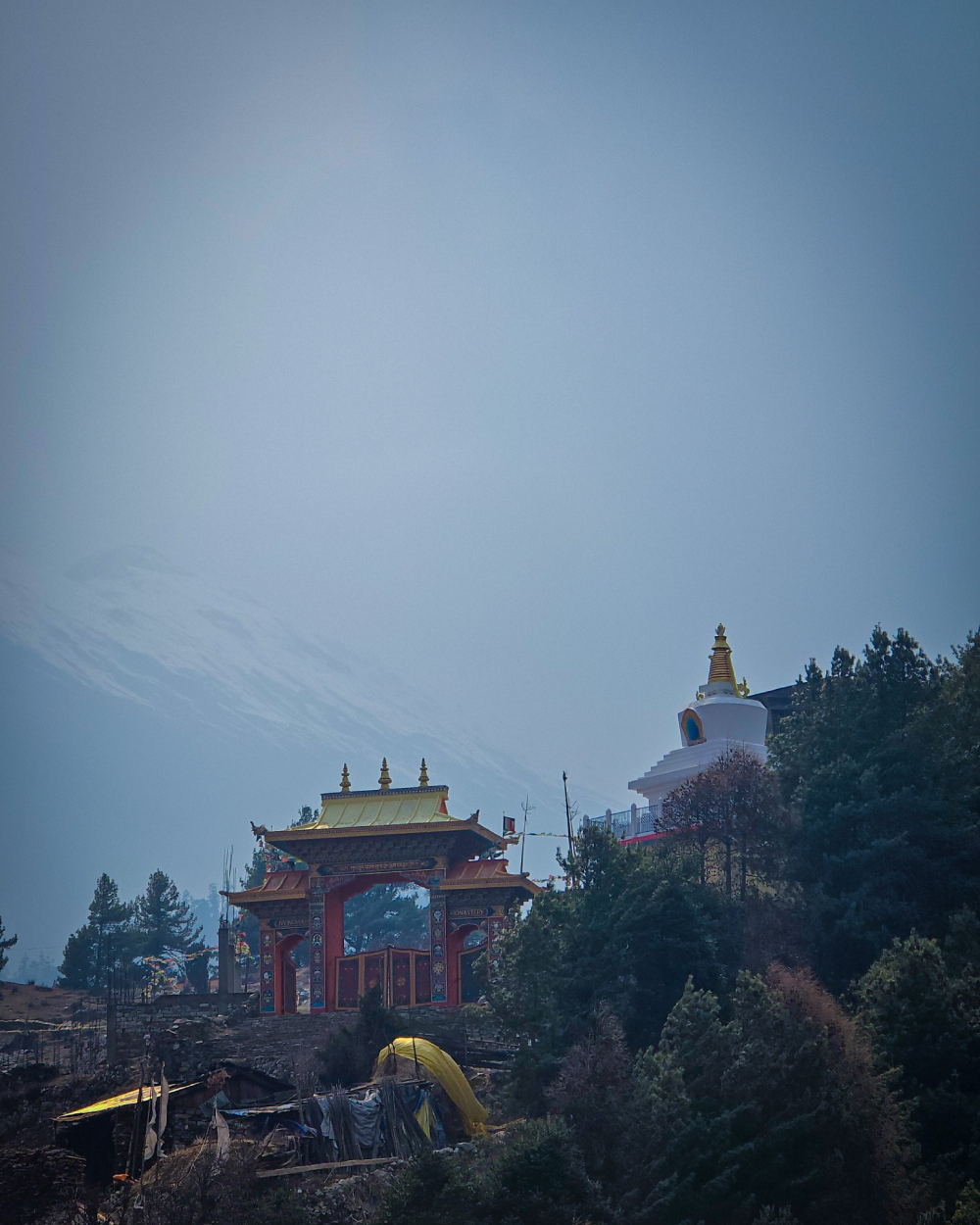
Monsoon is hard. I don't recommend it to first-timers. I don't sell it to people looking for summit views or Instagram moments. But I don't dismiss it either, because I've run it enough to know what it actually demands—and what it actually gives you.
July rainfall hits 700mm below 2,000 meters. Trails turn to soup. Leeches own the forested sections between Philim and Deng. Skies are grey more days than they're blue. Emergency response is slower because villages have skeleton crews and communication lines are unreliable.
But.
The mountains are empty. Genuinely empty. Samdo in July has maybe three trekkers in the whole village. The cultural experience—the actual presence of local life, unmediated by tourism—is unmatched. You're not visiting the Manaslu region. You're temporarily living in it.
Our guides get better at their craft in monsoon. They're reading terrain, anticipating hazards, managing pace differently. I've watched guides do things in monsoon that amaze me—knowing exactly when a stream will swell, knowing which teahouse keeper has dry firewood, knowing how to adjust group mood when visibility is zero and spirits dip.
Financially? Monsoon bookings are cheap. We price them 15–20% lower than autumn, partly because insurance is higher, partly because our best guides won't take them (they rest, recover, spend time with families). So if you're value-conscious and genuinely prepared, monsoon is available.
Who Monsoon Is Actually For
Monsoon works if:
You've trekked high-altitude terrain in challenging conditions before
You don't need views to feel accomplished
You're genuinely interested in the culture, not the postcard
You have patience for slow progress and mud
You understand that rescue logistics are slower
Monsoon does not work if:
- It's your first trek over 4,000m
- You're hoping for mountain views (you won't get them)
- You need a predictable teahouse experience (staffing is inconsistent)
- You have a tight schedule (trails are slow, delays happen)
- You're afraid of leeches (they're real, especially in lower sections)
My approach: I only take monsoon bookings from clients I've already worked with, or from people I've had a long conversation with. I need to know they're genuinely prepared, not just price-motivated. It's not about gatekeeping—it's about matching people to seasons responsibly.
The June-August Breakdown
June: Transitional month. Early June is still dry. By mid-June, rain becomes daily. Teahouses start filling because guides and trekkers are trying to squeeze in before peak monsoon. This is actually an okay window if you're flexible on trail conditions.
July: Peak monsoon. Expect 15–18 rainy days out of 30. Temperatures are moderate (12–18°C during the day), and nights are cool but not brutal. This is when the valley is quietest and most authentically itself.
August: Late monsoon. Rain decreases toward the month's end. By late August, you start seeing clearer mornings, especially above 4,000m. This is a better monsoon month than July if you want some visibility, but trails are still muddy.
Autumn (September to November): The Peak Season—And Why It Matters
Why Autumn Is Peak (It's Not Just Weather)
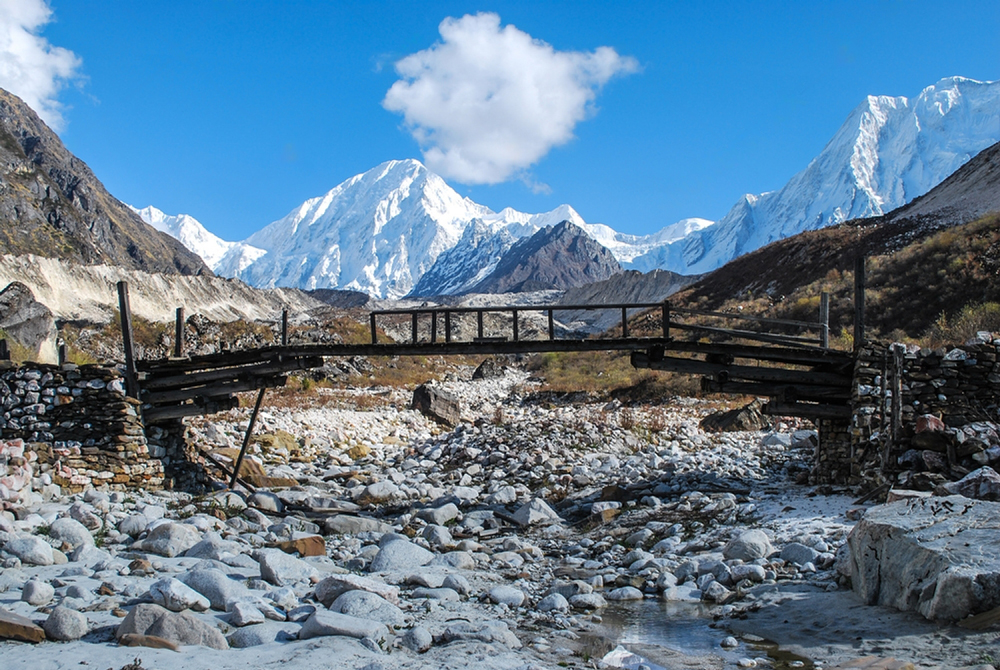
Autumn is peak because the weather is genuinely the most reliable of the year. It's also peak because every other trekking company sells autumn, so teahouses are designed to handle volume, guides are fully available (until they're not), and logistics are smooth.
September is the gateway month. Trails are drying up from the monsoon, but they're still soft and muddy—recovery time from the rains. By late September, things are properly dry. Days are warm (14–20°C at lower elevations), nights are cool but manageable (-2 to -6°C above 3,500m). Visibility improves as the month goes on.
October is the actual peak. Clear skies, strong sunshine, cool nights, dry trails. It's the month when every trekking company sends groups, when guides are fully booked, when teahouse owners are making their year's income in a month. This is Instagram Manaslu. This is the postcard.
November is the tail end of peak, but it's worth understanding differently. Early November (through the 15th) still has good conditions—dry, clear, cool. But by mid-November, nights become genuinely cold (-8 to -12 °C above 4,000m), and snow starts appearing on higher passes. Late November is a different trek entirely.
The Autumn Reality: What You're Actually Buying
Here's what I see happen in autumn, especially October:
Guides are split thin. My best guides—Suman, Chhannu Dai—are booked back-to-back. Suman might finish a trek on October 5th and start another on October 6th. He's tired but professional. Some companies' guides are on their third consecutive trip. That changes service quality in ways clients don't see until they're on the trail.
Teahouses are packed. This isn't bad—the food is good, the staff is attentive, the atmosphere is lively. But if you're imagining a quiet lodge where you're the only group, you're imagining spring or monsoon. In October, Samdo teahouse might have 20 trekkers spread across four different groups. You're eating at the seating. You're sharing walls. Some people love this energy. Some hate it.
The lodge experience varies wildly. When teahouses are full, quality drops. I've seen meals arrive late, rooms be cold because heating capacity is maxed, and hot water run out. This happens because teahouse owners are optimising for volume, not experience. Our team works around this—we carry contingency supplies, we brief guides on which teahouses will struggle when full—but it's a reality of peak season.
Costs are highest. October trekking is expensive. Not just our pricing (we charge peak rates), but everything: flights into Machha Khola are booked solid, guides expect peak-season rates, teahouses have surge pricing. If you're budget-conscious, October hits different.
Visibility is genuinely excellent. This is the real trade-off. You get clear skies, sharp mountain views, and consistent weather. That matters if you're paying for Manaslu, you want to see Manaslu. In autumn, you will.
Why Early September or Early November Matters
I want to flag these specifically because they're undervalued:
Early September (1–20): Trails are drying. Guides are available but not yet fully booked. Visibility improves as the month goes on. Teahouses are staffed but not overwhelmed. It's 85% of October's conditions with 40% of October's crowds. If you can flex on exact dates, early September is my operator's move.
Early November (1–15): Same story in reverse. Cold nights, but manageable. Snow hasn't yet arrived. Guides are winding down but not yet unavailable. You get autumn's clarity without autumn's volume. By mid-November, you're really in winter-lite territory.
Winter (December to February): Solitude, Silence, and Real Challenge
What Winter Actually Is
Winter is not a trek I recommend lightly. But I run 2–3 winter groups most years, and the people who do it? They get something profound.
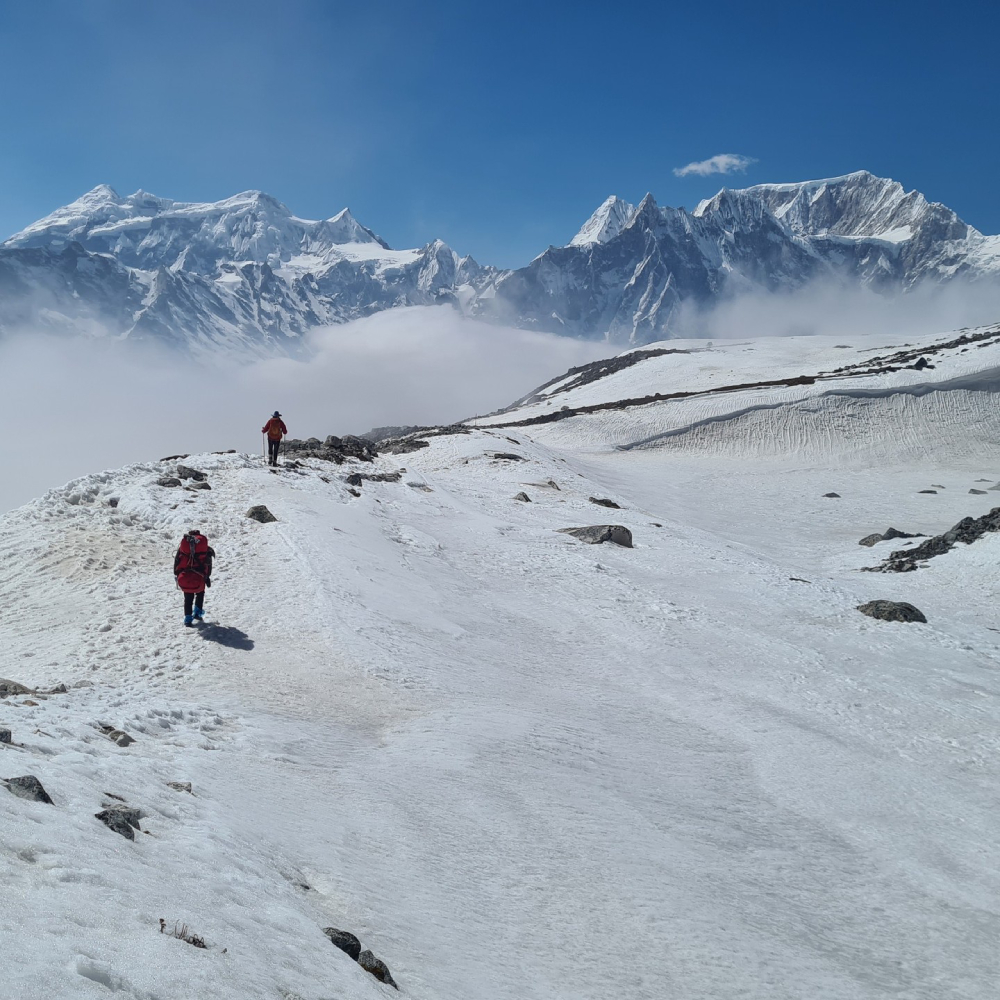
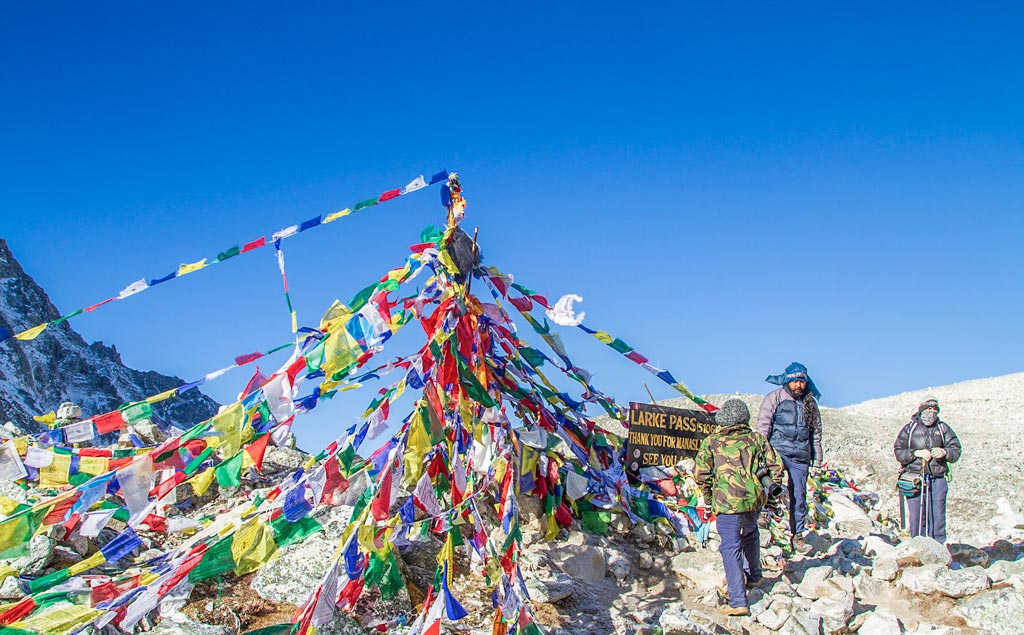
Temperatures are harsh. January nights at Samdo drop to -20°C, sometimes lower. Larke La, the high pass at 5,106m, becomes genuinely alpine—crampons, ice tools, and serious cold. Winds can gust hard, especially on exposed sections. This isn't hypothetical danger; this is real, requires real preparation, and demands guides who know winter specifically.
But winter Manaslu is silent in a way other seasons aren't. There are maybe three trekkers in Samdo. The monastery is quiet. Villages are locked in their own winter rhythm, uninterrupted by tourism. The landscape is stark and beautiful—all snow, rock, and sky.
Operational Realities of Winter
Teahouse availability is patchy. Bhimthang stays open year-round. Samdo is iffy—some winters it closes, some years it stays open with a skeleton crew. Larke Phedi becomes a refuge point, not a comfortable lodge. You need to know exactly which lodges are open before you book, because guidebooks are wrong about this.
Guide selection is critical. Not every guide can run in winter. It requires specific experience, comfort with risk, and physical resilience. I use maybe two guides for winter bookings—Narayan, who specialises in Mustang (and does winter Manaslu seasonally), and one other guide I've trained extensively. Most companies don't have winter-qualified guides, which means they're asking guides to work outside their comfort zone. I won't do that.
Costs are actually lower, but requirements are higher. Winter bookings are cheaper (30% discount vs. October), but you need better gear. Sub-zero sleeping bags, crampons, ice axes, and high-quality thermals. Most trekkers don't own this gear, so there's a rental cost or purchase cost on top. The math doesn't always work out as "budget" when you factor in what you actually need.
Rescue is slower. In winter, if something goes wrong above 4,000m, help is significantly delayed. Helicopter rescue is nearly impossible in winter conditions. This means guides need to be exceptionally sharp, and trekkers need to be genuinely fit and well-acclimatised.
Why Winter Works (For Real)
Winter is for people who:
Have winter mountaineering or high-altitude trekking experience
Are genuinely interested in silence and solitude, not views
Can handle cold extremes physically and mentally
Trust their guide completely
Understand that plans might change dramatically based on the weather
Winter is not for:
First-timers to high-altitude trekking
People who need guaranteed lodge comfort
Anyone with cold-weather anxiety
Solo travellers (it's too risky without extensive experience)
February note: Late February is slightly better than January because some teahouses reopen and conditions sometimes stabilise. But it's still winter. Temperatures are still -15 to -20°C at altitude. Don't confuse "less harsh" with "easy."
The Seasonal Difficulty Paradox: Why "Easy" Doesn't Mean "Good"
This section is important, so read carefully.
Most guides talk about seasonal difficulty in terms of weather. They'll say, "Autumn is easier because the weather is stable." That's true. But it's not the whole truth.
Here's what actually shapes how hard Manaslu feels:
Physical Difficulty
Winter > Autumn/Spring > Monsoon (in terms of cold stress + altitude)
But temperature doesn't equal difficulty—it equals a different challenge
Mental Difficulty
Monsoon and Winter > Autumn > Spring
Monsoon because of unrelenting grey and mud; Winter because of isolation and cold; Autumn is straightforward; Spring is emotionally positive (flowers, renewal)
Logistical Difficulty
Winter > Monsoon > Spring > Autumn
Winter has patchy infrastructure, Monsoon has slow trails and unpredictable rivers, Spring and Autumn are logistically smooth
The Actual Trade-Off
Autumn is "easy" in that the weather is predictable and support is available. But crowds add mental load—you're managing other trekkers, noise, comparisons. This affects first-timers negatively. They feel more pressure to "perform" the trek.
Spring is easy on the body but requires attention to cold nights. Mentally, it's positive. Logistically, it's smooth. First-timers often feel more successful in spring because there's less pressure and more guide attention.
Winter is hard on the body but easy on the mind if you're the type of person who finds silence restorative. The challenge is physical, not psychological. If you're strong and prepared, winter can feel less stressful than autumn's crowds.
Monsoon is hard everywhere. Body, mind, logistics. Only attempt it if you've done high-altitude trekking before.
How to Choose Your Season: A Framework
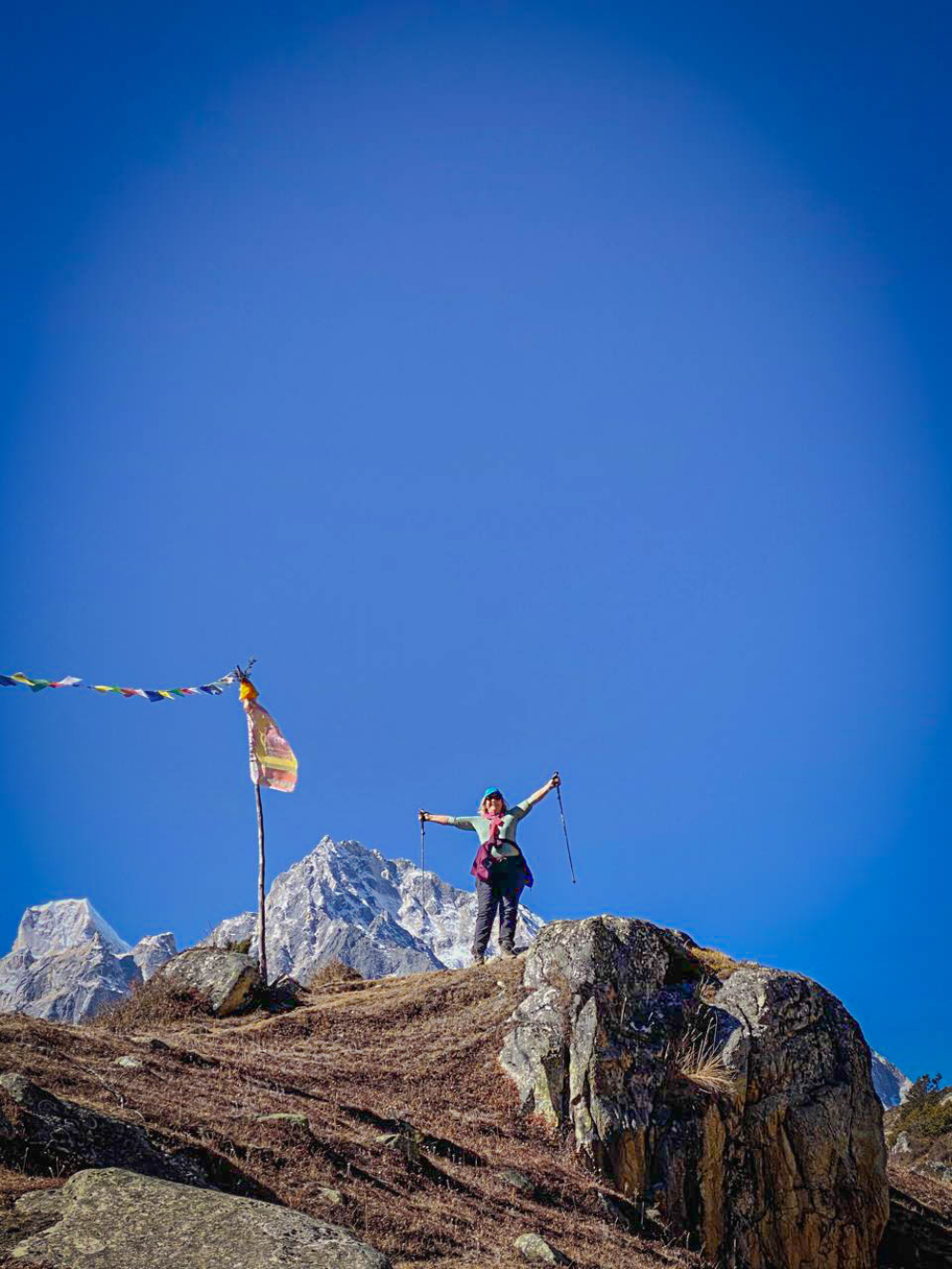
Stop thinking about "best season." Start thinking about your season.
Is this your first high-altitude trek? And are you trekking solo or with others?
First-timer, with others → Spring or early autumn only. You need predictable weather, attentive guides, and group energy to process altitude challenges.
First-timer, solo (with guide) → Spring only. Solo trekking requires a stronger foundation + fresher guides. Weather predictability is non-negotiable. Budget 15–25% higher per-person guide fees.
Experienced, group → Any season. Early September is the time to have the real experience without chaos. Lower permit costs ($105 vs. $130 in autumn).
Experienced, solo (with guide) → Spring or early September preferred. Winter/monsoon possible if experienced. Lower permit costs in off-season ($95–105 vs $130 autumn).
If You've Done Everest or Annapurna and Want Something Rawer
September, or January-February if you want solitude. By September, you know how your body handles altitude. You can navigate crowds. You understand logistics. This is where you can ask for a quieter season and appreciate what it gives you that October won't.
Go with: September 1–20 (same conditions as October, fewer people) OR January-February (raw beauty, real silence)
If You're a Photographer
April (rhododendrons) or early October (clear light). But understand the trade-off. April has fewer other trekkers in frame, which matters for authenticity. October has better light and clearer skies, but you're sharing every viewpoint with 10 other groups.
Go with: April 10–25 (flowers + clear light + light crowds) OR early October (clearest skies, accepting crowds)
If You Want Maximum Solitude
July (monsoon) or January (winter). Genuinely empty. Genuinely quiet. But genuinely challenging. Only if you've trekked remote mountains before.
Go with:Early July (slightly drier than mid-July) OR late January-early February (snowfall is less likely than December-January)
If You're Budget-Conscious
June or monsoon (July-Aug), or January-February. Pricing is 30–40% lower. But understand what you're trading: guide attention, teahouse comfort, visibility, safety margins. Don't budget-optimise your way into a bad experience.
Go with:Early June (transitional, still okay) OR monsoon only if you've prepared properly
If You Want Everything: Weather, Culture, Guides, Solitude
Doesn't exist. October has weather and culture, but crowds. Spring has guides and culture, but cold nights. Winter has solitude but not weather. Monsoon has culture but not views. Pick your trade-off, own it, and let that shape your experience.
My call: Early September. You get 90% of October's conditions, real guide attention, manageable crowds, and a fresher valley. It's the grown-up season.
The Guide Availability Question: Why This Matters More Than You Think
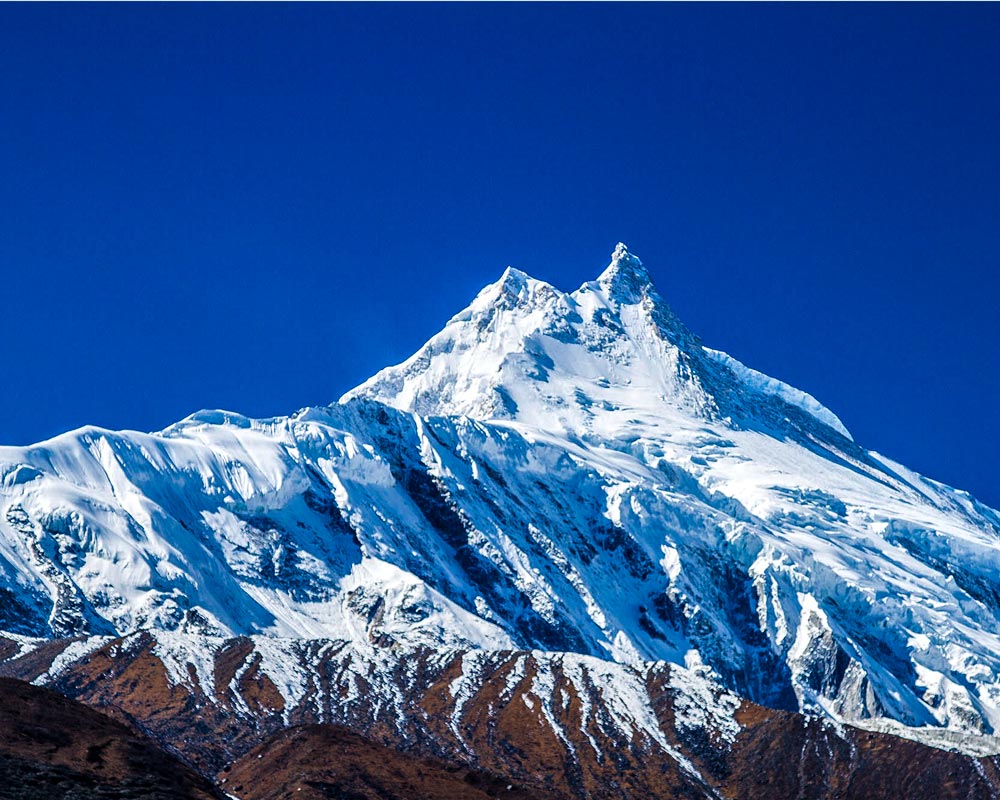
I'm going to be transparent about something most operators won't tell you.
Guide quality varies dramatically by season. Not because guides are inconsistent—my guides are always professional—but because availability and fatigue change the work.
In spring, my best guides (Suman in particular) are available, rested, and sharp. They're not burned out. They remember clients' names from previous treks. They pay attention to small details. This matters more than you'd think when you're five days into high altitude and feeling vulnerable.
In autumn, especially October, those same guides are booked back-to-back. Suman might be on his third consecutive trek. He's still excellent—professionalism doesn't disappear—but he's not as present. He's thinking about the next group. He's tired, even if he won't show it.
In the monsoon and winter, many of my regular guides aren't available. They rest, they're with families, or they're not trained for those seasons. So I use different guides—experienced, capable, but not my A-team. This is honest. I won't ask my best guides to work in monsoon conditions. They deserve rest.
Here's what I do: For October bookings, I brief guides extensively in advance so they're mentally prepared for the load. I monitor fatigue and rotate guides across groups. I pay premium rates, so guides are motivated to stay sharp. But I won't pretend October has the same guide attention as spring.
If guide quality and attentiveness matter to you—and I think they should—this is worth considering. Spring and early September give you fresher guides. Autumn gives you logistics, weather, and crowds.
Permit, Gear, and Logistics by Season
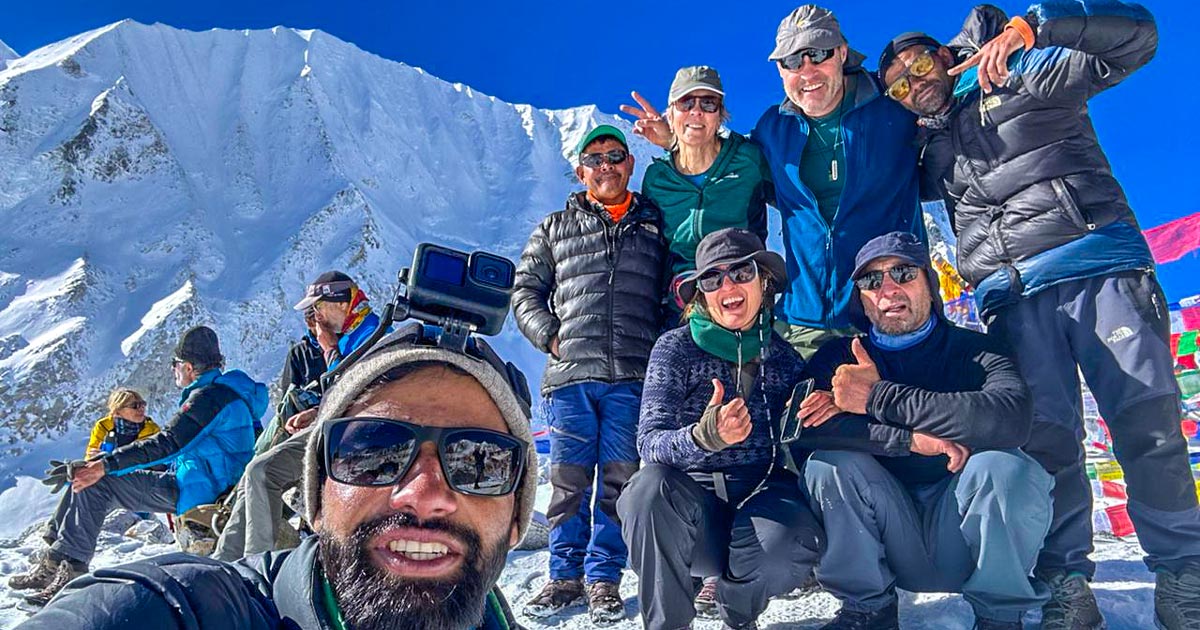
Permits (changed by Season)
You'll need three permits regardless of when you trek:
Manaslu Restricted Area Permit (MRAP): Tiered pricing based on season and trek duration.
Sep–Nov (Autumn): $100 for first 7 days, then $15 per extra day
Dec–Aug (Winter/Spring/Summer): $75 for first 7 days, then $10 per extra day
Examples: 10-day autumn trek = $130 ($100 + $15 × 2). 14-day spring trek = $115 ($75 + $10 × 4).
Manaslu Conservation Area Permit (MCAP): ~$30, one-time fee. Supports the conservation area directly.
Annapurna Conservation Area Permit (ACAP): ~$30 one-time fee. Because the trek crosses into the Annapurna region.
Our approach: We manage all three in-house. We don't outsource permits. That means your paperwork is reviewed in person by someone who knows the current guard changes, the lodge relationships, and permit fee updates. It's a small thing that changes everything about how smoothly your trek actually runs.
Seasonal note on permits: There are no seasonal closures of Manaslu as of now (2026). But August-September historically sees occasional delays because the permit office runs minimal staff during the monsoon. If you're booking August or early September, budget 2–3 extra days for permit processing in Kathmandu.
Gear by Season
| Season | Critical Gear | Additional Notes |
|---|---|---|
| Spring | Layers (fleece, down jacket), warm sleeping bag (0°C rated), waterproof jacket | Nights are surprisingly cold above 3,500m. Many first-timers underpack for this. |
| Monsoon | Waterproof everything, trekking pole, lightweight crampons (muddy, not icy), leech socks | Leeches are real. We provide leech socks, but most companies don't. Bring or rent. |
| Autumn | Layers, down jacket, warm sleeping bag (-5°C+), sun protection | Dehydration risk is high in clear, dry air. Drink more than you think. |
| Winter | Ice tools, crampons, sub-zero sleeping bag (-15°C), hand/feet warmers, thermal underlayers | Winter gear is expensive. We have rental options. Budget accordingly. |
Naresh's hot take: Most trekkers underpack for spring and autumn. Cold nights above 4,000m don't care that it's "peak season." Bring warm layers. Seriously.
Actual Trek Cost by Season (Permit + Guide + Lodge)
Season | MRAP (10-day) | Guide Fee/Day | Lodge/Night | Total Est./Day |
|---|---|---|---|---|
Spring | $105 | $45–55 | $20–25 | $65–80 |
Early Sept | $105 | $45–55 | $20–25 | $65–80 |
Autumn (Oct) | $130 | $60–80 | $25–35 | $85–115 |
Monsoon | $95 | $35–45 | $15–20 | $50–65 |
Winter | $105 | $35–45 | $15–20 | $50–65 |
Note: These are estimates. Actual costs vary by operator, group size, and exact itinerary. Solo trekking premiums apply (typically 15–25% higher per-person guide fees).
FAQ: The Questions Operators Actually Get (And Real Answers)
Q: Is solo trekking allowed on Manaslu?
A: As of March 2026, yes—with a licensed guide. Solo independent trekking (without a guide) is not permitted. However, you can trek as a solo client with one licensed guide.
The permit cost is the same: $105 for a 10-day spring/winter trek, or $130 for a 10-day autumn trek. Permits don't change based on group size—you pay MRAP based on duration and season, regardless of whether you're solo or in a group.
What changes: Your guide fee. Solo bookings are higher per person (typically 15–25% premium vs. group per-person rates) because the guide's time is fully allocated to you, with no scale economy. But the permit itself? Standard pricing.
Why this matters: Before March 2026, groups of a minimum of 2 trekkers were required by permit rules. Now, solo trekkers can go with a single guide, opening Manaslu to independent travellers. This is genuinely new and genuinely valuable—especially in spring or early September when guides are fresher.
Q: Which month is actually best?
A: October for guaranteed weather. Early September for weather without crowds. April for flowers and fresh greens. It depends entirely on what matters to you.
October isn't objectively "best"—it's just most popular because the weather is most predictable. But early September is often better if you value guide attention and solitude over perfect views.
Q: Can I trek if I've never done high altitude before?
A: Yes, but only in spring or early autumn. Don't attempt Manaslu for your first high-altitude trek in the monsoon or winter. Altitude is altitude—at 5,100m, your body doesn't care if it's October or January. But weather predictability and guiding attention will help first-timers more in spring/autumn.
Also, Manaslu's altitude gain is gradual, which is good. But the final push to Larke La is genuinely steep. You need to be physically fit—not elite, but genuinely fit.
Q: Why is October so crowded?
A: Because the weather is reliable, guides are fully available (until booked), and it's the "safe" choice. Every trekking company markets in October. Marketing creates demand. Demand creates crowds.
But here's the thing: Crowds change the experience. You're not alone on the mountain. Teahouses are hectic. Guides are tired. Views are shared with dozens of other people. Some people thrive in this energy. Others hate it.
If you're booking October because you think it's objectively best, reconsider. You might actually prefer early September or April.
Q: What's the weather actually like at different elevations?
A: Manaslu ranges from 1,500m (Soti Khola) to 5,106m (Larke La). Temperature drops ~6.5°C per 1,000m of elevation.
In spring (April):
- Soti Khola (1,500m): 18–22°C daytime, 8°C night
- Deng (2,300m): 14–18°C daytime, 2°C night
- Samdo (3,900m): 8–12°C daytime, -4°C night
- Larke Phedi (4,600m): 2–6°C daytime, -8°C night
- Larke La (5,106m): -2 to 2°C daytime, -15°C night
In autumn (October):
- Similar pattern, but nights are colder at altitude (add 2–4°C colder than spring)
- Samdo in October: -2 to -6°C night
- Larke La: -8 to -12°C night
In monsoon (July):
- Daytime temps stay moderate (12–16°C even at altitude), but constant humidity makes it feel colder
- Nights are warmer than spring/autumn (only -2 to 0°C at high camps)
- Problem: It's wet, not cold. Hypothermia risk is higher because wet + cool = dangerous.
In winter (January):
- Samdo: -8 to -15°C night
- Larke La: -20 to -25°C night (sometimes lower)
- Daytime sun can warm you temporarily, but exposed sections stay brutal
Q: What's the actual teahouse experience like?
A: Teahouse quality varies by season and by lodge. We have a [dedicated blog on teahouses](link to teahouse article) that goes deep on this. But briefly:
Spring: Well-staffed, fresh food, fewer people per lodge. You eat well, sleep well.
Autumn: Popular lodges are packed. Food arrives more slowly. Heating is sometimes insufficient. Less personal attention.
Monsoon: Inconsistent. Some lodges have great monsoon staff, others have skeleton crews. Hot water is sometimes unavailable. Meals are often canned or dried goods.
Winter: Many lodges are closed. Those that stay open are cold and spartan. Expect basic conditions, not comfort.
Naresh's approach: We scout lodges seasonally. We have relationships with teahouse owners. We provide brief guides on which lodges will struggle at capacity and bring contingency supplies (extra fuel, dried vegetables, etc.). This costs us money but keeps your experience consistent.
Q. How much do permits cost, and how does the season affect pricing?
A: MRAP (Manaslu Restricted Area Permit) is tiered by season and duration:
Autumn (Sep–Nov): $100 for first 7 days, then $15/extra day
10-day trek: $130 total
14-day trek: $190 total
Winter/Spring/Summer (Dec–Aug): $75 for first 7 days, then $10/extra day
- 10-day trek: $105 total
- 14-day trek: $135 total
MCAP and ACAP are fixed (~$30 each) year-round.
Why the price difference? Autumn is peak season—demand is high, permit allocation is limited. Lower seasons have lower demand and lower permit costs. This incentivises off-season trekking.
For a full trek budget: Add MRAP + MCAP + ACAP + guide fees ($35–80/day depending on season) + lodge costs ($20–40/night depending on season) = your actual cost per day.
The Real Conversation: Which Season Is Right For You?
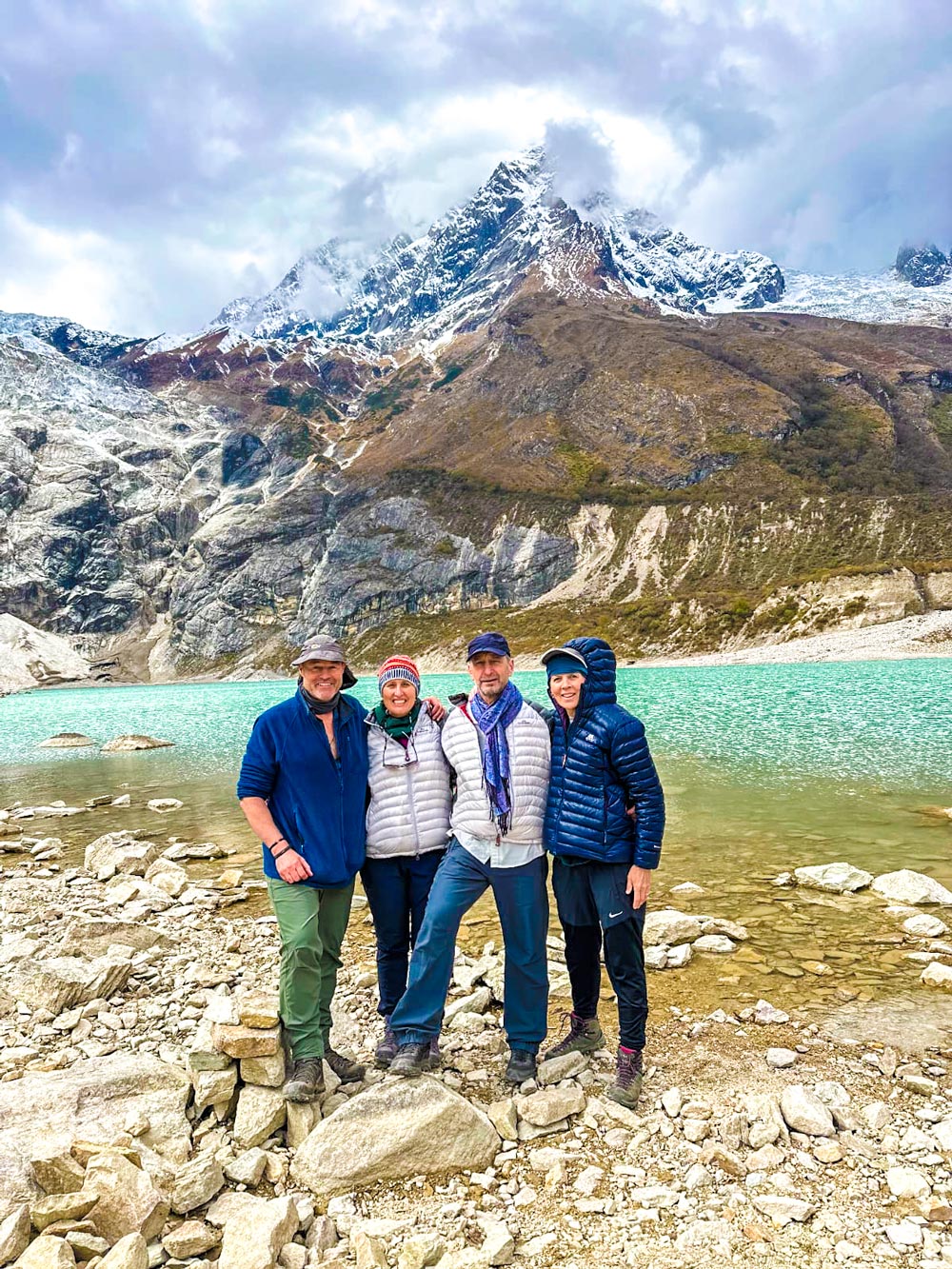
Let me break this down into honest questions:
Question 1: Is this your first high-altitude trek?
- Yes → Spring or early autumn only. You need predictable weather and attentive guides.
- No, I've done Everest → You can do any season. Early September if you want the "real" experience without chaos.
Question 2: What do you value most?
- Clear views and photos → October or early April
- Solitude and authentic culture → July or January
- Ease and comfort → Spring or early autumn
- Challenge and testing myself → Winter
- Everything equally → Early September (best compromise)
Question 3: How much time do you have?
- Tight schedule (fixed dates) → Don't book monsoon. Weather delays are real.
- Flexible (can shift by a week) → Monsoon becomes viable. Early September opens up.
- Very flexible → You can target specific weather patterns.
Question 4: What's your budget situation?
- Premium budget → October. Pay for the experience without compromises.
- Moderate budget → Spring or early September. You save money without sacrificing much.
- Budget-conscious → Monsoon or winter. But only if you're genuinely prepared.
Question 5: Are you trekking alone or with a group?
- Solo (with guide) → Spring, autumn, or early winter. Monsoon is too risky solo.
- Couple or small group → Any season. Smaller groups are more flexible.
- Large group (8+) → Spring or autumn only. Logistics get complicated in other seasons.
What We Actually Do by Season (Transparency)
I'm going to tell you how we run Manaslu operationally, because it shapes what you experience:
Spring: 3–4 groups, smaller sizes (4–6 people), occasional solo clients with guides. Permit cost: $105/10-day trek. Guide rate: $45–55/day. This is where we prioritise quality and can accommodate solo seekers.
Summer/Monsoon: 2–3 groups total. Permit cost: $95/10-day trek (lowest of the year). Guide rate: $35–45/day. Selective screening. Not ideal for solos due to conditions.
Autumn: 6–8 groups, larger sizes (6–10 people). Permit cost: $130/10-day trek (highest of the year). Guide rate: $60–80/day (peak rates). Volume management. Solo bookings rare due to capacity constraints.
Winter: 1–2 groups maximum. Permit cost: $105/10-day trek. Guide rate: $35–45/day, but requires experienced, specialised guides. Solo acceptable if client is prepared. This is a passion project.
This operational reality is why I'm telling you to consider spring or early September. We have capacity. We have guided attention. We're not managing volume stress.
Ready to Trek? Here's What Happens Next
If you've read this far, you're thinking about the season seriously. That's good.
Here's the process:
- Decide your season using the framework above. Pick the one that matches your preferences, not Instagram's.
- Email us with your dates and season. Tell us what matters to you—views, solitude, culture, challenge. We'll confirm guide availability and pricing.
- We send you a pre-trek call. Not a sales call. A real conversation about your fitness, altitude experience, expectations, and what season actually means for your trek. We want to match you to the right season for you, not the most profitable one for us.
- Permits and logistics. We handle permits in-house. We brief your guide in advance. We send you a detailed packing list specific to your season.
- You trek. On the trail, your guide has access to us for real-time support. Communication, emergency protocols, flexibility—it's all pre-planned.
This isn't the only way to trek Manaslu. But it's how we've learned to make it work across seasons.
Final Word
Season matters. But it matters less than you think if you're matched to the right one.
October is popular because it's safe. Spring is underrated because nobody markets it. Monsoon is possible if you're prepared. Winter is transformative if you can handle it.
There's no "best season." There's only the season that matches your trek, your body, your goals, and your readiness.
If you're ready to figure out which one that is, let's talk.
Schedule a pre-trek consultation — no pressure, just a conversation about what Manaslu can give you based on when you come.
Or, dive deeper into how Manaslu works:
- Manaslu Circuit Trek Teahouses: Where You'll Actually Sleep (The Honest Reality)
- Is Manaslu Circuit Hard? Honest Difficulty Guide from Someone Who Runs It
- Manaslu Circuit Trek Cost 2026: Permits, Guides & Complete Budget Breakdown
- Manaslu Circuit Trek Permits 2026 — New Solo Trekking Rule (March 2026 Update)
- Short Manaslu Circuit Trek — 10 Days Around the World's 8th Highest Peak
- Manaslu Circuit Trek — 14 Days Around the World's 8th Highest Peak