A great guide transforms a trek. A mediocre one makes it bearable. A bad one ruins it.
Yet most trekkers book with an operator they know nothing about, meet their guide on the day of departure, and hope for the best. This is risky.
Here's what separates excellent guides from merely adequate ones, how to identify red flags, and what questions to ask before committing.
What Makes a Great Guide (Beyond Certification)
Most people assume guide quality is about certification. They Google "licensed guide Nepal" and assume licensing = competence.
This is partially correct but dangerously incomplete. Many licensed guides are mediocre. Some excellent guides technically skate by legal minimums.
What Certification Actually Means
In Nepal, licensed trekking guides must obtain a government-issued license from the Ministry of Culture, Tourism & Civil Aviation. This requires:
Completion of training (2-4 weeks, depending on level)
Passing an exam on trail knowledge and safety protocols
First aid certification
Registration with TAAN (Trekking Agencies Association of Nepal)
This is necessary. But it's not sufficient. A government-licensed guide is the baseline. It tells you they've passed a threshold. It doesn't tell you they're good.
What Actually Separates Excellent Guides
Excellent Guides
10+ years on the same routes
Know guides from competing companies
Have relationships in villages
Anticipate your needs
Adjust the pace to your condition
See guiding as a craft
Mediocre Guides
No relationships with locals
React to problems after they occur
Keep the scheduled pace regardless of condition
See guiding as a job
The difference is often one of years and attitude. A guide who has walked a route 200 times is not just more skilled — they see the route differently. They understand the human dimension, not just the logistical one.
Red Flags: What to Avoid
Here are the major red flags you need to avoid while choosing a right guide for Nepal.
Operator Red Flags
No verifiable physical address. Online-only operations with a WhatsApp contact only lack accountability.
Prices are significantly lower than the market. If Everest treks are advertised at $40/day (when the reasonable price is $85-130), corners are being cut somewhere.
Heavy reliance on fake reviews. Website testimonials are uniformly glowing; independent review sites show mixed results.
Defensive responses to negative reviews. A company that blames clients for complaints isn't taking responsibility.
You can't find them on the TAAN registry. Verify at www.taan.org.np — legitimate agencies are registered.
They won't let you speak with past guides or clients. Legitimate operators give references without hesitation.
Guide Red Flags
First time on that specific route. It happens, but a guide should have done a route before, not using you for learning.
Doesn't ask about your fitness, pace preferences, or concerns. A good guide briefs you, not the other way around.
Communicates primarily through the operator, not with you directly. You should be able to discuss directly before departure.
Can't articulate their acclimatisation strategy. A guide should have a clear approach to altitude management, not improvise.
Dismisses your concerns about fitness or health. "Everyone can do this trek" is dangerous thinking. Questions to Ask Before Booking
Questions for the Operator
How many times has this guide done this exact route? (Answer should be 10+ minimum for major routes)
Can I speak with your last 3 clients on this trek? (Legitimate operators provide references)
What's your process for matching guides to clients?" (Should involve consideration of preferences, not random assignment)
How are porters paid, and are they covered by insurance? (Ethical operators pay fairly, above minimum wage)
What happens if my guide gets sick mid-trek? (Should have a backup plan, not improvisation)
Are you registered with TAAN, and do you have government licensing? (Must answer yes with proof)
What's your cancellation and refund policy? (Be suspicious of operators with no refund option or extreme penalties)
Questions for Your Guide (Before Departure)
How many times have you done this trek? (Listen for experience, not just years)
What should I expect on Days X-Y in terms of difficulty? (Can he describe specific sections?)
What happens if I'm struggling at altitude? (Should have descending/evacuation options in mind)
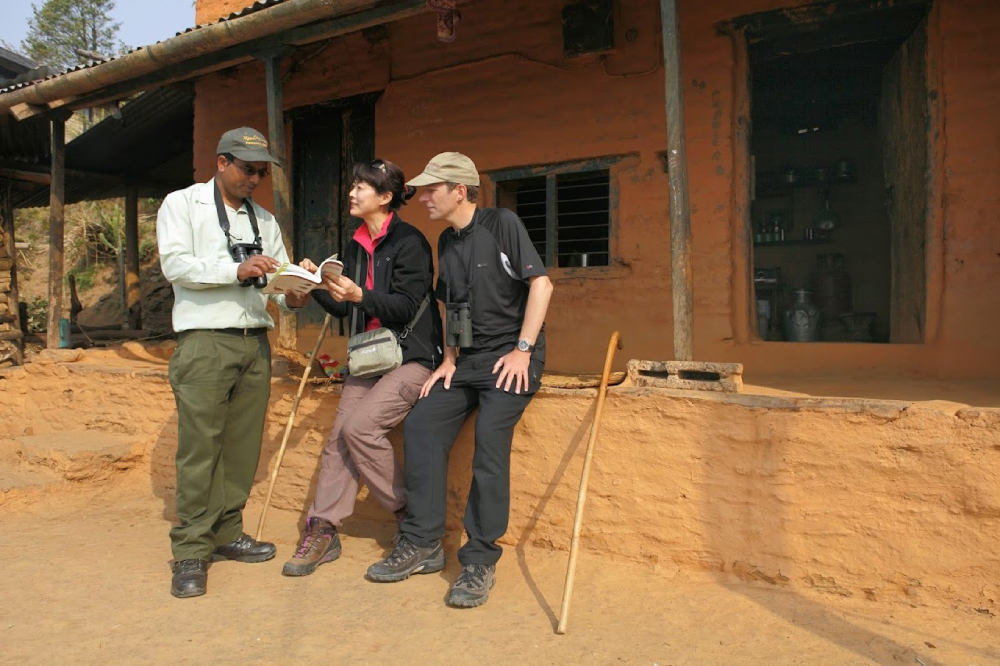
Tell me about the villages we'll pass through. Do you have relationships there? (Authentic guides know locals by name)
What's your communication style preference? (Assess if they match your need for silence vs. conversation)
The Price-Quality Relationship
In Nepal trekking, you get what you pay for — to a point.
Market rates: A fully guided trek (guide, porter, lodging, meals, permits) runs $85-130/day for standard treks, $150-250/day for premium guides. Below $85/day, someone is getting underpaid. Above $300+/day, you're often paying for international operator margin, not on-ground improvement.
A premium guide at $200/day isn't necessarily better than one at $120/day. Sometimes it's just a more established operator charging a brand premium. But a guide at $40/day likely means your safety precautions are minimal and your porter is underpaid.
What the price actually covers: Higher-priced guides typically bring experience (fewer mistakes), better communication (they speak clear English and have worked with international clients), and built-in flexibility (they have contingency plans).
How HST Selects Guides
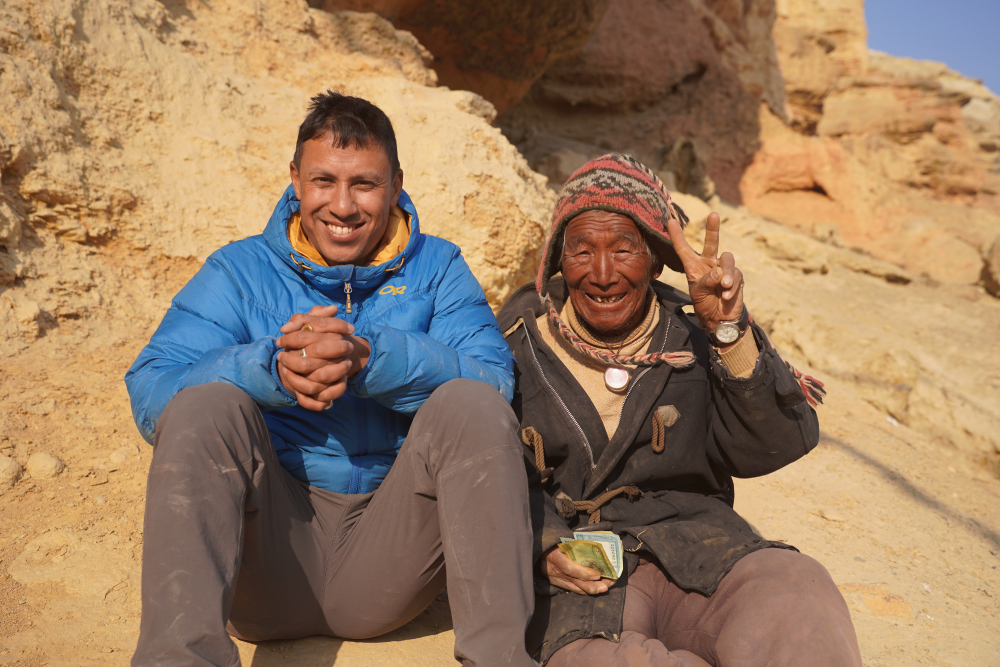
At HST, guides aren't hired on rotation. We work with a consistent set of guides we know and trust. Here's our process:
Years of relationship: We've worked with our core guides for 5+ years. We've walked treks with them. We know how they handle emergencies, how they treat porters, and how they actually lead.
Client briefs: 3-4 days before your trek, your guide sits with our operations team. We discuss your fitness level, preferences, and concerns. He arrives on Day 1 knowing about you, not meeting a stranger.
Skill rotation: We don't rotate guides across 5+ different treks per season. Our guides typically do 2-3 treks, allowing focus and consistency.
Support system: Your guide has operational backup. If something goes wrong, there's a system, not improvisation.
Character assessment: We care as much about personality fit as technical skill. A brilliant guide who's dismissive isn't a good fit.
This means we know every guide personally. We trust them. We're comfortable recommending them because we've vetted them thoroughly.
What To Do If You're Dissatisfied
If on trek you realise your guide isn't working:
- Communicate directly first. Many issues are resolved with an honest conversation. Your guide might not know you're unhappy.
- Contact the operator if direct communication fails. Legitimate operators act quickly to resolve guide issues.
- Document problems. Note what happened, when, and the impact. This helps the operator improve and is relevant for reviews and refunds.
- Know your rights. Most reputable operators will replace a guide or offer refunds for legitimate failures. Bad ones won't — this is a signal to pursue a chargeback with your credit card company.
Final Reality Check
Choosing a guide is the single most important decision in planning a trek. More important than lodge quality. More important than route difficulty. More important than the budget.
A great guide can make a mediocre trek memorable. A bad guide can ruin an amazing one.
Spend time vetting. Ask questions. Don't book based on price alone. Your experience depends on it.
Want to Discuss Guides Before Booking?
We're happy to discuss our guide selection process, answer questions about specific treks, or connect you with past clients. Transparency is part of how we operate.
Related Reading
- What is a Luxury Trek? — How We Define Authentic Premium Trekking
- Annapurna Luxury Lodge Trek — 9 Days with Expert Guides
- Best Time to Trek Annapurna — Season by Season
- Luxury Trekking with HST
Contact us if you have specific questions about guide vetting or want references from past clients.