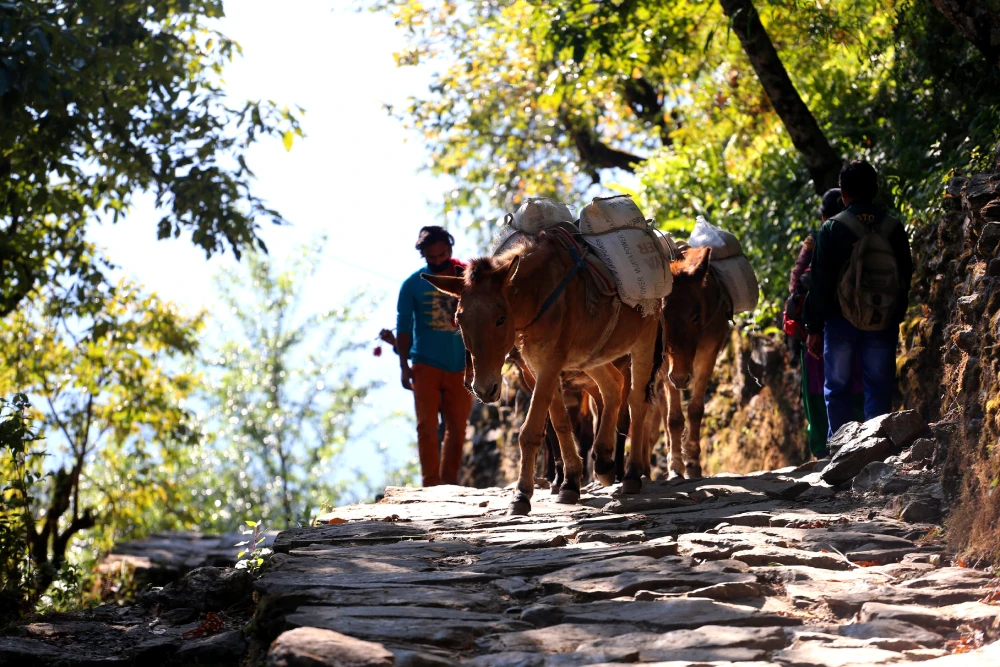
Annapurna Luxury Lodge Trek 2026 — Premium Comfort, Authentic Villages

Duration: 9 Days(5)of 7 reviews

Overview

  • Duration 9 Days
  • Difficulty Level Easy
  • Max. Altitude 1,940 metres
  • Trip Area Annapurna
  • Best Season Feb-May & October-December

Highlights

  • 3-4 hour walking days — meaningful pace
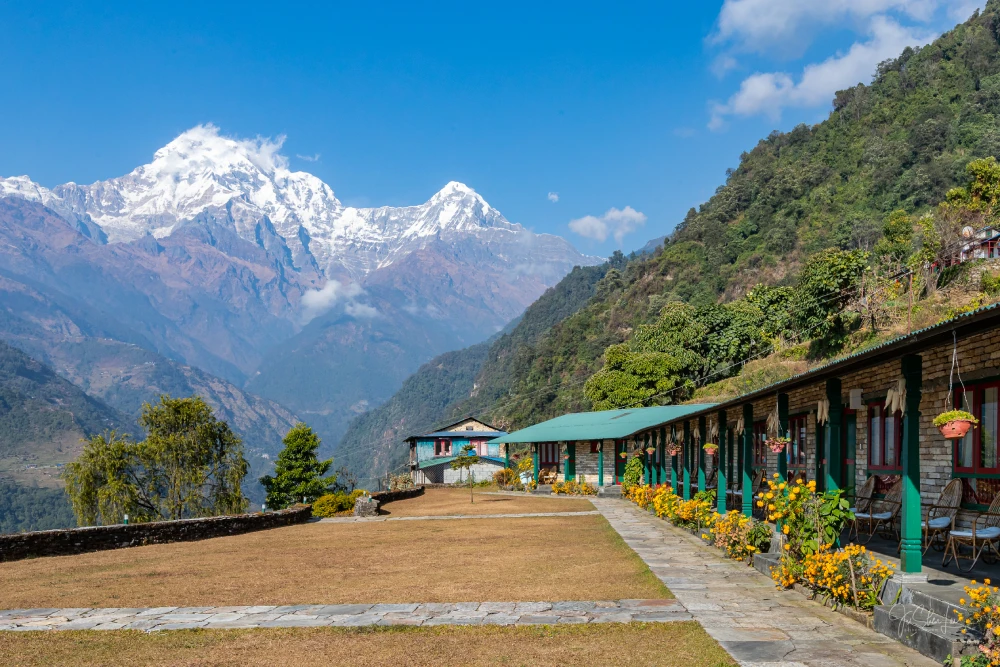
  • Premium heritage lodges — immersed, not isolated
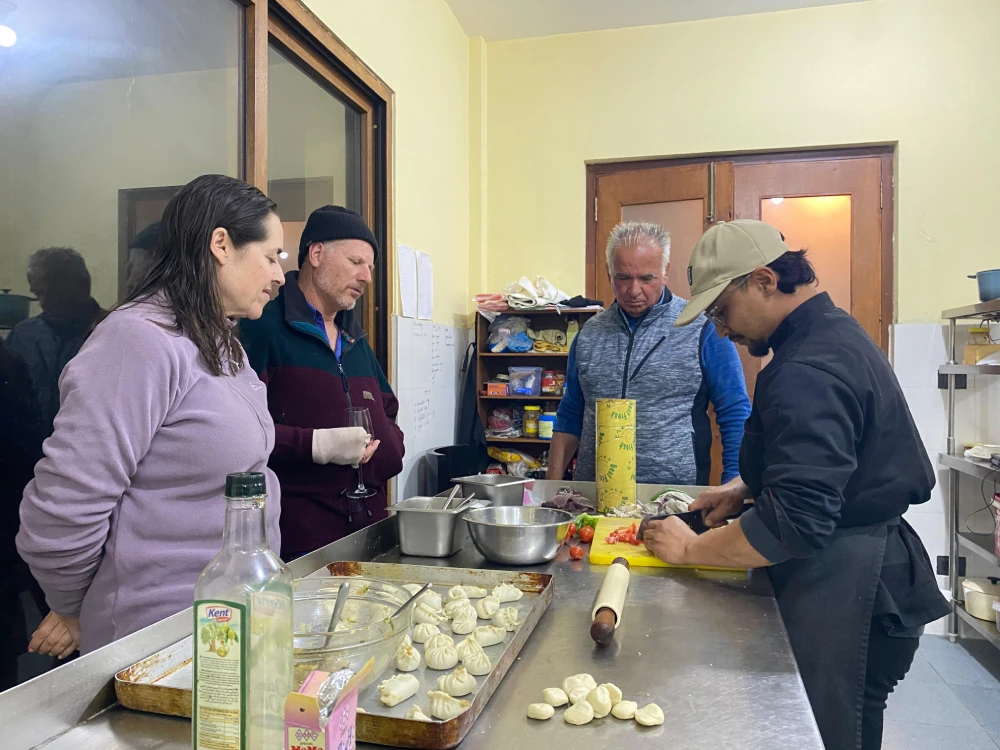
  • Cooking class with a local chef — hands-on cultural connection
  • Guides embedded in communities — real relationships, not performance
  • Small groups (2-4 typical) — space for genuine experience
  • Personally walked & vetted — ground-truth curation

Walk through living villages without a demanding climb. Sleep in premium lodges that don't isolate you from the destination. Learn to cook Nepali food from a local chef. This is Annapurna for travelers who want authentic experience, not endurance.

Why This Annapurna Trek Is Different

You've heard the pitch: "Walk through the Annapurna foothills, see traditional villages, sleep in teahouses." Most Annapurna operators say the same thing. Here's what actually sets this trek apart.

1. Designed for Accessibility, Not Endurance

The Annapurna region draws trekkers because the views are stunning. But most treks demand 5-7-hour walking days and significant elevation gain. This one doesn't. You walk 3-4 hours on average, at a pace that lets you notice things: how rice terraces catch light, what a Nepali family eats for lunch, and why a woman stops to talk with our guide.

This makes the trek accessible to families with children, to travellers over 60, and to anyone who'd rather experience a place than prove something to themselves.

2. Premium Lodges That Don't Isolate

Luxury doesn't mean a 5-star hotel in the middle of a village—that would contradict everything you're here to experience. Our lodges are selected by the same principle: they should enhance your connection to the place, not shield you from it.

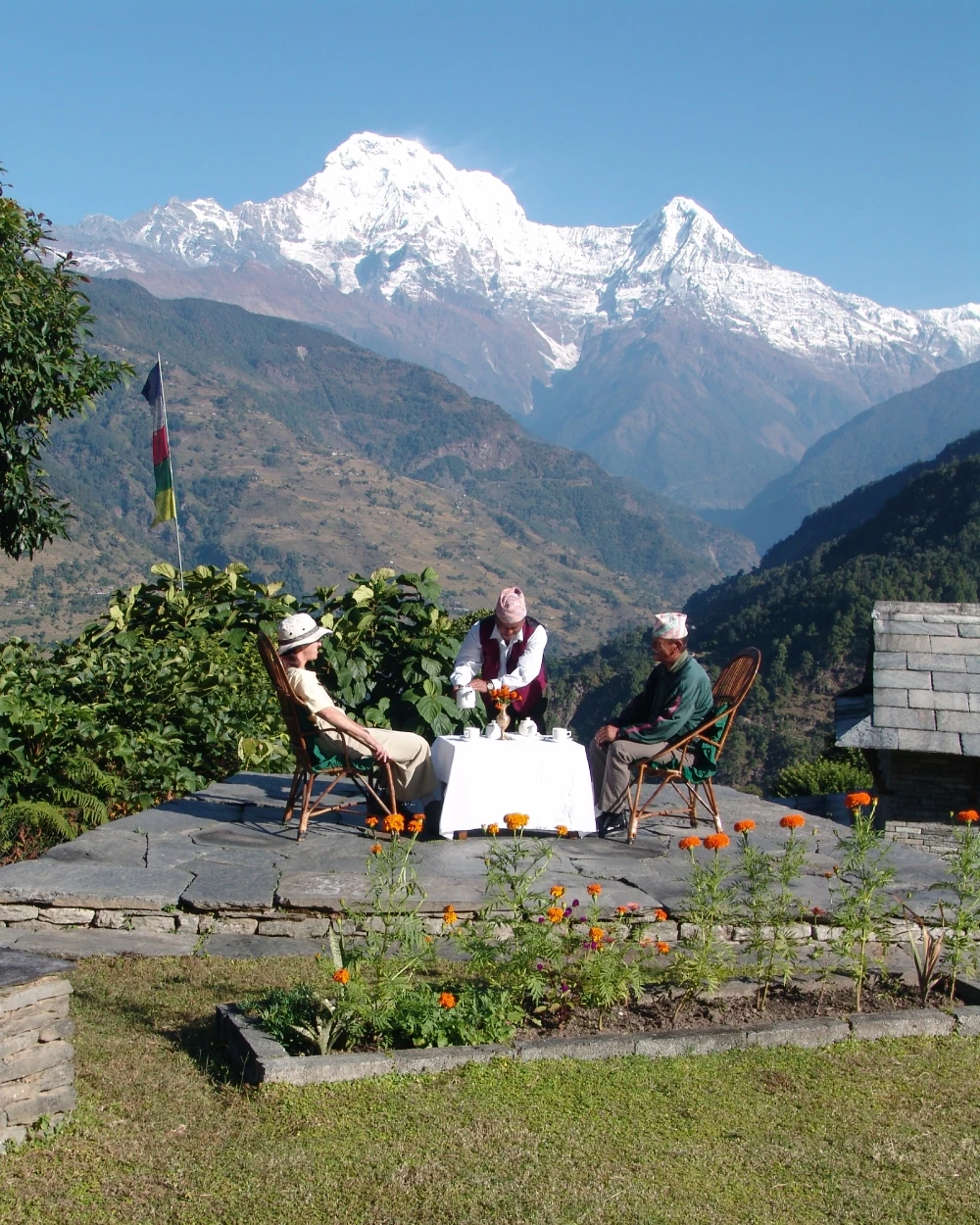
You stay in family-run heritage lodges (not teahouses, not resorts) where the owners live year-round. The kitchen serves Nepali food cooked by locals. You meet families. This is what premium feels like in the Annapurna foothills.

3. The Cooking Class: Food, Culture, Relationships

On Day 6, you spend an afternoon in Dhampus learning to cook with our local chef. You prepare 2-3 dishes, source ingredients together at a local market, and eat what you've made while overlooking the Annapurna range.

This isn't a performed "cultural experience." It's a practical skill taught by someone who cooks this food daily. You leave with recipes, with an understanding of what Nepali food actually is (not what restaurants serve), and often with a genuine connection to the person teaching you.

4. Guides Who Know the Villages

Your guide doesn't just know the trail. He has relationships in the villages you walk through. When you pass a woman working in a field, he knows her. He'll ask about her family's harvest or her daughter's school. You're not observing village life from the outside—you're walking through it with someone who belongs.

This changes everything. The conversations are real. The interactions aren't staged. You see how villages actually function because you're with someone the community knows and trusts.

How We Actually Make This Work

An itinerary on paper looks the same everywhere. What matters is execution. Here's what you won't see but will absolutely feel.

Guide Briefing & Personalisation

3-4 days before your trek begins, your guide sits with our operations team. We share everything about you—your fitness level, your preferences, what matters most to you, and any concerns. The guide doesn't arrive on Day 1 as a stranger.

This is why clients say things like: "He seemed to know exactly what I needed without me asking." That's not magic. That's preparation.

Lodge Selection & Relationships

Every lodge on this trek was personally vetted by Naresh. He's stayed in each one, eaten with the families, and talked with them about their operations. When we book you into a lodge, you're not just getting a bed—you're being placed into a family that we genuinely know and trust.

Our relationship with these lodges means they prepare for you. They know you're coming. They take extra care. This attention compounds over the 6 trekking nights.

The Cooking Class: Planned, Not Improvised

The chef in Dhampus has cooked with HST clients for years. He knows how to teach (not everyone can do this). He speaks enough English to communicate clearly. He's practised the recipes he'll teach you. The market visit is structured so you understand Nepali ingredients, not so you get lost.

Details: he'll source ingredients the morning of your arrival so they're fresh. He'll adjust recipes if you have dietary restrictions. He'll give you a written card with the recipes and ingredient lists so you can make these dishes at home.

Trail Acclimatisation Without the Slog

The itinerary is designed so your body adjusts gradually. Days 1-2 are short. Day 3 is more intense, but by then your body knows what it's doing. Days 4-5 keep you steady. Day 6 is short again. There's no aggressive push followed by rest—it's rhythm.

Elevation gain is distributed so you're never jumping more than 600m in a single day. That matters more than most trekkers realise.

Logistical Invisibility

Every morning, your breakfast appears at a reasonable time. Your bag is somehow waiting for you at the next lodge, even though you walked a different route. Lunch is ready when you arrive. Your guide knows which river crossings might be washed out this time of year.

You don't notice these things. That's the goal. Logistics should feel seamless because someone's spent years making it that way.

Itinerary

Walking time is 3-4 hours daily, with rest days in Pokhara built in. Elevation gain is gradual—the highest point is 1,940m, well below the altitude threshold.

Show Detail ItineraryClose Detail Itinerary

What happens: You arrive at Tribhuvan International Airport. Our team meets you and transfers you to your hotel in Kathmandu. Afternoon is free to rest or explore. Evening briefing with your guide (he'll go over the itinerary, talk about what to expect, and answer any questions).

Why this matters: We brief guides on client preferences days before the trek starts. Your guide will know whether you prefer early mornings, whether you have any dietary needs, and how much you want to talk vs. walk in silence. This personalisation is invisible but shapes the entire experience.

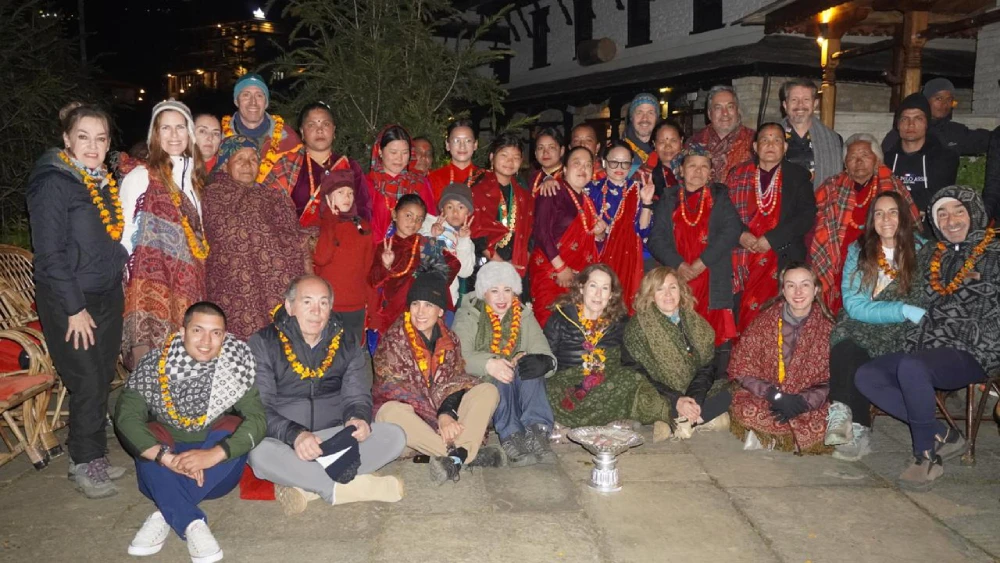
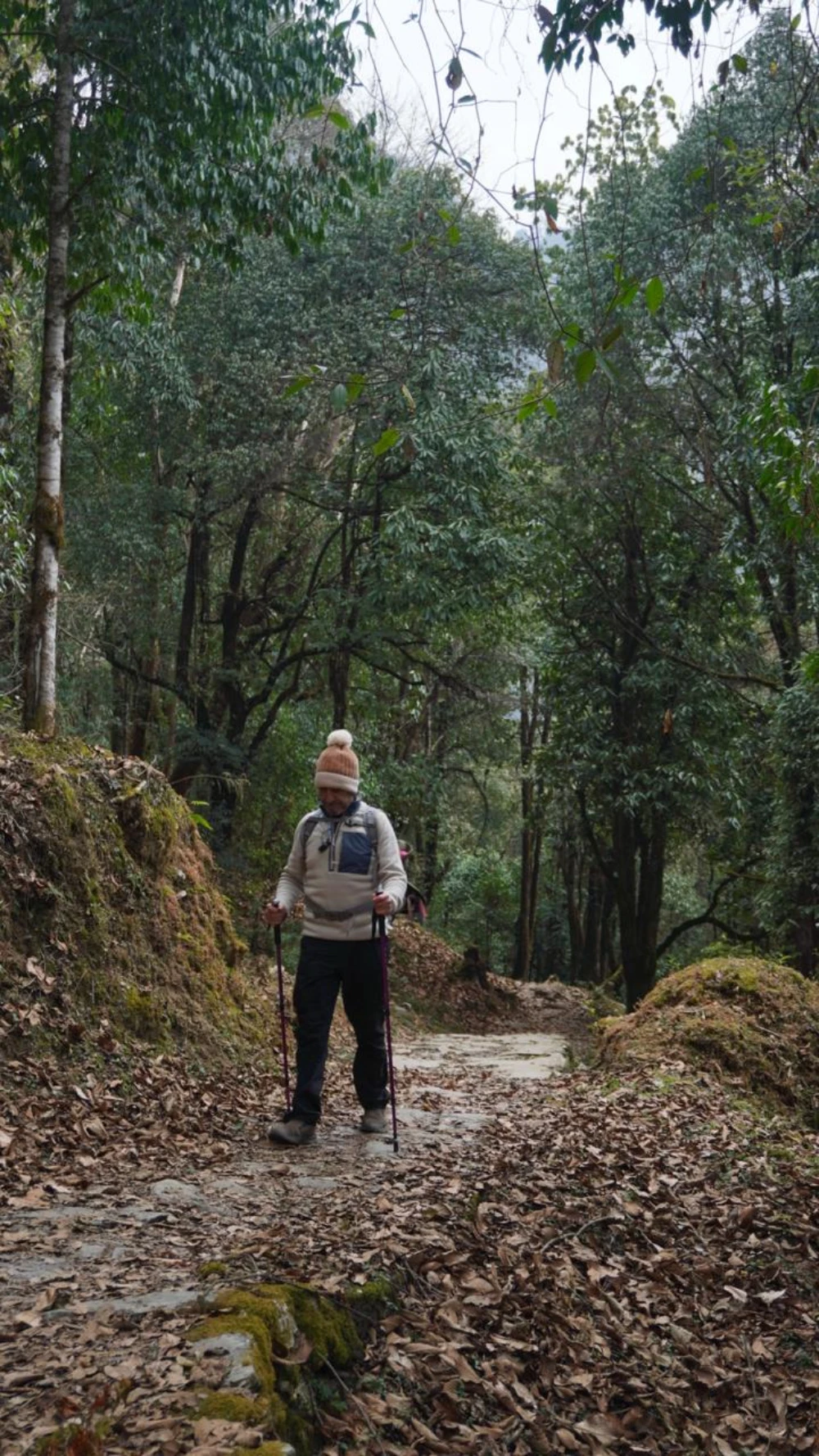
What happens: Early flight to Pokhara (30 minutes). Drive through the Pokhara valley to Dhawa, then the trek begins. The first day is short—3 hours—through rhododendron forests and traditional settlements. You arrive in Birethanti village, where you meet your lodge family and have dinner with them.

Why this matters: Day 2 establishes what's different about this trek. You're not isolated in a commercial lodge. You're eating with the family that runs the lodge. You're meeting the people whose home you're staying in.

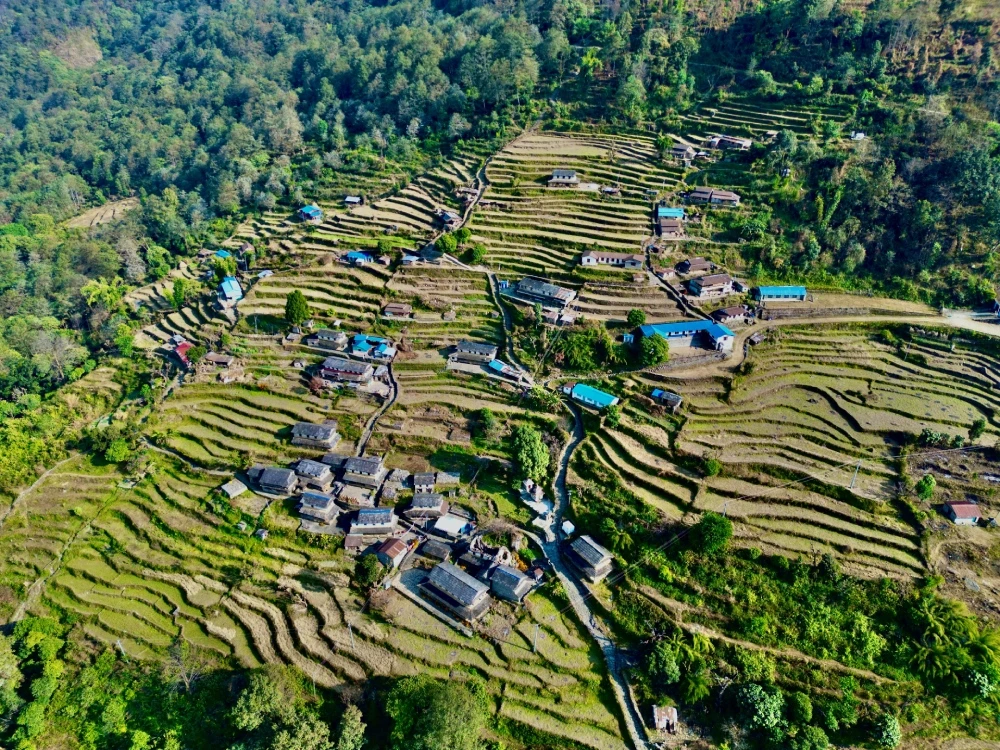
What happens: Trek through rice terraces, past farms where you'll see workers harvesting or preparing fields (depending on season). The trail winds through Magar and Gurung villages, where daily life continues around you. Ghandruk is a large traditional village—you'll spend the afternoon exploring, visiting the Gurung museum, and talking with locals.

Why this matters: This is where your guide's village relationships show. He'll introduce you to families he knows, explain the difference between Magar and Gurung traditions, and point out details you'd miss alone.

Flexibility option: Since this day is a long walk, you have the flexibility to opt out post-lunch for the walk and reach Ghandruk by a local Jeep, hired privately for you. From the Jeep point in Ghandruk, you will be walking to the lodge for roughly 20 minutes up through the village.

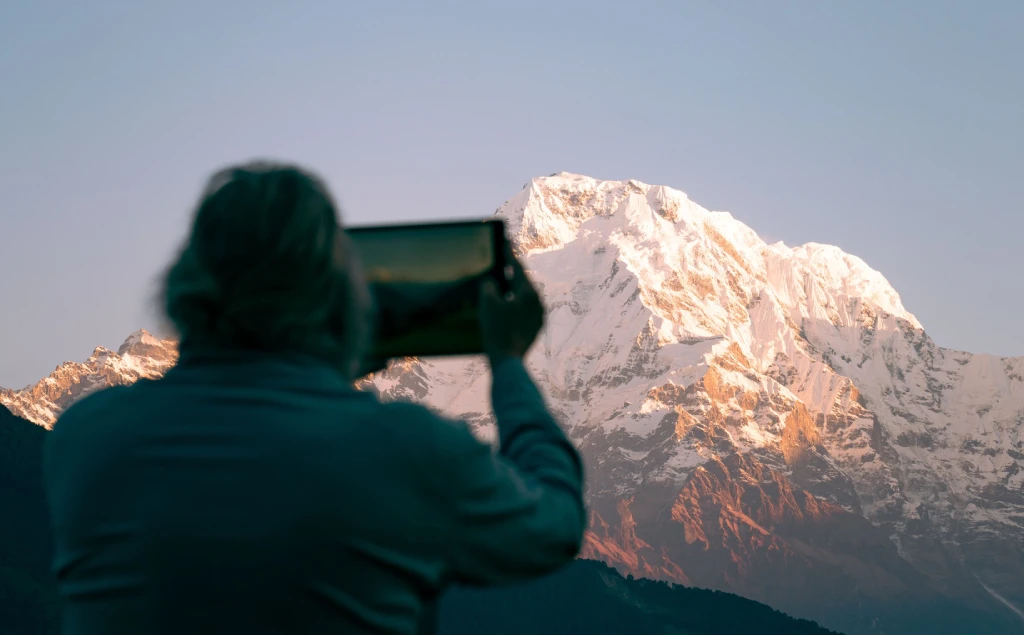
What happens: A scenic downhill and uphill through forests and farm villages. You'll encounter more people working in fields, terraces, and homes. Landruk is a small, quieter village with views of Machhapuchhare (the sacred "Fishtail Mountain"). Afternoon is free to rest or explore the village at your own pace.

Why this matters: Landruk is deliberately small. You won't find crowds of trekkers here. The lodge is family-run and intimate. This is the rhythm of the trek: walk, arrive, become part of the place for a night.

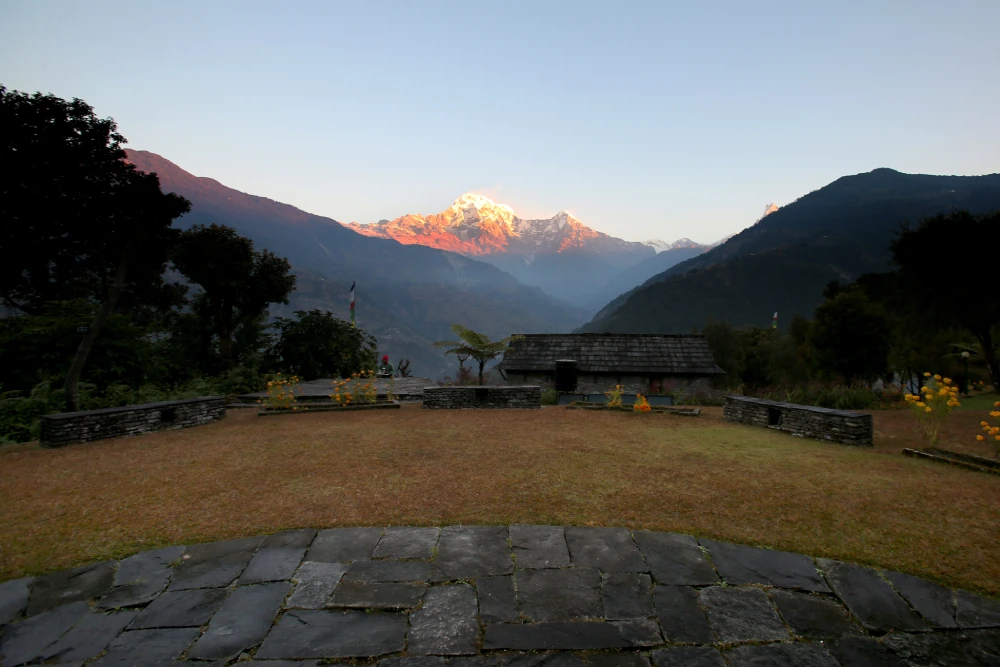
What happens: Trek through pine forests and rhododendron groves to Majhgaon, a settlement perched on a ridge with Annapurna views. The walking is moderate, the views steady throughout. You reach the lodge early in the afternoon, with the rest of the day free.

Why this matters: By Day 5, you've settled into the rhythm. You notice things you missed on Day 1. You know how your guide communicates. The landscape becomes familiar rather than novel.

What happens: Trek to Dhampus (3 hours), then the afternoon is reserved for your cooking class. You visit a local market with your chef, or go to a farm, select fresh ingredients, return to the lodge kitchen, and spend 2-3 hours learning to prepare traditional Nepali dishes. You cook and then eat together, overlooking the Annapurna range and Pokhara valley.

Why this matters: This is the signature experience of the trek. It's hands-on, authentic, and deeply memorable. You leave with skills and understanding—not just photos.

What happens: Descend from Dhampus to Pokhara (1.5 hours). The rest of the day is completely free. You can rest at your hotel, walk along Phewa Lake, visit local markets, or simply sit and process the trek. Many clients use this time to journal, rest, or have long conversations with their guide.

Why this matters: The trek is designed with spaciousness. You're not rushing from one place to another. Day 7 is a real buffer—not something you race through to get to the next activity.

What happens: Flight back to Kathmandu (25 minutes). Afternoon is free. You can nap, explore Kathmandu if you haven't already, or simply rest. Evening: farewell dinner with your guide, where you can ask questions, share what stood out, and exchange contact information if you'd like to stay in touch.

Why this matters: The guide relationship doesn't end abruptly. There's time to reflect together. Many clients continue corresponding with their guides long after the trek ends.

Transfer to the airport for your international flight. Our team coordinates timing so you have no stress—we know flight schedules and plan accordingly.

Not satisfied with this regular itinerary?

Are you thinking to plan your custom trip now.

Cost Details

Included

  • All accommodation in heritage lodges (6 nights trekking, 2 nights Kathmandu/Pokhara)
  • All inclusive meals (breakfast, lunch, dinner) with alcoholic or non-alcoholic drinks
  • Experienced English-speaking guide
  • Porter, if you have luggage (strongly recommended)
  • Cooking class with a local chef in Dhampus
  • All permits (Annapurna Conservation Area Permit)
  • All Land transfers throughout the trip (with flexibility option on Day 3)
  • All Domestic Flights in class ECO as per the itinerary 
  • Standard room amenities (Ensuite bathroom, Hot shower, Heated bed, Unlimited boiled & filtered drinking water, Bathroom slippers, Hair dryer on request)  
  • Trekking Equipment (Trekking Poles and Trekking Luggage Bags) 
  • All taxes as of the date

Excluded

  • International flights to/from Nepal and a visa for Nepal Entry
  • Travel insurance (required)
  • Personal expenses and tips
  • Optional activities in Pokhara or Kathmandu
  • Single Supplement Fee (Contact Us)

Useful Info

Difficulty Level: Easy

This trek is genuinely easy. Walking days are 3-4 hours. Elevation gain is gradual. Maximum altitude is 1,650m, well below the threshold where altitude sickness becomes a concern for most people. It's accessible to families with children (ages 8+), to travellers over 60, and to anyone prioritising experience over endurance.

Best Time to Trek

October-November: Clear skies, moderate temperatures, and villages are harvesting. This is optimal.

March-May: Also excellent. Warmer, rhododendrons bloom. Slightly more humid, but still beautiful.

December-February: Possible but cold, especially at higher elevations. Fewer trekkers.

June-September: Monsoon. Not recommended (trails are muddy, views obscured).

Visa & Permits

You'll need a Nepal visa (available on arrival at Kathmandu airport). The Annapurna Conservation Area Permit (ACAP) is included in this package. We arrange everything—you just need your passport.

Fitness Requirements

You don't need to train for this trek. If you can walk 1-2 hours on flat ground without discomfort, you're fine. The altitude is low. The daily walking time is short. The goal is experience, not achievement.

Group Size

Maximum 6 people per group. This isn't arbitrary—smaller groups are easier for guides to manage, conversations flow better, and you're not swallowed by a trekking mob. We often run groups of 2-4, which creates a different (more intimate) dynamic.

Luggage & Porters

You carry a small daypack (10-15 litres) with water, snacks, a rain jacket, and a camera. Your main luggage is carried by a porter (or multiple porters if you have a lot). Porters earn roughly $15-20 per day, and it's highly appreciated if you tip them at the end of the trek.

Accommodation Standards

These are family-run heritage lodges, not hotels. You get a clean, warm room with an attached bathroom and hot water (sometimes). WiFi is spotty. This isn't luxury in the resort sense—it's authenticity and comfort in balance. If you need high-end amenities, this trek isn't for you.

Food & Dietary Needs

Most meals are Nepali (dal, rice, vegetables, curries). Meat options are available if you eat it. If you're vegetarian, vegan, or have allergies, let us know, and we'll coordinate with lodges in advance. The cooking class can adapt to your dietary preferences.

What to Pack

  • Comfortable walking shoes (already broken in)

  • Warm layers (fleece or down jacket—evenings are cool)

  • Rain jacket and waterproof bag cover

  • Sunscreen, hat, sunglasses

  • Toiletries (lodges have basic soap, but bring your preferred products)

  • Any medications you take regularly

  • Lightweight clothes for Kathmandu/Pokhara

Altitude & Health Considerations

The maximum altitude on this trek is 1,940m. You're unlikely to experience altitude-related problems. However, if you have heart or lung conditions, discuss this with your doctor before booking. Travel insurance that covers evacuation is required and strongly recommended for all trekkers.

Porter & Guide Welfare

This matters to us, and it should matter to you. Our guides and porters are paid fairly (well above regional minimum wage), receive health insurance, and have access to training. Tipping is appreciated but not expected or required. We believe in paying workers well rather than relying on tips.

Why Himalayan Scenery Treks, Not Someone Else

We Actually Vet Everything

Naresh has walked these trails, stayed in these lodges, and eaten food cooked by these chefs. He doesn't recommend places he hasn't personally tested. This isn't theoretical—it's lived expertise. When your guide tells you "I know why we chose this lodge," he's reflecting actual knowledge.

Small Groups, Real Personalisation

We cap groups at 6 people. Most runs are 2-4. This isn't for show—it's because we believe groups that size create better conversations, easier logistics, and more authentic experiences. You're not one of 15 people wearing matching t-shirts.

Guides With Relationships, Not Just Trail Knowledge

Our guides know villagers. They have ongoing relationships with lodge families. They're not cycling through 10 different treks each season—many have been guiding with us for 5+ years. That consistency matters.

You're Paying for Curation, Not Discounts

This isn't a budget trek marketed as luxury. We're not cutting corners on lodge quality or guide expertise to hit a low price point. You're paying $2,695-$3,495 because that's what it costs to do this genuinely well. If you're comparing us to $899 Annapurna treks, you'll find your answer there. If you're comparing us to other premium operators, you'll find our philosophy more grounded.

Long-Term Relationships Matter to Us

We want you to come back. We want you to recommend us to friends. That means we're more concerned with whether you had a genuine experience than whether we maximise profit per trek. This shows in small ways: guides who stay in touch, follow-up emails that feel personal, and a willingness to customise itineraries for your needs.

Ready to Trek?

Let's design this trek around your schedule and preferences.

Send Inquiry