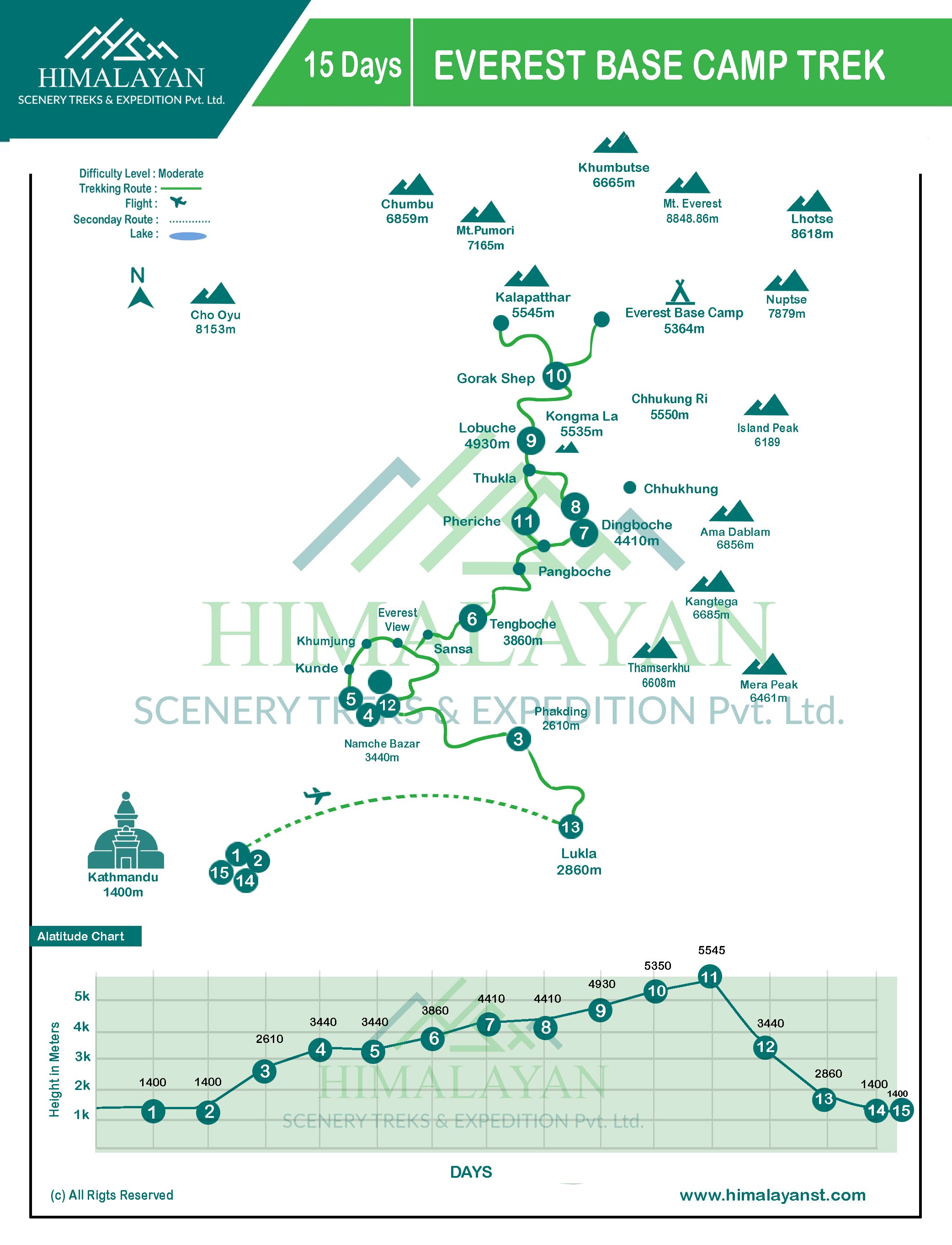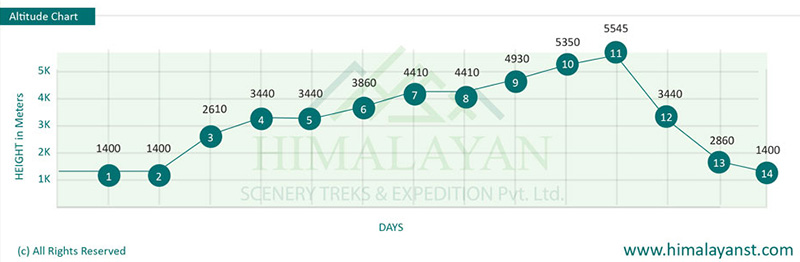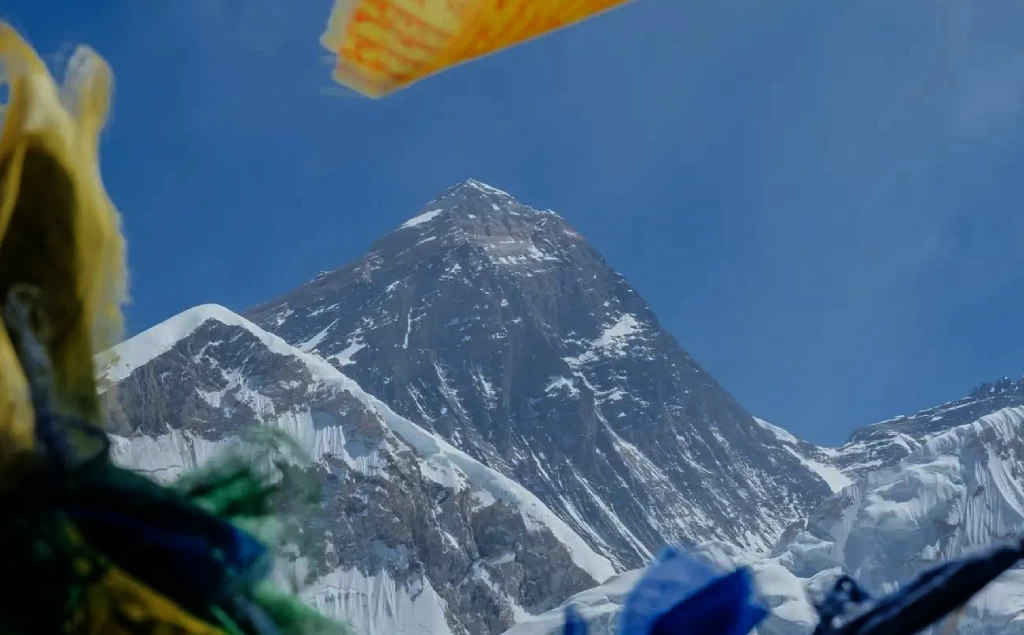
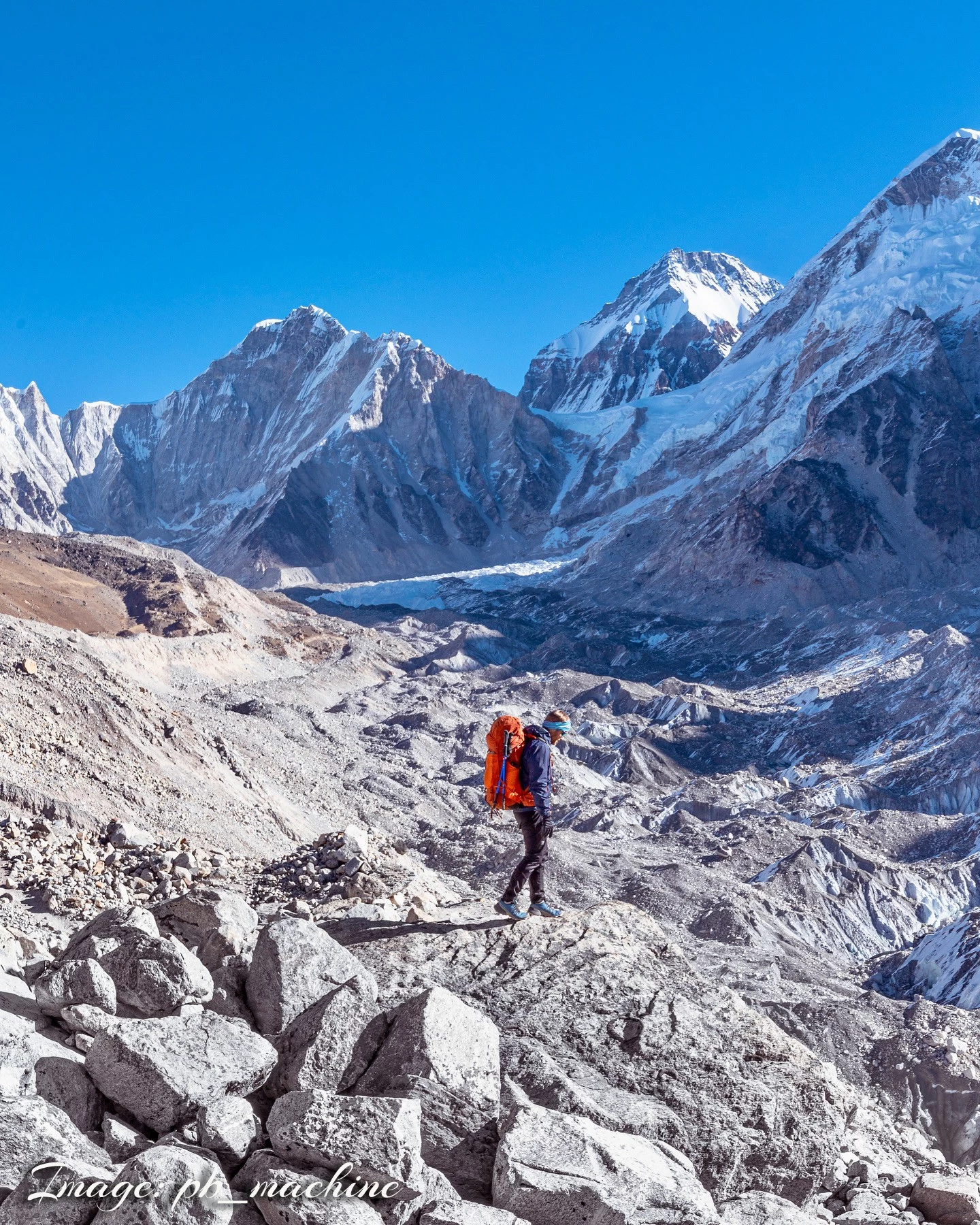
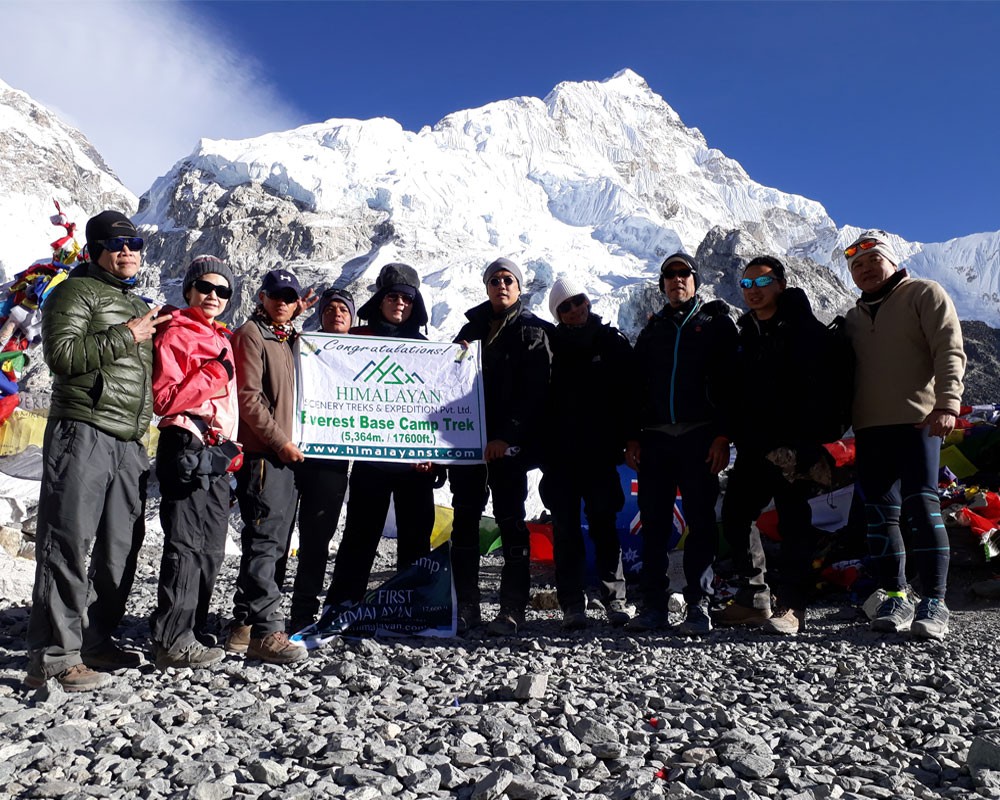
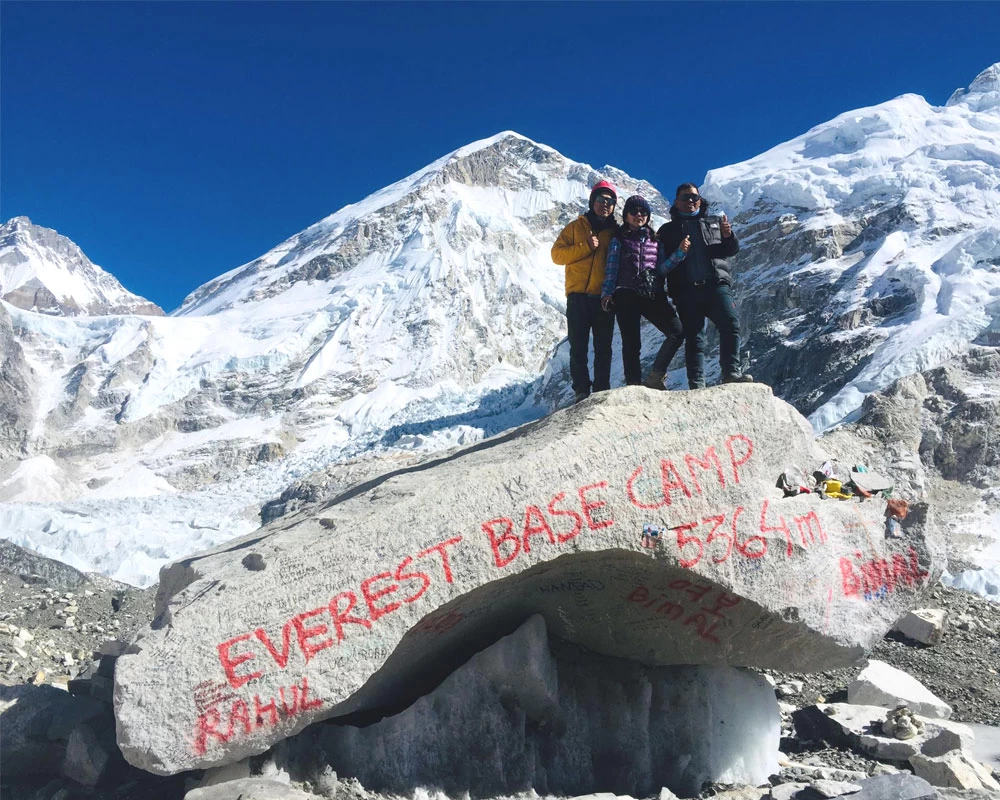
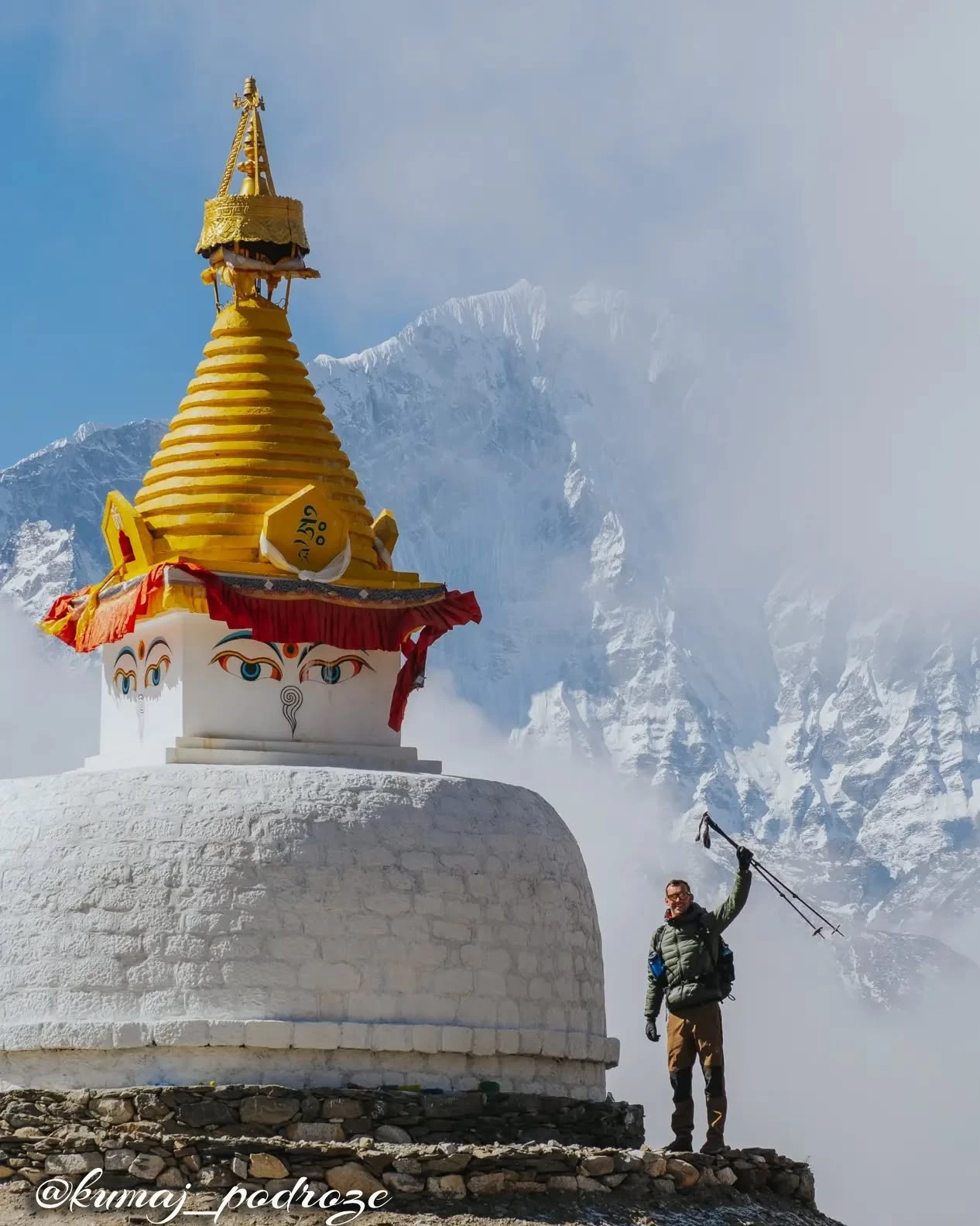
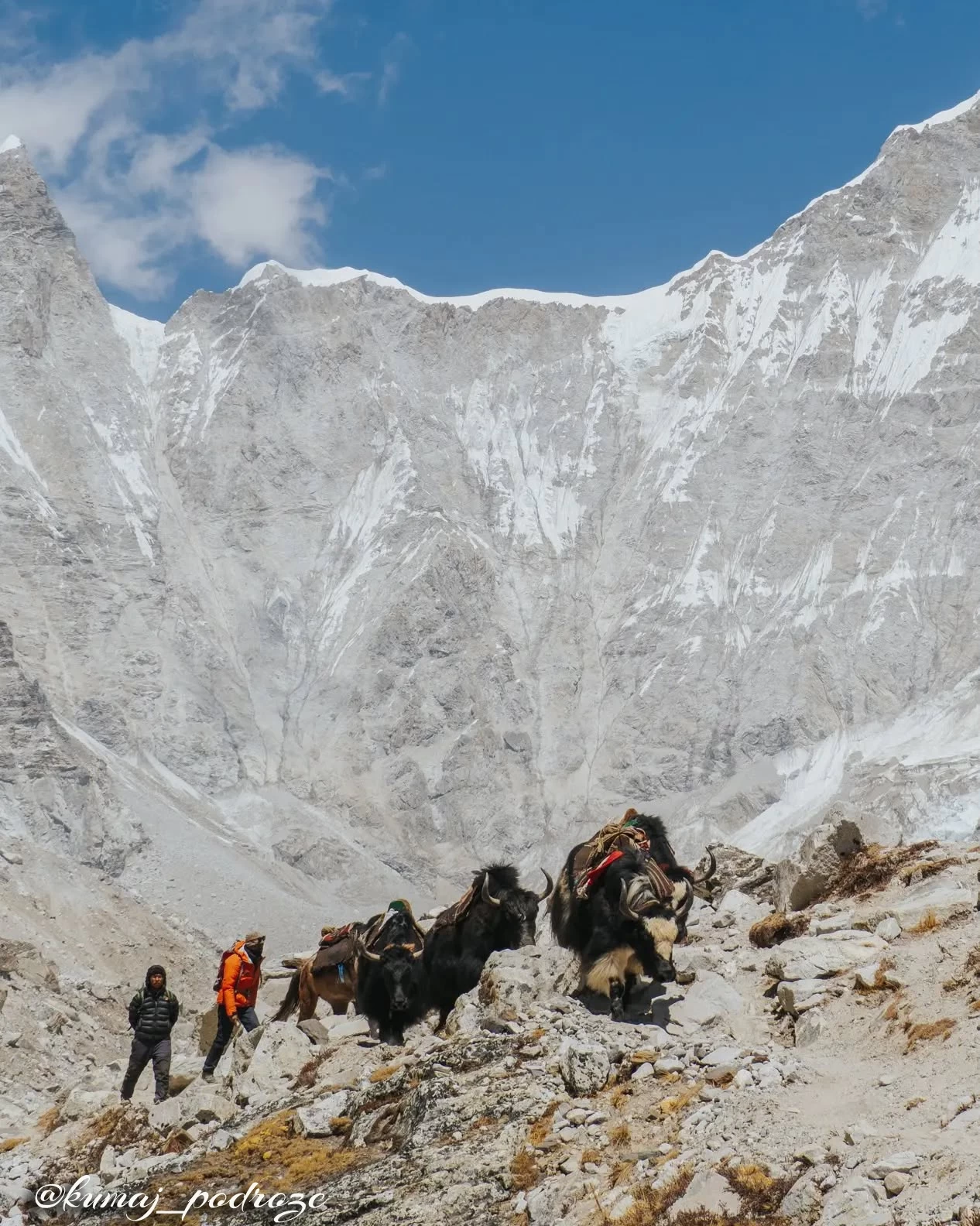
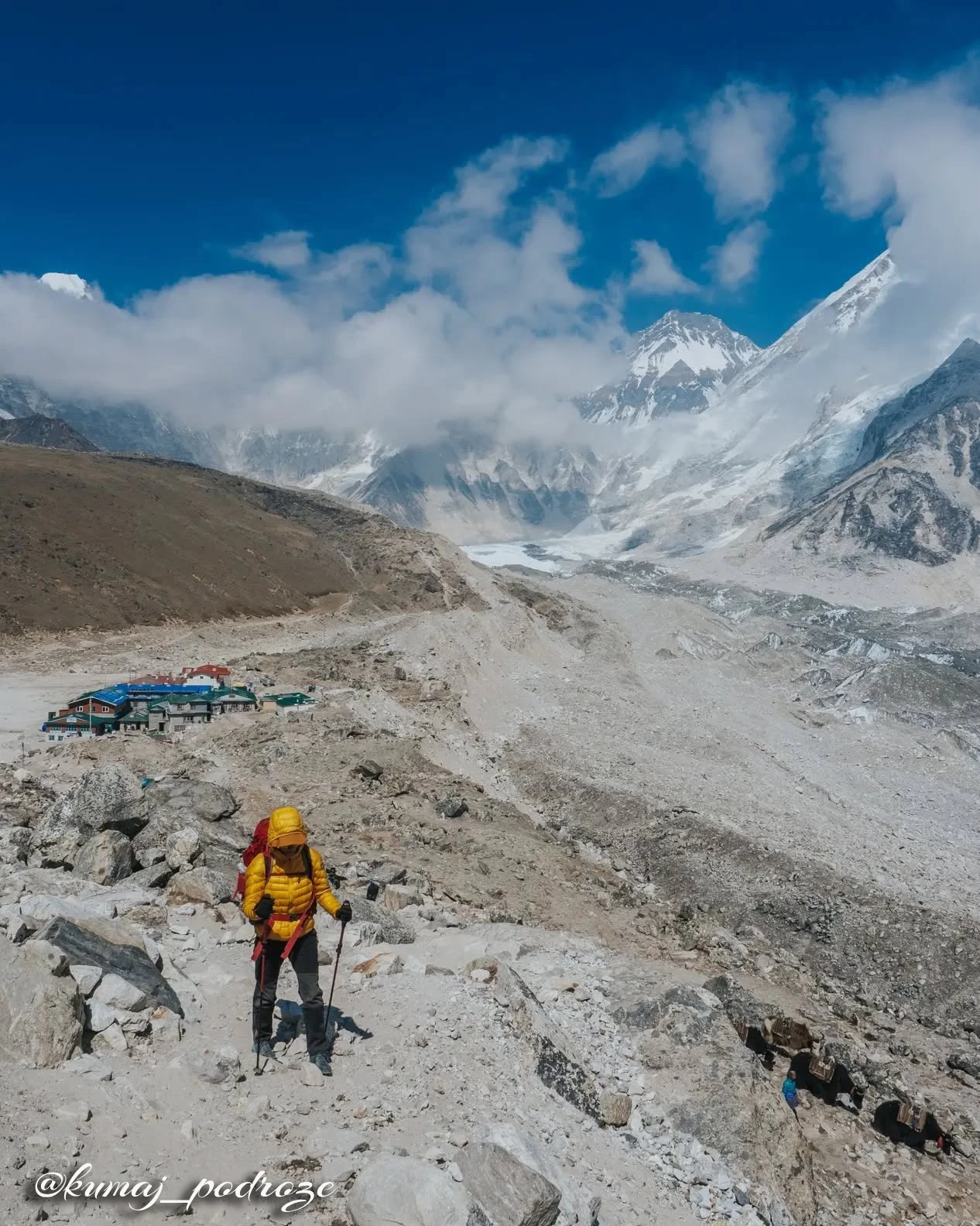
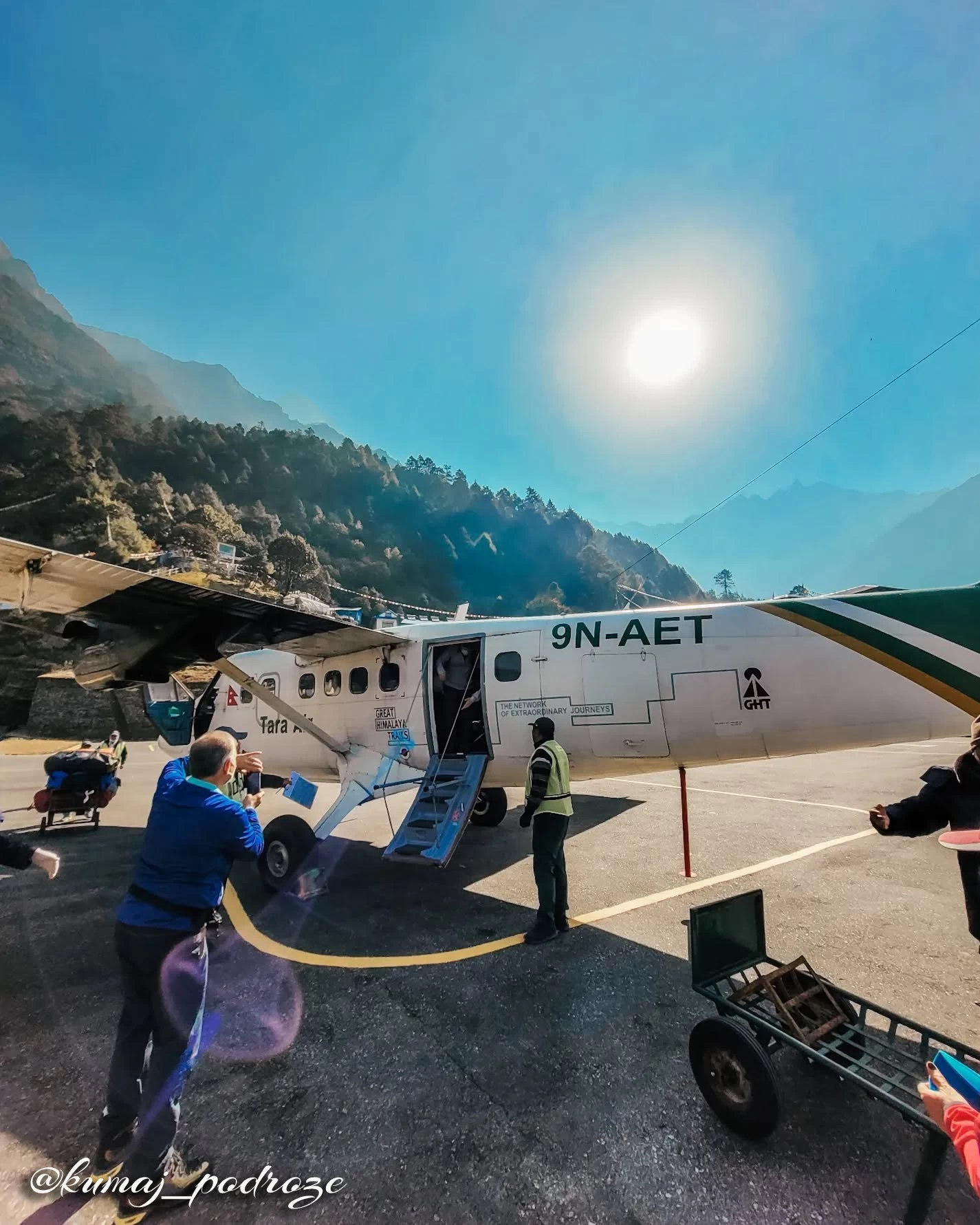
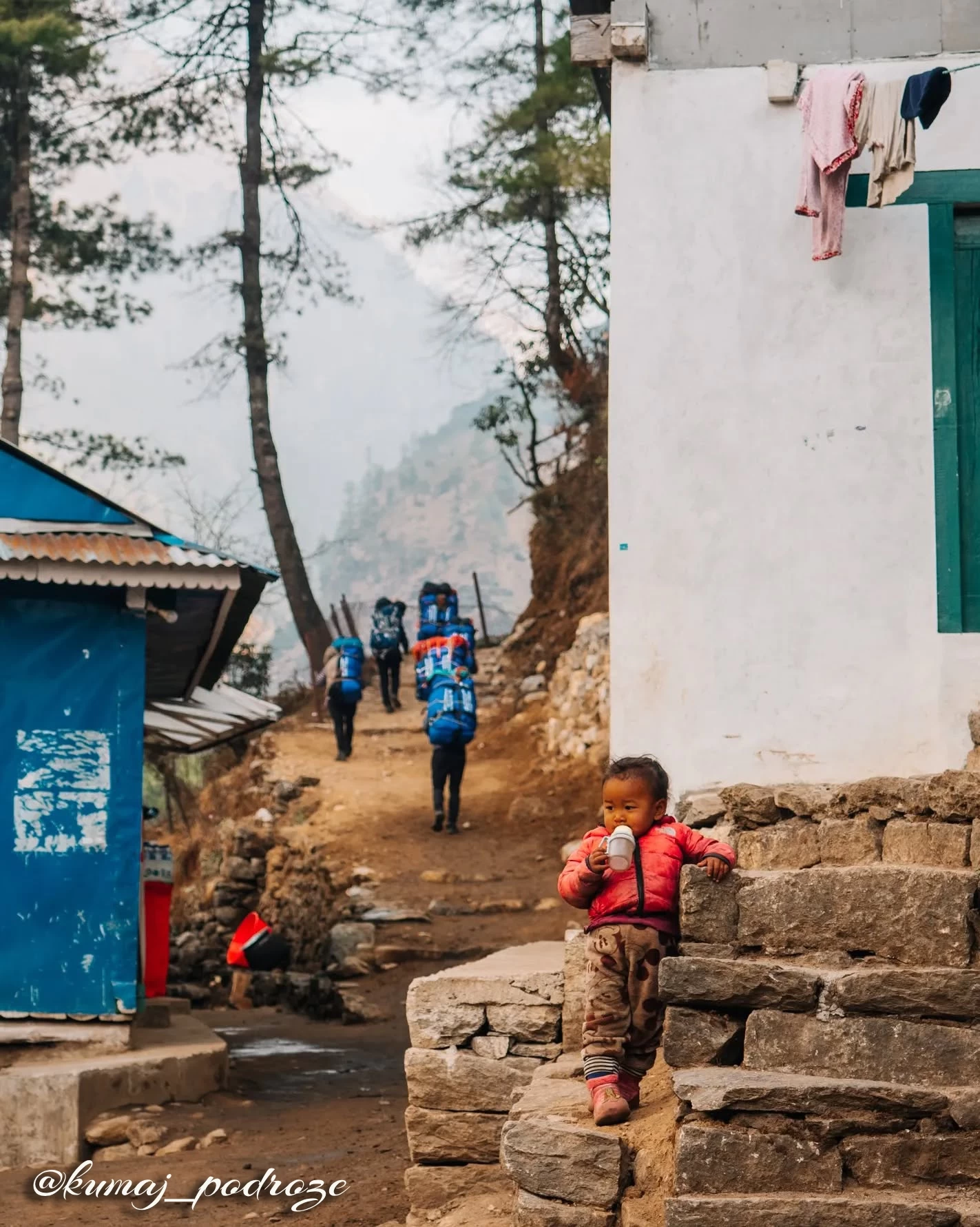
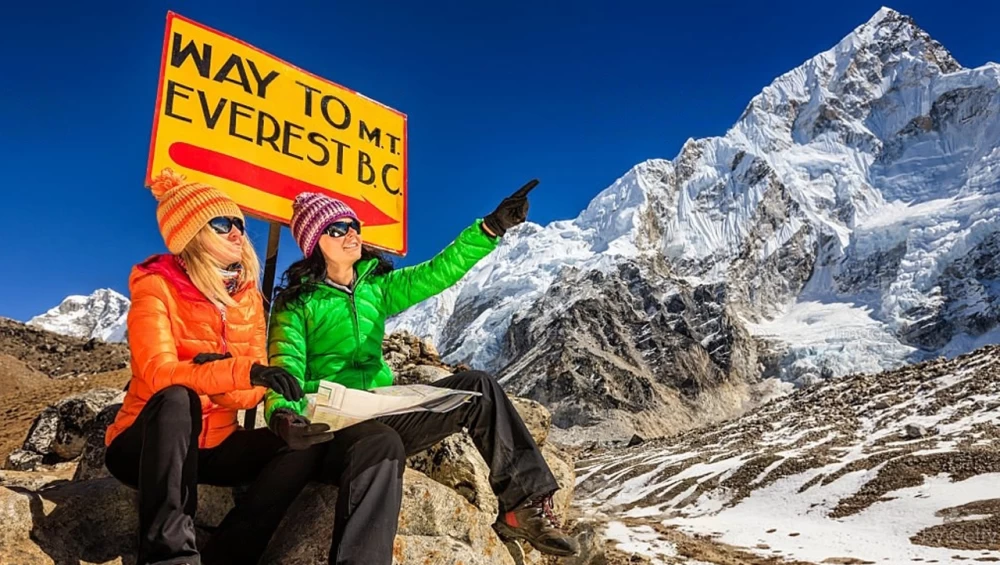
This is the classic Everest Base Camp trek — 15 days, fully guided, designed for trekkers who want the complete Khumbu experience without cutting corners. You fly into Lukla, walk through Sherpa villages, acclimatise properly in Namche Bazaar with a hands-on Sherpa cooking class, sit with a monk at Tengboche Monastery, and reach Base Camp at 5,364 metres before summiting Kala Patthar for the highest sunrise you will ever see.
Our guides know your name, your pace, and your food preferences before you land in Kathmandu. This is not a tour group. This is your trek, with the right team behind it.
Best Time for Everest Base Camp Trek
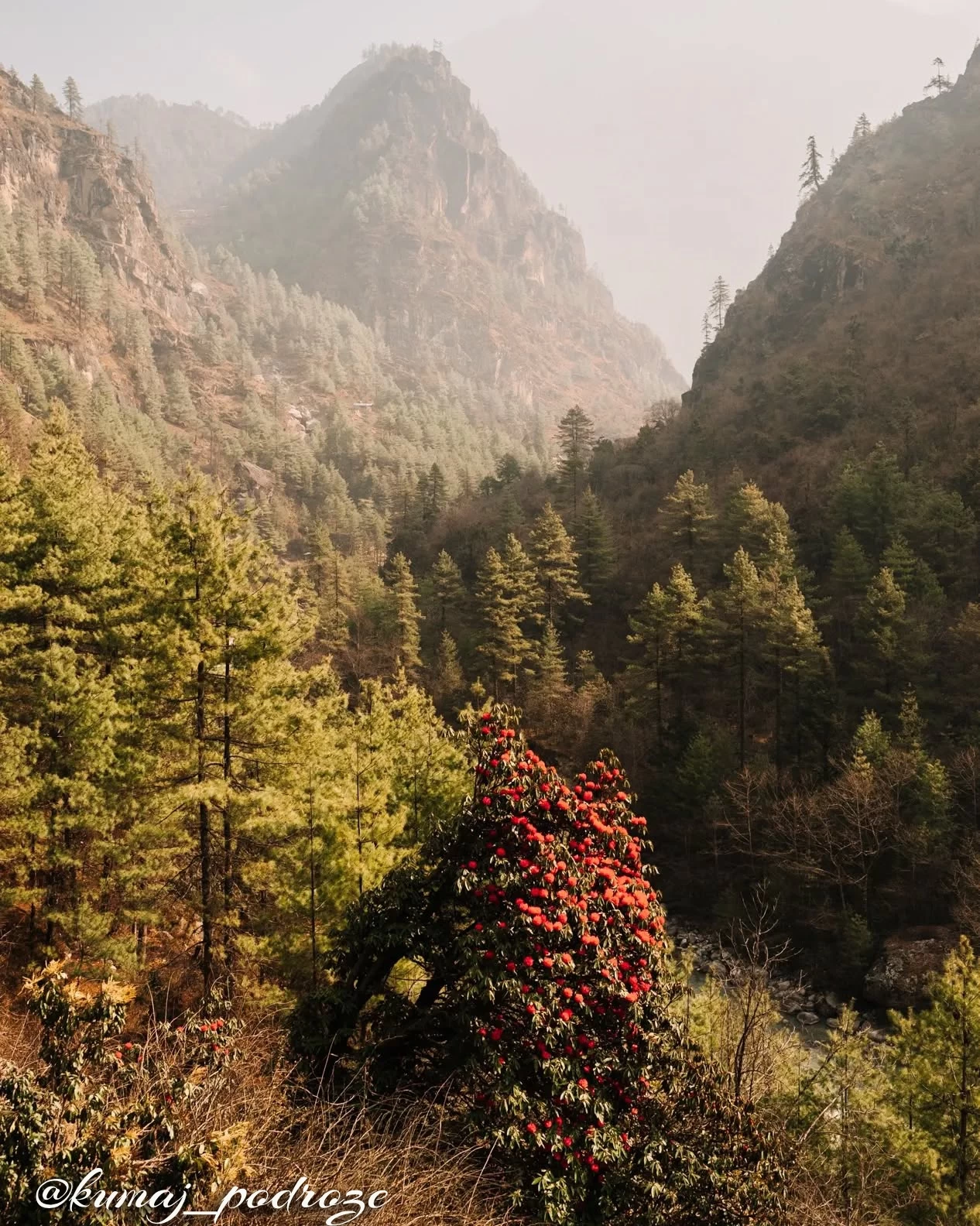
Spring (February to May): Spring is the best season to trek in Khumbu. The skies are so clear, which is always the best thing to have when you are going to the mountains. The red forest full of rhododendrons is always mesmerising in Spring in the Sagarmatha National Park. However, it is quite hard to get enough accommodations during the season.
Autumn (September to December): The mountains are perfectly visible throughout the season. But remember, as the mountains surround you, the weather is not so sure during this time. The rhododendron, however, cannot be found during the Autumn. But you will not miss the Danphe and the beautiful Dudhkoshi River's sound along the trail. It might usually snow towards the end of the season.
Difficulty of the EBC Trek
Many travellers have once questioned, ‘How hard is it to trek to Everest Base Camp? Can a beginner do the Everest Base Camp Trek? Don't worry, because we are here for that question.
The difficulty of this trek is strenuous, where one will be facing unpredictable weather, rough terrain, altitude sickness, and Lukla flight delay. (Also, check the Lukla flight weight limit)
Anyone can accomplish the dream of the ‘Everest Base Camp Trek’ with enough training or daily exercise for 3 months. Even the imagination of Everest and the other 8000ers surrounding you is admirable and honourable. It’s the saying “High rewards come with a high price,” so act accordingly.
Everest Base Camp Trekking Routes
There are two routes to Everest's base camp. Let's discuss in detail these two routes below:
Classic EBC Route
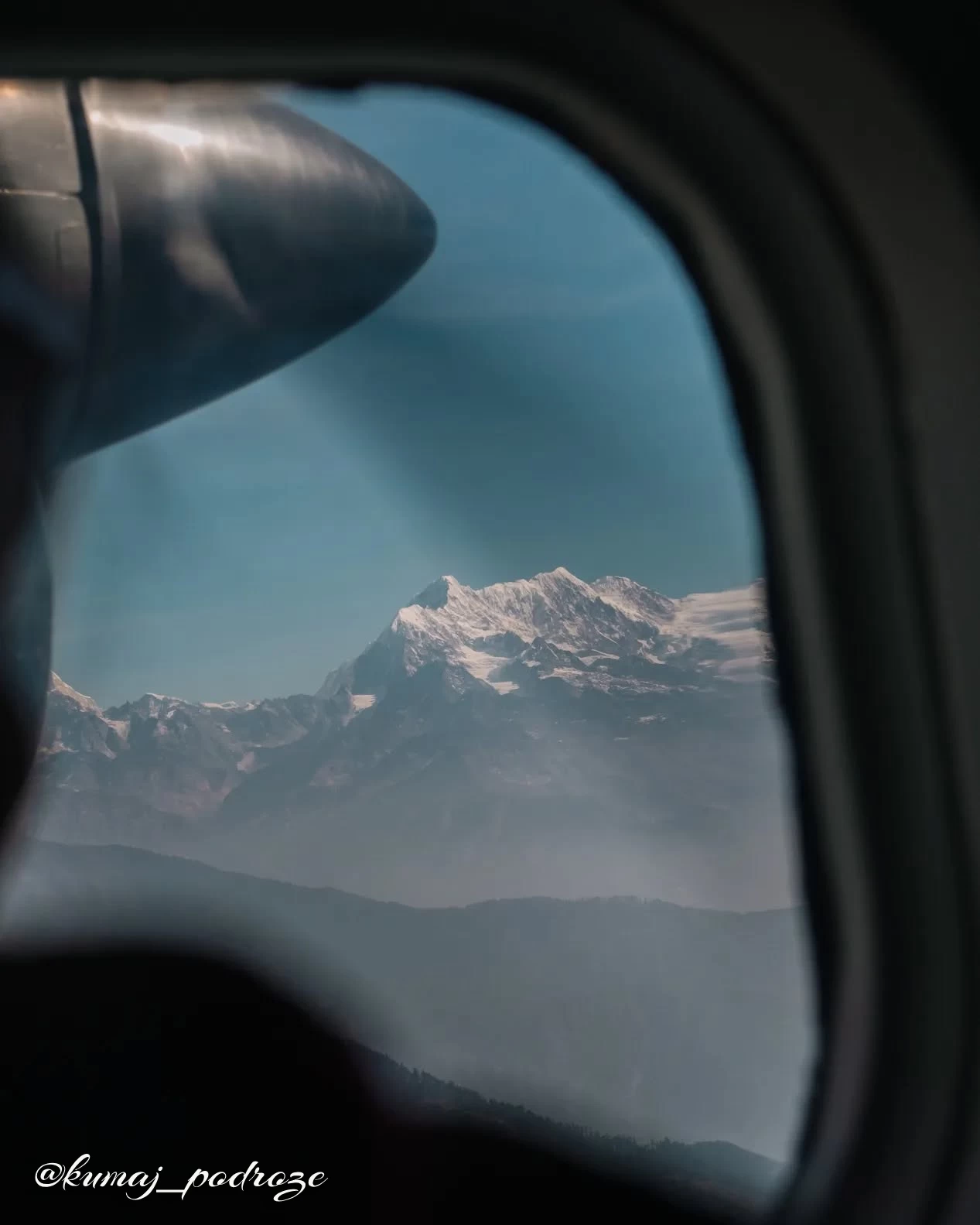
This Classic Everest Base Camp Trek involves a two-way flight. First, you will go to Lukla on a twin-otter plane booked by our company. This usually involves Sita Air. Then, from Lukla, your walk will go for 12 days up and down the hills and mountains in the Everest region. This new route started only after Lukla Airport (Tenzing-Hilary Airport) was constructed in 1964.
The Lukla Airport is still considered the most dangerous airport in the world. But still, the price of the flights remains the same; the flights might be packed during the peak season of the region. So, we recommend you book it right away so that you won't miss Everest. This way, your intentional walk will be around 65 kilometres of trail (roughly 40 miles) on the way to the EBC.
Kathmandu-Bupsa/Salleri (Road), Salleri-Lukla-EBC-Lukla Trek and Fly Back to Kathmandu
This trail was first explored by none other than Sir Edmund Hillary and his Sherpa Guide Tenzing Norge. The shared jeeps right now can take you up to Bupsa/Salleri. From there, only you will start to elevate.
It will take around a day for you to reach Lukla first. After that, you will keep on elevating to Base Camp and come back to Lukla. But don't worry, in our package of Everest Base Camp, we have included a fly-back to Kathmandu. Also, the price of the flight is low, so it is already included.
Also, check Everest Base Camp through Bupsa/Salleri
How do we do this trek differently
Most operators treat the acclimatisation day in Namche Bazaar as a rest day — a walk to Everest View Hotel and back. We use it differently. We arrange a Sherpa cooking class where you learn to make the stews and breads that have sustained mountain communities at altitude for generations. You eat what you make. You leave understanding something about Sherpa culture that no amount of trail walking gives you.
At Tengboche Monastery, we arrange a private session with a resident monk — not a guided tour of the building, but a genuine conversation about Buddhist philosophy and what monastic life looks like at 3,860 metres. Questions are welcome. Silence is equally welcomed.
Our guides are briefed on every client before departure. They know your dietary preferences, your fitness level, and what you told us when you booked. They carry that knowledge silently and act on it without being asked — finding the best breakfast spot even when the obvious table is taken, monitoring your oxygen levels daily, adjusting pace before you think to ask.
This is what fifteen days in the Khumbu looks like when it's done properly.