12-Day Everest Base Camp Trek

Duration: 12 Days

Overview

  • Duration 12 Days
  • Difficulty Level Strenuous

Highlights

  • All Meals Included: Enjoy full breakfast, lunch, and dinner daily throughout the entire trekking route.

  • Authentic Sherpa Hospitality: Hike the Khumbu Valleys alongside expert local Sherpas and experience their rich cultural heritage.

  • Iconic Himalayan Vistas: Take in breathtaking views of Mount Everest, Nuptse, Lhotse, Ama Dablam, and other towering peaks.

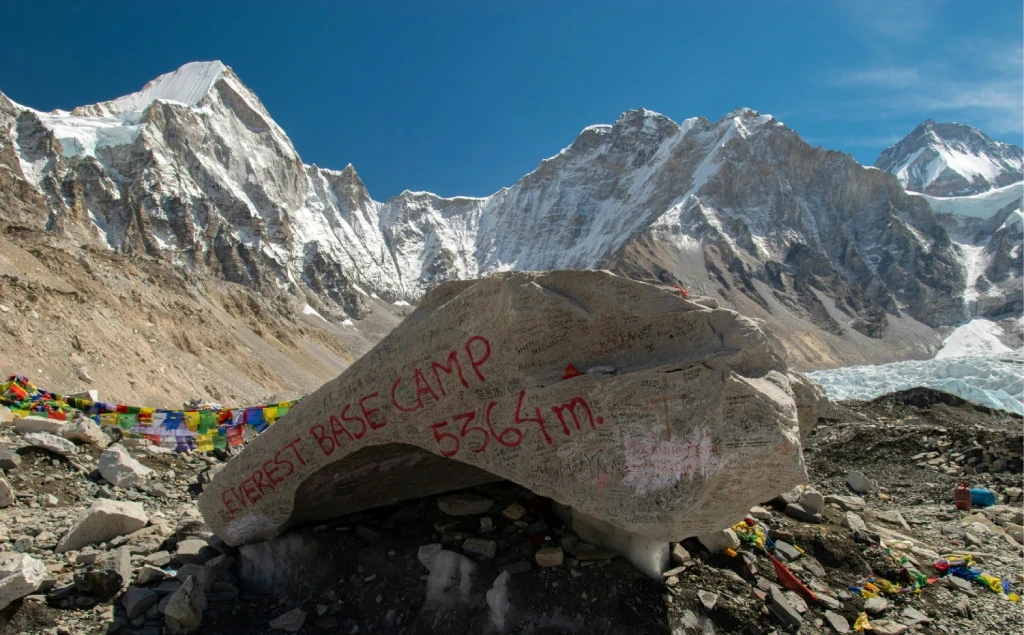
  • High-Altitude Achievement: Stand at the foot of the world's highest mountain at Everest Base Camp (5,364 meters).

  • Acclimatisation Optimised: A perfectly balanced 12-day itinerary designed to help your body adapt safely to the altitude.

  • Duration: 12 Days

  • Difficulty Level: Strenuous

  • Max. Altitude: 5,555 m | 18,225 ft

  • Trip Start and End: Kathmandu - Everest Base Camp - Kathmandu

  • Trip Area: Khumbu Region

  • Best Season: Autumn & Spring

This is our specialised 12-day Everest Base Camp trek—the most seamless way to reach the roof of the world with your daily comforts fully taken care of. Every trekker travels with a government-licensed, high-altitude trained guide. All necessary trekking permits and local taxes are fully covered.

Unlike standard budget packages, all your meals on the trail are completely included, letting you focus entirely on the journey without worrying about daily out-of-pocket food costs. What you save on are single supplements, luxury lodge upgrades, and optional add-ons—the core, awe-inspiring Khumbu experience remains unchanged. If you want the true raw beauty of the mountains paired with hassle-free dining, this is your trek.

Everest Base Camp Trekking Distance

This journey covers roughly 130 km round trip (65 km each way) completed over 12 days. Two full days are strictly set aside for proper acclimatisation to ensure you safely adjust to the altitude. The itinerary is meticulously planned for both safety and physical comfort.

How Difficult Is The Trek?

The Everest Base Camp trekking package is moderately challenging. If you can comfortably walk 5 to 6 hours a day with a light daypack (about 5–7 kg), you are fully capable of completing this trek.

Previous technical trekking experience is not required, as the trail is well-trodden. The main challenge is adjusting to the altitude rather than navigating the terrain itself. We highly recommend physical preparation—such as hiking, swimming, or stair climbing—in the weeks leading up to your trip to maximise your enjoyment on the trail.

Accommodations & Meals

  • Stay: This trek includes clean, safe, and friendly local teahouses/lodges on a twin-sharing basis. Bathrooms are typically shared. It is authentic, warm, and deeply rewarding.

  • Food: Full board meals (Breakfast, Lunch, and Dinner) are included for every day spent on the trekking trail, featuring a mix of local nutritious dishes (like Dal Bhat) and standard international options.

Itinerary

Show Detail ItineraryClose Detail Itinerary

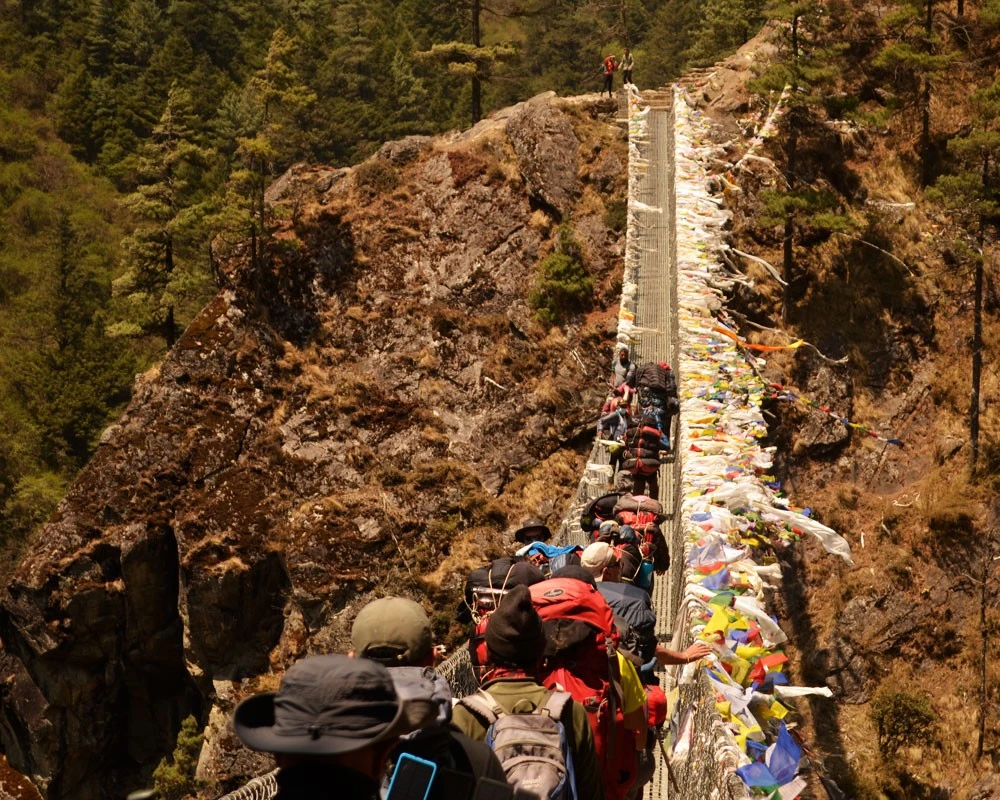
Your adventure begins early in the morning. Depending on airline scheduling and the season, you will take a short, scenic flight to Lukla either directly from Kathmandu or via the nearby Manthali Airport. The flight offers sweeping, unforgettable aerial views of the snow-capped Himalayas. Upon landing at Lukla’s dramatic airstrip, you will meet your local trekking team and hit the trail. The trek kicks off with a gentle, mostly downhill hike through traditional Sherpa farmlands, passing beautifully carved mani walls, chortens, and vibrant prayer flags. By afternoon, you will cross the suspension bridge over the Dudh Koshi River to reach the peaceful village of Phakding for your first night in a mountain lodge.

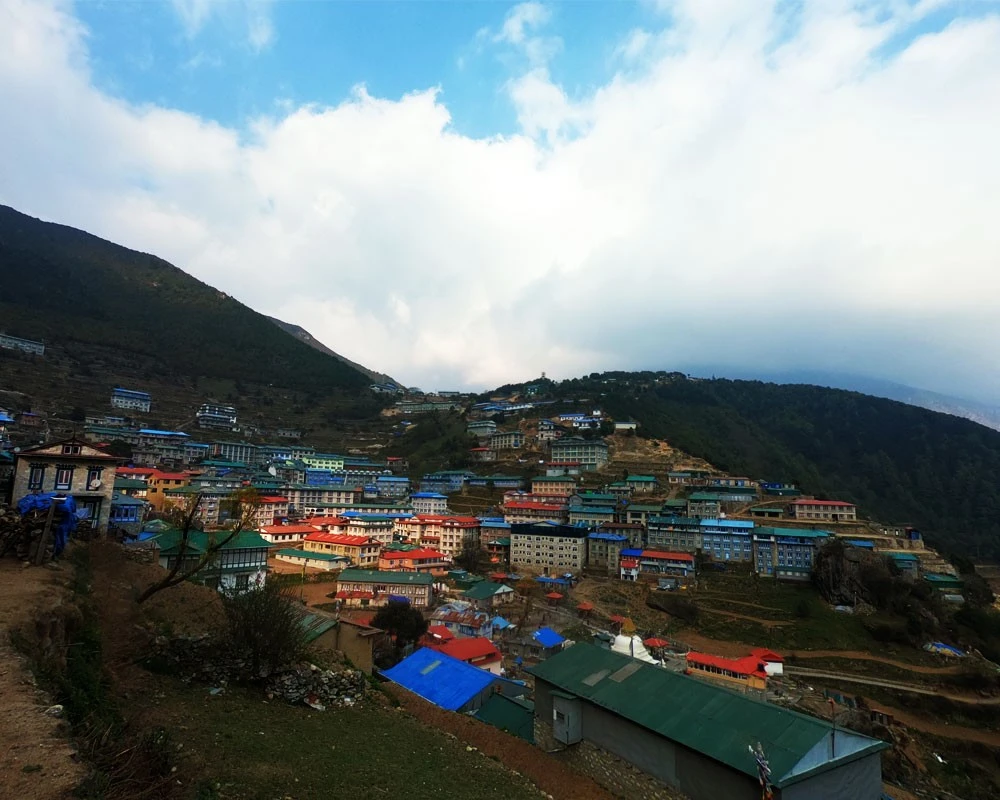
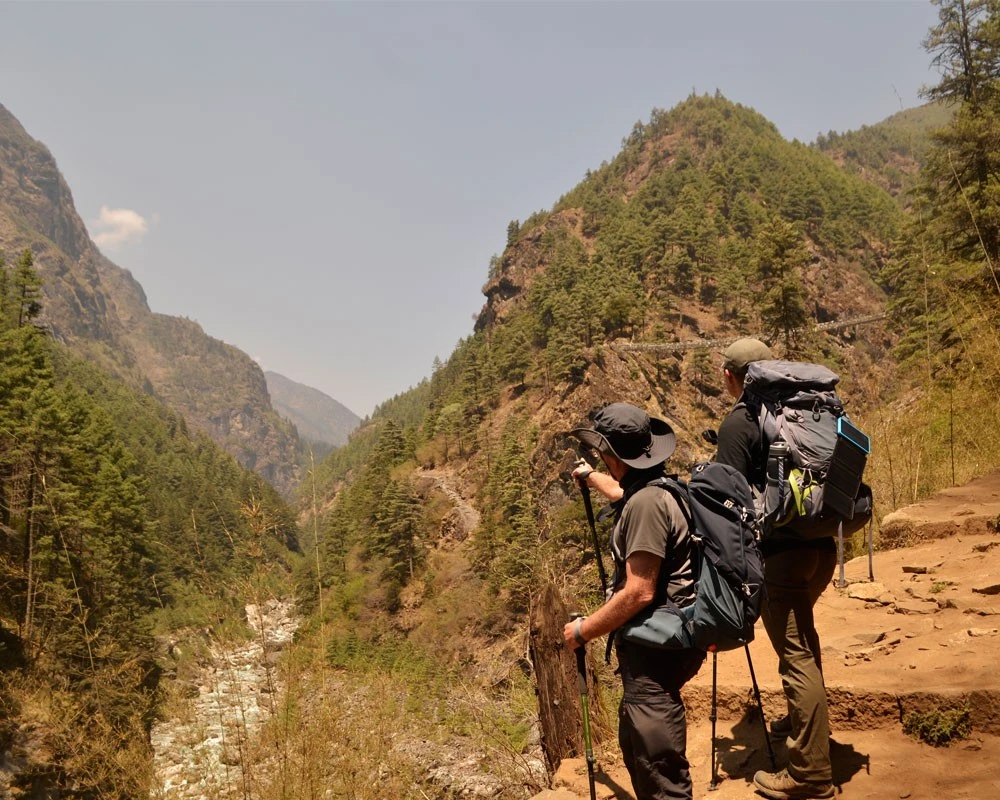
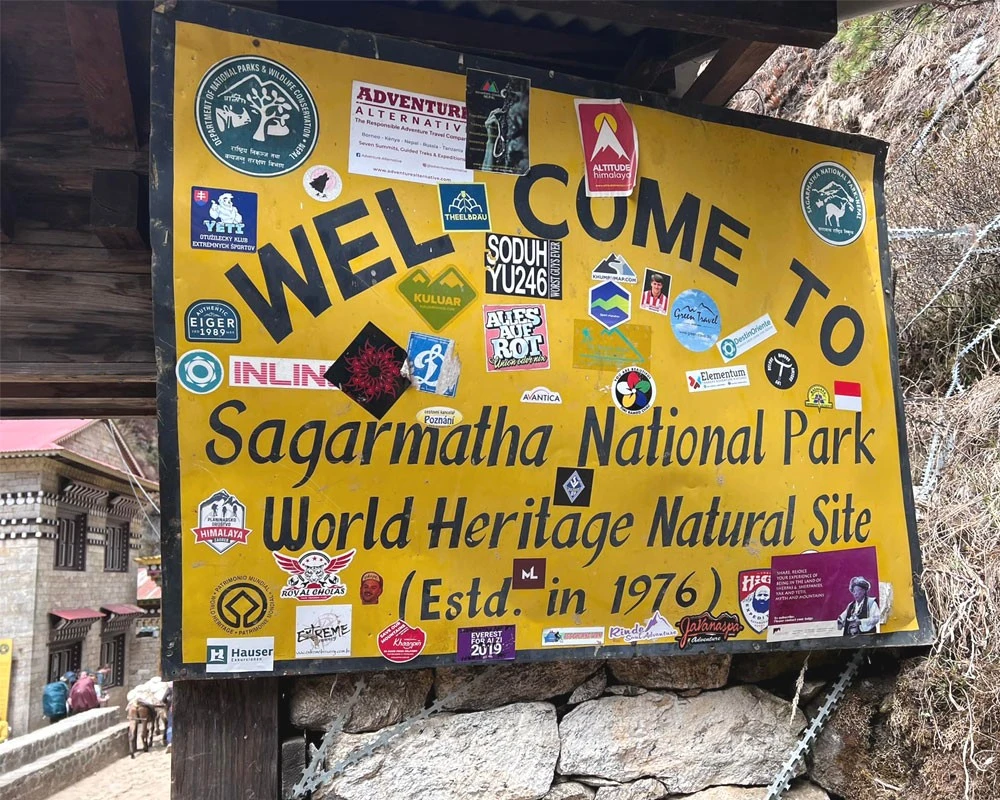
After a hearty breakfast, you will follow the trail along the banks of the Dudh Koshi River, crossing several high, thrilling suspension bridges—including the famous Hillary Suspension Bridge. You will officially enter the Sagarmatha National Park at Monjo, where your permits are registered. From here, the trail challenges you with a steep, sustained climb through pine forests. Halfway up, if the weather permits, you will catch your very first glimpse of Mount Everest. The climb brings you to Namche Bazaar, the bustling historical capital of the Khumbu region, tucked into a horseshoe-shaped mountain amphitheatre.

To allow your body to adapt safely to the sudden gain in altitude, this day is strictly dedicated to acclimatisation. Following the classic mountain rule of "climb high, sleep low," your guide will lead you on a scenic morning hike up to the Everest View Hotel. Here, you can sit back and enjoy panoramic views of Everest, Lhotse, Ama Dablam, and Thamserku. Afterwards, you will descend back into Namche Bazaar. You have the afternoon free to explore local bakeries, cafes, shops, and the Sherpa culture museum.

The day starts with a relatively flat, winding trail that offers breathtaking, uninterrupted views of the Everest massif. Keep an eye out for local wildlife like Himalayan Thars and colourful Danphe pheasants. The trail then drops sharply down to Phunki Thenga by the river for lunch, before facing a steady, challenging afternoon climb through rhododendron and pine forests. Your efforts are rewarded when you reach Tengboche, home to the largest and most famous Buddhist monastery in the Khumbu region. The backdrop of Ama Dablam framing the monastery is widely considered one of the most beautiful sights in the world.

You will start your morning descending through lush forests before crossing an iron bridge over the Imja Khola. From here, the landscape undergoes a dramatic shift, transitioning from green woodlands to a stark, alpine, semi-desert environment as you climb past 4,000 meters. You will pass through the traditional village of Pangboche, taking in up-close views of Ama Dablam. A gradual, windy uphill climb brings you to the summer settlement of Dingboche, a village beautifully terraced with stone walls built to protect local crops from the harsh alpine winds.

This is your second crucial acclimatisation day. To prepare your lungs for the thin air ahead, you will take an active acclimatisation hike up the ridge of Nagarjun Hill (Nangkartshang Peak). The steep climb is physically demanding, but it treats you to spectacular views of Makalu, Lhotse, Chalolatse, and the sweeping Imja Valley. After spending a short time at the high vantage point to adjust, you will descend back down to Dingboche for lunch and a well-deserved afternoon of rest.

The trail climbs gently through a wide, open glacial valley toward Thukla (Dughla), where you will pause for a hot lunch. Following lunch, you face the short but steep "Thukla Pass" climb. At the top of the pass, you will walk through the moving emotional memorial site dedicated to the climbers and Sherpas who lost their lives on Everest expeditions. Moving forward, the trail follows the lateral moraine of the massive Khumbu Glacier. The air is visibly thinner here, requiring a slow, steady pace as you arrive at the small settlement of Lobuche.

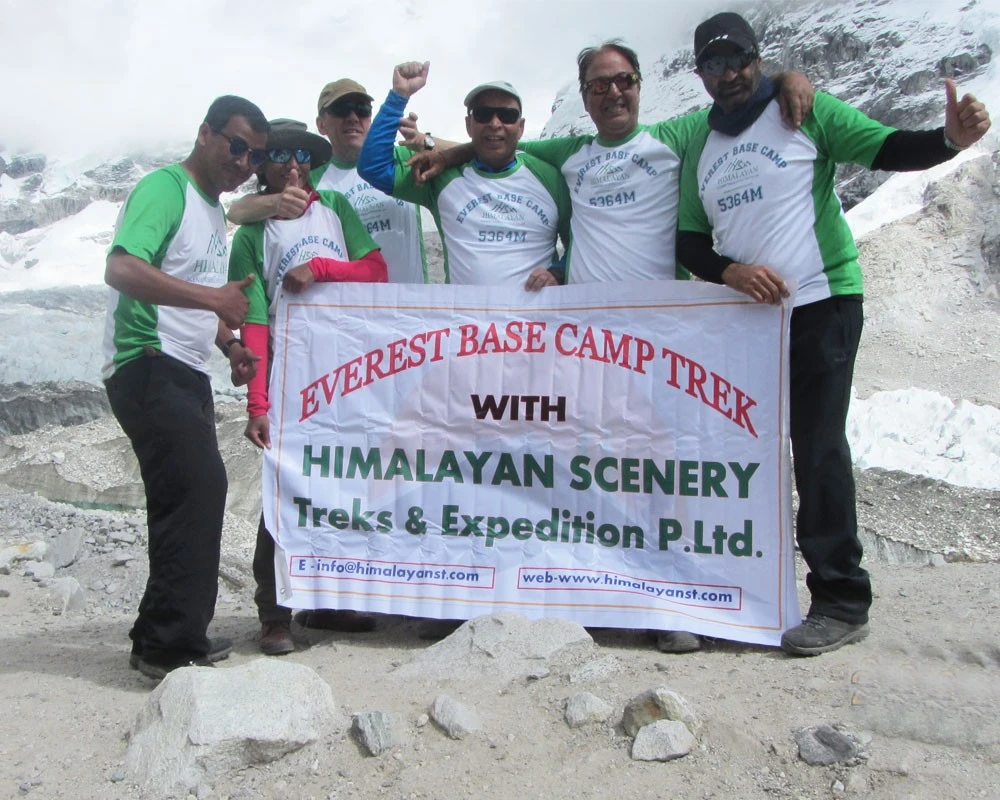
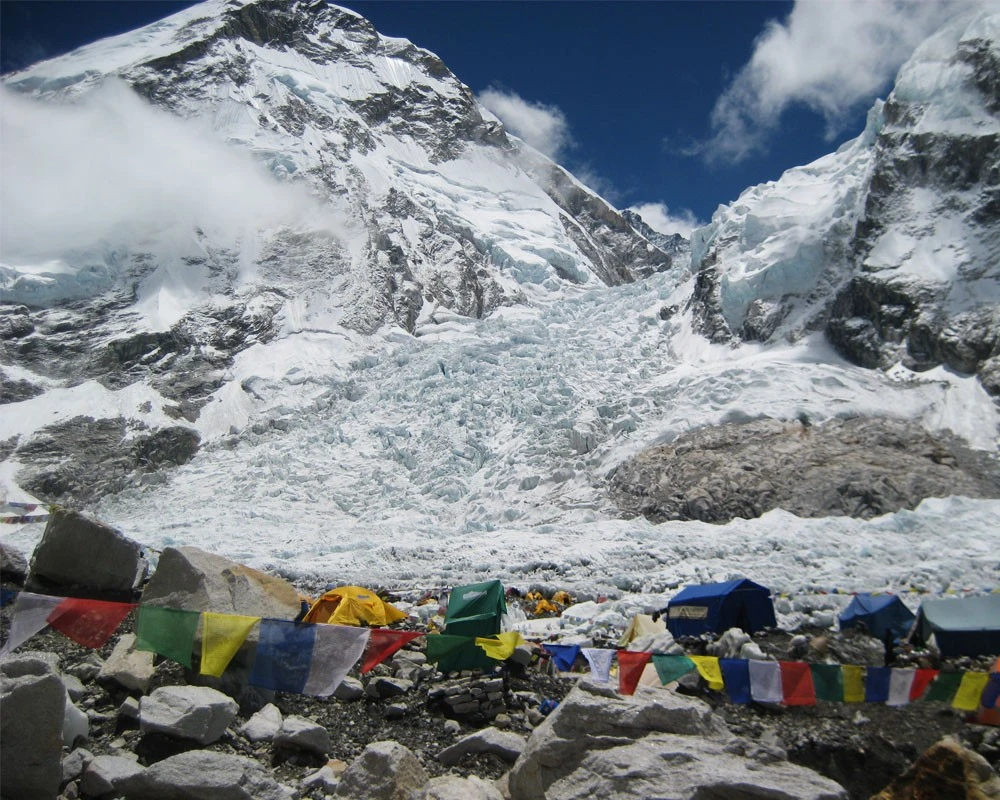
The big day has arrived. You will start early, trekking along the rocky moraine of the Khumbu Glacier for about three hours until you reach Gorakshep, the highest outpost on the route. After a quick lunch and leaving your heavy bags behind, you will embark on the final, rocky push to Everest Base Camp. Walking alongside the roaring Khumbu Icefall, you will reach the iconic Base Camp marker at 5,364 meters. Celebrate your achievement, take unforgettable photos, and soak in the legendary atmosphere before retracing your steps across the rocky terrain back to Gorakshep for dinner and a celebratory night's rest.

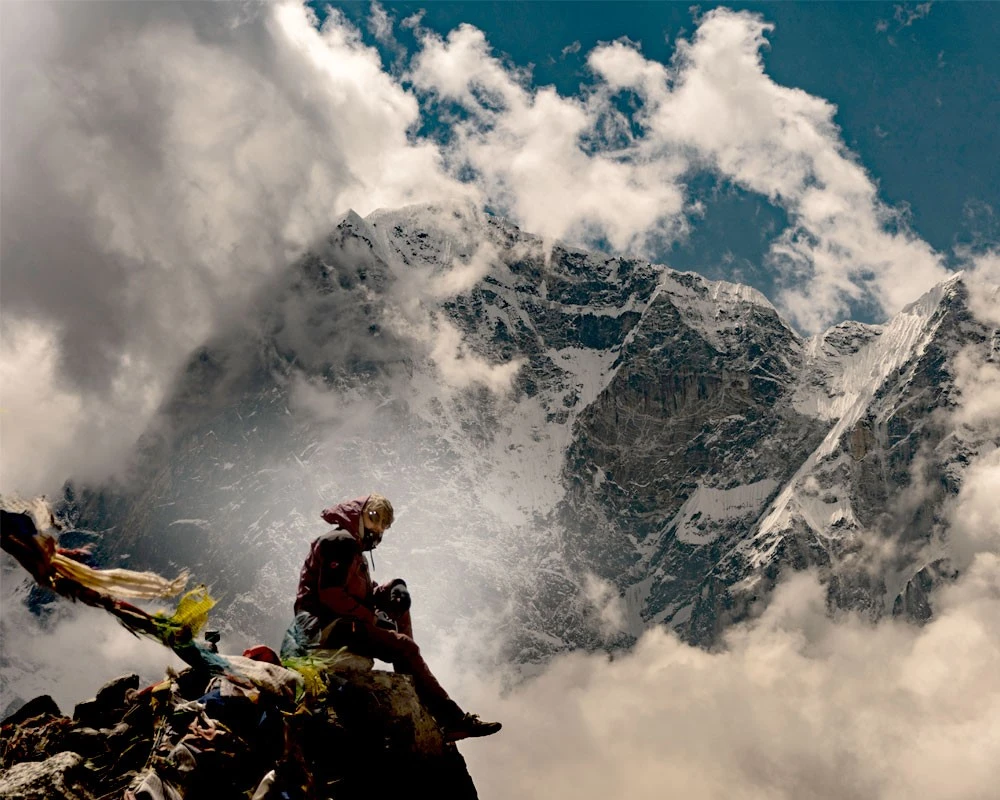
Before dawn, you will bundle up and begin a steep, freezing climb up Kala Patthar, the highest point of the entire trek. Reaching the summit just as the sun climbs over the mountains reveals the ultimate prize: the most commanding, panoramic view of Mount Everest’s entire face, alongside Nuptse and Pumori. After absorbing the view, you will slide back down to Gorakshep for a hot breakfast. Packing your gear, you will begin a long, steady descent down the valley, passing through Thukla and dropping into the lower, oxygen-rich air of Pheriche for the night.

The return journey is a massive relief for your lungs as you rapidly lose altitude. You will cross the Imja Khola, trek back through the rhododendron forests of Tengboche, and drop down to the riverbank before climbing back up the opposite side of the valley wall. The trail winds its way back along the high cliffside paths, delivering you right back into the familiar comforts and lively markets of Namche Bazaar.

On your final full day on the trail, you will make the long, steep descent down the Namche hill back to the Hillary Suspension Bridge. Following the Dudh Koshi River valley downward, you will exit the Sagarmatha National Park at Monjo and pass through several rural villages before making a final, short uphill push to Lukla. Tonight, celebrate the completion of your EBC adventure with your guide, assistants, and trekking companions.

After an early morning breakfast at your Lukla lodge, you will head to the airport and board your return flight back to Kathmandu (or to Manthali, followed by a shared ground transfer to Kathmandu, depending on seasonal flight regulations). As the plane pulls away from the mountains, enjoy one final view of the Himalayas from above before arriving back in the city to conclude your unforgettable 12-day journey.

Not satisfied with this regular itinerary?

Are you thinking to plan your custom trip now.

Cost Details

Included

  • Licensed Trekking Guide: Government-licensed with high-altitude risk management training.

  • All Trail Meals: Full board daily breakfast, lunch, and dinner.

  • Accommodations: Twin-sharing lodging in local teahouses.

  • Ground Transportation: All required shared tourist vehicle transfers.

  • Assistant Guide: Included for groups of 10 or more.

  • Permits & Fees: Sagarmatha National Park entry, TIMS card, and $30 USD local government tax.

  • Safety Gear: First aid medical kit and high-altitude oximeter.

  • Staff Welfare: Accident insurance for all local guides and crew.

  • Trip Extras: Trekking map and official achievement certificate.

  • Emergency Support: Helicopter rescue and evacuation coordination.

Excluded

  • Domestic Flights: Kathmandu–Lukla–Kathmandu or Manthali–Lukla–Manthali flight ticket (US$500 per person).

  • Insurance: Travel and medical insurance (compulsory high-altitude medical evacuation coverage).

  • Visa: Nepal entry visa fees.

  • Trekking Gear: Personal equipment (sleeping bags, down jackets).

  • Porters: Personal luggage porters.

  • Personal Expenses: Hot showers, Wi-Fi, battery charging, alcoholic beverages, and bottled water on the trail.

  • Tips: Gratuities for trekking guides, assistants, and drivers.

Departure Dates

Showing Dates
Start: ThursdayOct 01, 2026
End: MondayOct 12, 2026
Price US $799Status: Available
Start: MondayOct 19, 2026
End: FridayOct 30, 2026
Price US $799Status: Available

Useful Info

Exclusive DBS Deal Eligibility & Verification

To maintain the integrity of our corporate partnership, these highly discounted rates are strictly regulated. Please review the following eligibility requirements before booking:

  • Who is Eligible: The exclusive discounts apply directly to all active DBS Bank Staff members.

  • Family & Friends Extension: DBS employees are welcome to bring along immediate family members and external friends under the same discounted booking slate, provided the booking is made under the employee's name.

  • Mandatory Verification: To activate and validate the corporate rate, the organising DBS employee must upload or present a clear copy of their official DBS Staff Pass / Employee ID during the booking process (through email).

Special Terms & Conditions for DBS Bookings

By booking through this exclusive corporate partnership channel, you agree to the following promotional terms:

1. Deposit & Payment Structure

  • 50% Commitment Deposit: To lock in your exclusive corporate rates, secure hotel allocations, and guarantee flight/permits blocks (such as Lukla sectors or Bhutan entry visas), a non-refundable deposit of 50% of the total trip cost is required at the time of booking.

  • Balance Payment: The remaining 50% balance must be settled at least 30 days prior to your trip departure date, or upon arrival in Kathmandu (depending on your specific itinerary terms).

2. Cancellation & Amendments

  • Because corporate allocations are highly prioritised, cancellations made within 45 days of departure may incur partial cancellation fees based on non-recoverable permit and domestic airline costs.

  • Date changes and itinerary modifications are permitted up to 30 days before departure, subject to availability and airline modification fees.

3. Travel Insurance

  • All participants—including DBS staff, family, and friends—must possess comprehensive travel insurance. For trekking itineraries, your policy must explicitly cover high-altitude trekking up to 6,000 meters and emergency helicopter evacuation.

How to Claim Your Corporate Deal

  1. Select Your Adventure: Browse our upcoming exclusive packages listed.

  2. Submit an Inquiry: Click on "Book Now" or "Inquire" and use your official DBS corporate email address if possible.

  3. Secure Your Slot: Pay the 50% deposit via our secure credit card payment gateway to lock in your seasonal rate.

  4. Upload Verification: Send a photo or scan of your DBS Staff Pass to the email: [email protected].

FAQs

  • Q1. Is it safe to carry electronic devices like cellphone, camera or so on?

    Yes, you can bring along your electronic devices with you. However, not all devices can survive the extreme change in temperature and pressure. Digital Cameras are free of danger. If you have a laptop, make sure it is well-packed and shielded.

  • The major health issue that can occur is altitude sickness. To avoid this problem, you have to drink lots of water. You should carry an effective medicine called Diamox and have it immediately after the attack. We will provide the guides and helpers who are experienced and trained to take different kinds of precautions and safety measures in this kind of situation. If your condition becomes severe, you will be taken 300m downward from your current position. From there, you can trek again in substitute time according to the rate of your body recovery.

  • There are a few internet cafes in Lukla, Namache and a few villages up to Gorak Shep. They are affordable but not completely reliable. You can connect with yours relatives through satellite phones. Some tea house offer satellite or wired phone service. Just point the device mostly east. It is an easy and inexpensive way to letting those back home know where you are and you are ok.

    Mobile phone service is available with a Nepal Cell phone company SIM card. They work perfectly well even outside the cities. However, as you go higher, you will lose the strength of the network or have no network at all.

  • Everest base camp trek difficulty is moderate to tough. The trail has lots of ascents and descents through rough, steep paths. You go above 5,500 meters and travel in a very remote area.

  • Yes, a beginner can do Everest base camp trekking. You have to be well prepared for the trek. Build walking habits and work on your stamina. Papackul all the essentials and meet us on a given date in Kathmandu. We'll take care of everything else in Nepal.

  • Usually, the Everest base camp cost begins at USD 1400 and goes above your itinerary and services. You need additional money for international flights, tipping, travel insurance, visa, personal expenses, and emergency funds.

  • From Lukla, you'll reach Everest base camp after eight days of walking. The Everest base camp itinerary is usually 14 days or 15 days. You can add a side trip to Gokyo Lakes or one of the high passes if you have time to trek more.

  • Yes, the Everest base camp trek is safe. You trek with an experienced guide and porter. In case of any emergency, they will help you and take care of you. While our professional team arranges all the things for your journey in Nepal, so you'll have a safe trip overall.

  • Yes, you can take a helicopter to the Everest base camp. However, landing a helicopter at EBC can be difficult because of inadequate space. If you are on a helicopter tour, you land at Kala Patthar, which offers better views.

  • Yes, Everest base camp trekking is 100% worth it. You get all the time to unwind and immerse yourself in the Himalayas. The views are sensational and worth all the long, tough walk for more than 10 days. You get to learn about the Himalayas and the natives.

  • Yes, the teahouses have charging plug points. Most of these plugs are powered by solar and are pretty useless during cloudy days. Charging your electronic devices will cost you some money, especially at higher elevations. Carry along spare batteries for your camera. There is a lack of constant electrical supply in Nepal. You may not always get to charge your devices during the power cut time.

  • Walking to Everest Base Camp is not that hard if you are physically fit and have trained well. However, the altitude up to 5,644 meters (18517ft.) can get you mountain sickness and other health issues. But the trained people do not feel quite hard trekking to Everest Base Camp as there are plenty of spaces for resting and having talks with fellow travelers.

  • The standard hike to Everest Base Camp takes 12 days to complete. It will start from Kathmandu, where you will be hiking for continuous 8 days till Everest Base Camp. Then it will take exactly 4 days to get down to Lukla and fly to Kathmandu.

  • Usually, the cost of Everest Base Camp Trek ranges from $1400 reaching up to even $3000. This expensiveness depends upon the package you choose and your own extra expenses. The tour operator generally will charge you $1400-$2000.

  • As EBC is not the most difficult trek in the world, obviously, beginners can do it. But make sure you get trained both physically and mentally before starting the journey.

  • You actually do not climb to Everest Base Camp; you walk. Yes, the normal person can simply trek to Everest Base Camp with proper training and physical fitness. You will trail along the hills first and then the mountain paths all along.

  • A healthy individual aging from 10 years to 70 years with good physical and mental fitness can involve in the EBC trek.

  • Everest Base Camp sits about 200-300 km from Kathmandu. A plane ride to Lukla takes roughly 35-40 minutes. From Lukla, it's a 65 km trek to EBC, requiring around 7-8 hours of walking each day.

  • Yes, you can sleep at Everest Base Camp during the expedition time only. But the package itineraries will have accommodations in Gorakshep. You will have to pay separately to sleep in the base camp. The Everest Base Camp location usually keeps on changing every year due to weather and climate change issues. But it is completely safe to sleep in a tent there.

  • For foreigners in Nepal, Passport and ID photos are required to get permits and other documentation for Everest Base Camp Trek. For Nepali, their citizenship and ID photos will work fine.

  • No, you cannot solo trek to Everest Base Camp. Since 2023, the Nepal Government doesn't allow solo treks to EBC, so you'll need to join a group or hire a guide.

    Many trekkers often experience altitude sickness and need evacuation. Plus, it's easy to lose your way if you wander off the main trail. So, getting a guide or joining a group is the best option.
     

  • Yes, the Everest Base Camp is crowded in the peak seasons (Spring and Autumn). Every season, 30,000 to 40,000 adventurers take on this journey. In the busiest times, up to 500 trekkers start their journey daily.

  • If you often hit the gym, swim, run, or train physically, you're well-fit for the Everest Base Camp Trek. But if you're not active, you should walk 4 to 7 kilometers every day at least for 3 months before starting the trek.

  • From either Salleri or Lukla, 95% of trekkers successfully reach Everest Base Camp. The trek to Everest Base Camp takes anywhere from 12 to 15 days to finish.

  • On the trek, porters can carry up to 15kg (33 lbs) of your main pack. Just be careful not to overbuy in Namche. It's a good idea to have an extra bag to leave gear in Kathmandu that you won't need for the trek. Typically, the plane also allows luggage up to 15kg (33 lbs).

  • The Everest Base Camp trek is generally safe and enjoyable, even with the risks of high-altitude sickness or unexpected natural events. Regardless of potential altitude challenges, the trek suits all travelers, depending on the time they can set aside for rest and acclimatization.

  • Yes, you can exchange your money in Namche Bazaar. There are money exchange companies like Western Union and IME are available. Even there are few banks in Lukla and Namche Bazaar that do the money exchange. But the exchange rate is so low in those places. So, it is better to exchange the currencies in Kathmandu.

  • Yes, you can use card payment in Everest Region up to Namche only. The more you elevate the hotels usually prefer cash payments. So, it is more advisable to use cash.

  • Yes, Lukla's flight is completely safe. There are twin-otter airplanes to Lukla. However, the Lukla Airport runway being so short, is considered to be the most dangerous airport in the world.

  • The Lukla flight limits you to carry a weight of up to 15 kg (33 lbs.). This weight is divided into 10kg of luggage and 5 kg of hand carry.

  • Yes, you can smoke as well as drink on the trek. But it is not advisable for your health as you cannot safely elevate to higher altitudes by drinking and smoking.

  • Yes, you can hire a guide as well as a porter in Lukla. Usually, the porters are only hired in Lukla. However, we recommend you to hire a guide from your tour operator in Kathmandu.

  • Yes, the helicopter can take you back to Lukla. This is usually chosen by trekkers because the return route on the trek is the same as the elevation.

  • There are 3-start up to 5-star hotels up to Everest View Hotel in the Everest trek. However, at higher altitudes, there are fewer hotels. In peak seasons, there are tents made available by the hotels in case rooms are not vacant. However, you can also get sharing rooms at higher altitudes.

  • You can see the first view of Everest during the EBC trek on the second day of your trek. This is when you hike towards Namche from Phakding. There is a resting point in the middle. From there you can visualize Everest for the first time during the trek.

  • Yes, there are hot showers available in the EBC. You need to pay an extra charge to the hotels to take hot showers.

  • Usually, you don't need an oxygen cylinder for the EBC trek. But when your oxygen level is so low, then in that case only, oxygen is made available for you. Actually, the oxygen cylinders are for the Everest Climbers.

Send Inquiry